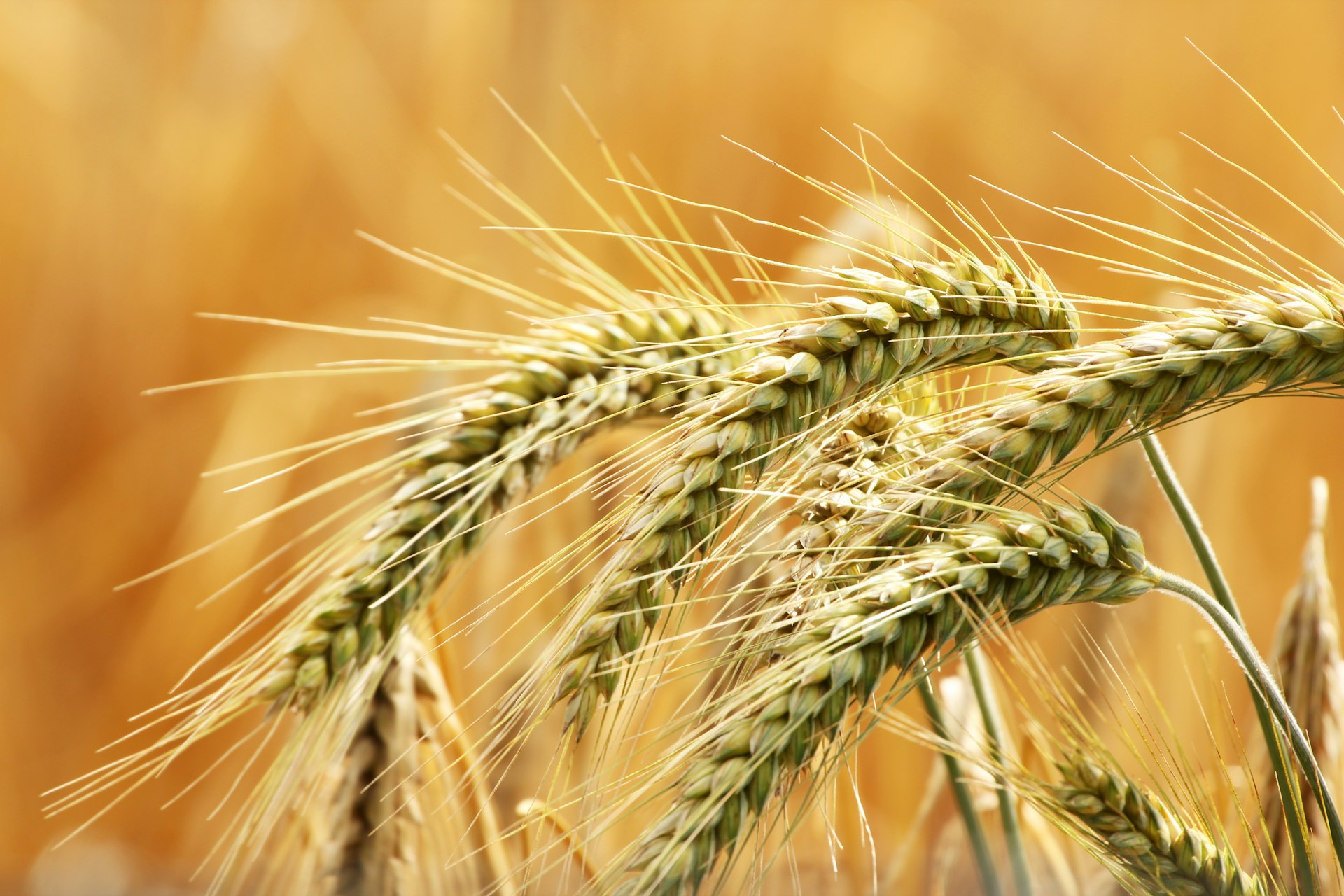
In the rapidly expanding global green superfoods, functional beverage, and nutraceutical markets, Wholesale Organic Barley Grass Powder (Hordeum vulgare) represents a cornerstone raw ingredient. Harvested at the peak of its vegetative growth phase before the grain develops, young barley grass leaf powder offers an exceptional density of chlorophyll, bioavailable minerals, active enzymes such as superoxide dismutase (SOD), and natural dietary fiber. It serves as a vital component for supplement manufacturers, green blend formulators, private-label wellness brands, and food processors.
However, commercial procurement managers and technical quality control teams face distinct challenges when sourcing bulk barley grass powder: maintaining heat-sensitive enzyme activity during drying, controlling total micro counts without harsh irradiation, avoiding gluten cross-contamination from mature grain heads, and ensuring vibrant green color retention across international shipping routes.
This technical buyer’s guide delivers an exhaustive analysis of wholesale organic barley grass powder procurement—evaluating agricultural harvesting timelines, low-temperature dehydration mechanics, biochemical antioxidant profiles, COA auditing criteria, and commercial formulation applications.
1. Agricultural Sourcing & Harvesting Mechanics: The Vegetative Peak
The ultimate nutritional value, vibrant emerald color, and enzyme activity of organic barley grass powder are determined long before final milling—starting with seed purity, soil mineral richness, and precise harvest timing.
                    [ Organic Hordeum Vulgare Sowing ]
                                    │
                                    ▼
                [ Vegetative Jointing Stage Growth (15–25cm) ]
                • Peak chlorophyll & enzyme synthesis
                • Zero gluten formation (Pre-grain development)
                                    │
                                    ▼
                [ Rapid Low-Temperature Mechanical Harvest ]
                                    │
                                    ▼
       ┌────────────────────────────┴────────────────────────────┐
       ▼                                                         ▼
[ Low-Temp Air / Spray Dehydration (<40°C) ]              [ High-Heat Industrial Drying ]
• Preserves live Superoxide Dismutase (SOD)               • Thermal destruction of heat-sensitive enzymes
• Retains high chlorophyll & active vitamins              • Darkens color & degrades delicate antioxidants
The Biological Importance of the Jointing Stage
To qualify as premium cereal grass powder, the young barley blades must be harvested specifically at the jointing stage—when the young shoot reaches approximately 15 to 25 centimeters in height.
-
Pre-Grain Gluten-Free State: At this early stage of growth, the plant devotes all its biochemical energy toward leafy cellular development. The grain head has not yet formed, rendering pure young barley leaf tissue naturally gluten-free.
-
Peak Enzymatic Density: During the jointing phase, cellular concentration of metabolic enzymes like superoxide dismutase (SOD), cytochrome oxidase, and peroxidase reaches its maximum biological peak.
-
Rapid Dehydration Requirement: Once cut, young cereal grass undergoes rapid enzymatic oxidation. To prevent nutrient loss, harvested grass must be transported to climate-controlled dehydration facilities within hours of cutting.
2. Low-Temperature Dehydration Mechanics: Air-Drying vs. Freeze-Drying
Transforming fresh barley grass blades into a shelf-stable 80–120 mesh powder requires gentle water removal that preserves fragile bioactive molecules.
| Processing Parameter | Low-Temperature Dehydration / Spray-Drying | High-Heat Commercial Kiln Drying |
| Drying Temperature | Low Thermal Range ($<40^\circ\text{C} – 45^\circ\text{C}$) | High Industrial Heat ($>80^\circ\text{C}$) |
| SOD Enzyme Activity Retention | High ($\ge 85\% – 95\%$ preserved) | Denatured / Destroyed ($<10\%$) |
| Chlorophyll Density | Retains vibrant, bright emerald green color | Muted olive-brown or pale green hue |
| Flavor & Organoleptic Profile | Mild, sweet, fresh green grass taste | Bitter, burnt, highly astringent profile |
| Mesh Size & Flowability | Micro-fine 80–120 mesh; high solubility | Coarse particle distribution; poor liquid mixing |
┌────────────────────────────────────────────────────────────────────────┐
│                   MICRONIZATION & FLOWABILITY SPECS                    │
├────────────────────────────────────────────────────────────────────────┤
│ 1. Gentle Air Washing  ➔ Removes field soil & agricultural dust        │
│ 2. Dehydration         ➔ Reduces moisture content strictly below 5.0%   │
│ 3. Jet Milling         ➔ Mills dehydrated leaf into fine 80–120 mesh   │
│ • Key Spec Benefit: Ensures rapid dispersion in powder drinks & blends │
└────────────────────────────────────────────────────────────────────────┘
For B2B buyers, supplement formulators, and brand managers seeking certified organic, low-temperature processed barley grass powder with verified enzyme activity, explore technical specs at Impact Foods Organic Barley Grass Powder Bulk Supply.
For retail lifestyle products, consumer superfood lines, and organic pantry items, inspect the complete catalog at Yin Yang Superfoods.
3. Biochemical Analysis: Chlorophyll, SOD & Mineral Matrix
A detailed Certificate of Analysis (COA) for wholesale organic barley grass powder should verify key active compounds, enzyme activity, and nutrient concentrations:
                  [ Core Chemical Component Analysis ]
                                    │
       ┌────────────────────────────┼────────────────────────────┐
       ▼                            ▼                            ▼
[ Chlorophyll A & B Complex ]   [ Superoxide Dismutase (SOD) ]  [ Bioavailable Alkaline Minerals ]
  Natural plant pigment          Primary enzymatic antioxidant    Calcium, Potassium, Magnesium,
  supporting cellular health     scavenging superoxide radicals   Iron & Essential Trace Minerals
1. Chlorophyll Concentration
Barley grass powder is a dense natural source of chlorophyll (chlorophyll a and b). Structurally similar to human hemoglobin (with magnesium rather than iron as its central atom), chlorophyll supports tissue oxygenation, cellular health, and natural metabolic detoxification pathways.
2. Superoxide Dismutase (SOD) Activity
Superoxide dismutase (SOD) is a crucial enzymatic antioxidant that catalyzes the dismutation of dangerous superoxide radicals ($\text{O}_2^-$) into oxygen and hydrogen peroxide. High-grade, gently processed barley grass powder maintains verified SOD enzyme units per gram, making it a valuable addition to anti-aging and cellular longevity supplement formulas.
3. Bioavailable Alkaline Mineral Matrix
Young barley leaf tissue accumulates abundant alkaline minerals from the soil:
-
Potassium ($\sim 3000-4000\text{mg}/100\text{g}$): Supports cellular fluid balance and nerve impulse transmission.
-
Calcium ($\sim 300-500\text{mg}/100\text{g}$): Contributes to structural bone integrity and enzyme activation.
-
Iron ($\sim 20-30\text{mg}/100\text{g}$): Supports normal hemoglobin formation and oxygen transport throughout the body.
4. Quality Control & Regulatory Verification in Bulk Sourcing
Because cereal grasses are agricultural crops harvested near ground level, managing micro counts, heavy metals, and gluten compliance is vital for international B2B buyers.
                                [ B2B VENDOR AUDIT CHECKLIST ]
                                             │
                          ┌──────────────────┴──────────────────┐
                          ▼                                     ▼
            [ Non-Compliant / High-Heat Biomass ]        [ Certified Organic Bulk Standard ]
            (High moisture >8%, high micro counts, brown)(Moisture ≤5%, SOD active, gluten <20ppm)
                          │                                     │
                          ▼                                     ▼
            • Risk of product recall & rapid clumping      • High formulation dispersion & long stability
            • Loss of active enzymes & heat damage        • Vibrant, bright emerald green color
            • Potential gluten cross-contamination        • 100% pure organic batch origin COA
Essential Quality Parameters
-
Gluten Compliance Testing (ELISA R5 Method): Pure barley grass is naturally gluten-free, but cross-contamination from mature seed heads during harvest must be ruled out. COAs should confirm gluten levels strictly below 20 ppm (or $<5\text{ ppm}$ for ultra-pure claims).
-
Microbiological Safety: Low-temperature air drying must achieve low microbial limits without heat destruction or chemical treatment: Total Viable Count (TVC) $\le 100,000\text{ CFU/g}$, Yeast & Mold $\le 1,000\text{ CFU/g}$, E. coli & Salmonella absent per 25g.
-
Pesticide Multi-Residue Testing: Verifies zero synthetic pesticide, herbicide, or fungicide residues in accordance with EU and UK organic agriculture standards.
5. Commercial Formulation Applications
Organic barley grass powder offers excellent functional versatility across food processing, supplement manufacturing, and beverage sectors:
┌────────────────────────────────────────────────────────────────────────┐
│                   COMMERCIAL FORMULATION MATRIX                        │
├────────────────────────────────────────────────────────────────────────┤
│ 1. Green Superfood Powder Blends: Combine with spirulina, chlorella,  │
│    and wheatgrass for broad-spectrum daily greens formulas.           │
│ 2. Encapsulated Dietary Supplements: Use fine 100-mesh powder for clean │
│    encapsulation without synthetic flowing agents or silica fillers.   │
│ 3. Functional Smoothies & Juices: Adds vibrant natural green color,    │
│    bioavailable minerals, and clean earthy flavor to beverage bases.  │
└────────────────────────────────────────────────────────────────────────┘
To secure consistent commercial supply, batch-tested raw materials, and technical documentation for your processing plant, order directly through Impact Foods Organic Barley Grass Powder B2B Wholesale, and inspect consumer nutrition lines at Yin Yang Superfoods.
Frequently Asked Questions (FAQ)
Is Barley Grass Powder Gluten-Free?
Yes, pure barley grass harvested prior to the jointing stage (before the grain head develops) is naturally gluten-free. However, B2B buyers should always verify third-party ELISA batch testing to confirm gluten levels remain below the regulatory 20 ppm limit.
What Is the Difference Between Barley Grass Powder and Barley Grass Juice Powder?
Barley grass powder is made by drying and milling the whole young grass leaf, preserving all natural dietary fiber. Barley grass juice powder involves pressing the fresh grass to extract liquid juice and discarding insoluble fiber before low-temperature drying, resulting in a higher concentration of water-soluble nutrients and instant solubility.
What Is the Standard Shelf Life of Bulk Organic Barley Grass Powder?
When kept unopened in sealed, light-proof foil bags inside rigid fiber drums under cool, dry warehouse conditions ($<20^\circ\text{C}$ and $<60\%$ relative humidity), high-grade organic barley grass powder maintains its enzyme activity, color, and active nutrients for 24 months.
Streamline Your Bulk Superfood Procurement
Whether you are scaling a commercial green drink formula, developing clean-label encapsulated supplements, or expanding an organic superfood brand, sourcing certified organic, low-temperature processed barley grass powder ensures superior quality, active enzyme retention, and full regulatory compliance.
Ready to partner with an established B2B supply chain? Request product spec sheets, batch COAs, and wholesale quotes directly through Impact Foods Organic Barley Grass Powder B2B Wholesale, and explore consumer nutrition products at Yin Yang Superfoods!