
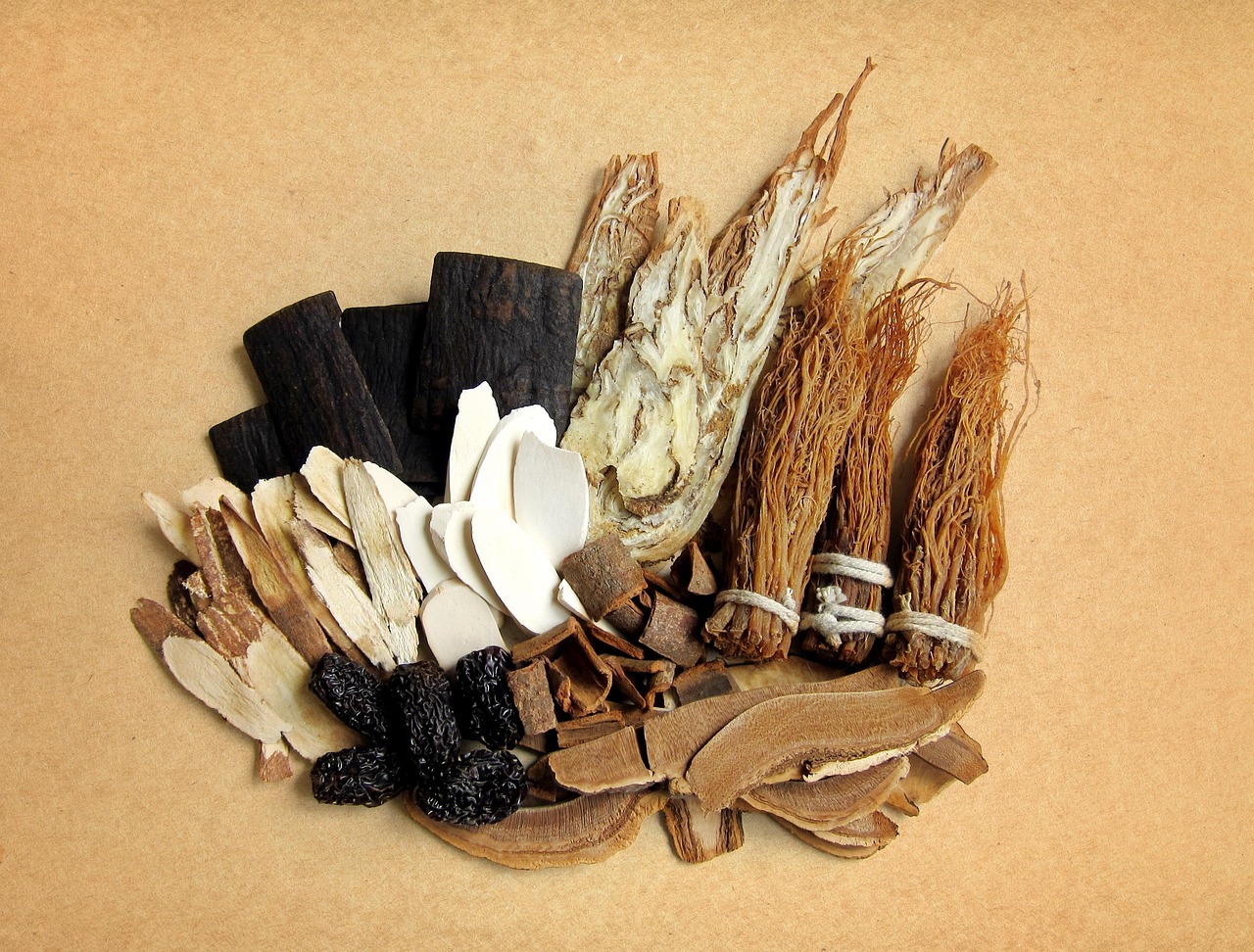
In the rapidly expanding global adaptogenic beverage, cognitive health, functional food, and clean-label dietary supplement sectors, Wholesale Organic Ginseng Powder (Panax ginseng / Panax quinquefolius) represents one of the most foundational, high-value, and commercially resilient botanical raw materials. Harvested from mature, slow-grown roots cultivated in shaded mountain soils, ginseng has been revered for over 5,000 years in traditional Eastern medicine as the ultimate “Lord of Herbs” (Ren Shen).
Today, commercial product formulators, functional beverage manufacturers, sports nutrition brands, and wholesale procurement managers rely on organic ginseng root powder for its dense concentration of unique bioactive triterpene saponins known as ginsenosides.
For B2B buyers and product developers, organic ginseng powder provides an essential adaptogenic base. It seamlessly integrates into functional energy drinks, cognitive focus shots, stress-support capsules, sports recovery formulas, and premium botanical superfood blends.
However, commercial procurement leads and quality assurance managers face distinct technical challenges when sourcing bulk ginseng powder: ensuring multi-year root maturity (minimum 4 to 6 years of growth) to guarantee high ginsenosides density, controlling heat exposure during drying to prevent thermal degradation of active saponins, eliminating heavy metals and soil pesticides, ensuring fine mesh uniformity for smooth liquid suspension, and verifying batch-to-batch analytical purity via HPLC testing.
This technical buyer’s guide delivers an exhaustive analysis of wholesale organic ginseng powder procurement—evaluating root cultivation cycles, low-temperature dehydration mechanics, biochemical ginsenoside profiles, COA auditing criteria, and commercial formulation guidelines.
1. Agricultural Sourcing & Root Maturity: The Quality Benchmark
The biochemical potency, flavor balance, solubility, and shelf life of commercial organic ginseng powder are determined long before root milling—beginning with multi-year agricultural cultivation, harvesting protocols, washing, and gentle dehydration mechanics.
                  [ Organic Panax Ginseng 5-6 Year Root Harvest ]
                  • Grown in nutrient-rich shaded forest or mountain soil
                                       │
                                       ▼
                  [ Gentle Water Washing & Root Skin Inspection ]
                  • Preserves delicate taproot & lateral secondary roots
                                       │
                                       ▼
       ┌───────────────────────────────┴───────────────────────────────┐
       ▼                                                               ▼
[ Low-Temperature Air Drying (<45°C) ]                [ High-Heat Industrial Drying / Chemical Bleaching ]
• Preserves heat-sensitive protopanaxadiol saponins   • Thermally degrades active ginsenoside molecules
• Retains natural golden-tan hue & active enzymes     • Converts roots into dark, burnt, bitter biomass
• Yields free-flowing, high-potency micro-powder      • Causes loss of volatile terpenes & bioactives
The Biological Criticality of Multi-Year Growth & Low-Temp Processing (le 45°C)
Unlike fast-growing annual crops, Panax ginseng requires years of slow growth to accumulate commercial concentrations of bioactive saponins:
-
The 4 to 6-Year Maturity Requirement: Young ginseng roots (1 to 3 years old) contain low levels of active ginsenosides and high amounts of simple starch. True therapeutic adaptogenic density is reached only when roots reach 4 to 6 years of age, allowing secondary root networks to fully synthesize complex ginsenoside profiles.
-
Preserving Volatile Ginsenosides (Rb1, Rg1, Rg3): The primary active constituents in ginseng belong to the dammarane-type triterpene saponin family. Key markers like Ginsenoside Rb1, Rg1, Re, and Rd are heat-sensitive molecules that degrade when exposed to processing temperatures above 45°C. Low-temperature air drying ensures these metabolic catalysts remain biologically active.
-
Micro-Milling & Mesh Standardization: Following low-temperature drying, the whole roots (including main taproots and lateral roots) are micro-milled to an 80-120 mesh particle size. This ultra-fine specification ensures rapid liquid suspension in beverage formulations and uniform extraction kinetics during liquid processing.
2. Chemical Analysis: Ginsenosides & Nutritional Specifications
A comprehensive Certificate of Analysis (COA) for wholesale organic ginseng powder must detail the complete saponin spectrum, total ginsenoside percentage, physical mesh parameters, and purity specifications:
| Chemical / Quality Benchmark | Standard B2B Target Specification | Analytical Testing Method | Primary Biological / Industrial Relevance |
| Total Ginsenosides | ge 3.0% – 8.0% Total Saponins | HPLC-UV / LC-MS Analysis | Core bioactive marker driving adaptogenic & cognitive support |
| Ginsenoside Rb1 & Rg1 Ratio | Standardized Peak Identification | High-Performance Liquid Chromatography | Balanced central nervous system modulation & energy support |
| Crude Protein Concentration | 12.0% – 16.0% (Dry basis, N x 6.25) | Kjeldahl / Dumas Method | Natural nitrogenous fraction providing bioavailable amino acids |
| Moisture Content | 5.0% – 8.0% | Loss on Drying / Karl Fischer | Inhibits microbial growth & preserves powder flowability |
| Total Ash Content | le 6.0% | Furnace Incineration (550°C) | Verifies absence of inorganic soil, sand, or silica contamination |
| Particle Size Distribution | 80 – 120 Mesh (ge 95% pass rate) | Laser Diffraction / Sieve Analysis | Ensures smooth mouthfeel in beverages & rapid dissolution |
┌────────────────────────────────────────────────────────────────────────┐
│                   THE GINSENOSIDE MOLECULAR CLASSIFICATION             │
├────────────────────────────────────────────────────────────────────────┤
│ • Protopanaxadiol (PPD) Group: Includes Rb1, Rb2, Rc, and Rd.          │
│   Primarily exerts calming, neuroprotective, and HPA-axis buffering effects.│
│ • Protopanaxatriol (PPT) Group: Includes Rg1, Re, and Rf.              │
│   Primarily supports mental alertness, physical stamina, and circulation. │
└────────────────────────────────────────────────────────────────────────┘
For food formulators, beverage developers, and commercial procurement directors seeking high-purity, standardized adaptogenic raw materials, review technical specifications at Impact Foods Organic Ginseng Powder Bulk Supply.
For retail lifestyle products, organic consumer superfoods, and health-focused pantry staples, explore the full selection at Yin Yang Superfoods.
3. Biochemical Profile: Saponins & Systemic Health Benefits
Organic ginseng powder holds a premier position in adaptogenic formulations due to its unique ability to modulate human physiological stress pathways and cellular energy production.
                  [ Core Ginseng Bioactive Component Analysis ]
                                       │
       ┌───────────────────────────────┼───────────────────────────────┐
       ▼                               ▼                               ▼
[ Protopanaxadiols (Rb1, Rd) ]   [ Protopanaxatriols (Rg1, Re) ] [ Polysaccharides & Oligopeptides ]
  Buffers HPA-axis stress response  Enhances central nervous system  Supports immune cell activity &
  and promotes systemic calm        alertness & ATP energy output   gut microbiota balance
1. HPA-Axis Modulation & Stress Resilience
As a true adaptogen, ginseng acts upon the Hypothalamic-Pituitary-Adrenal (HPA) axis. Ginsenosides help buffer adrenal gland hypersensitivity during acute or chronic physical and mental stress, regulating serum cortisol output and preventing systemic fatigue.
2. Cognitive Performance & Neuroprotective Support
The Rg1 and Rb1 ginsenosides cross the blood-brain barrier to modulate cholinergic neurotransmission. Clinical research indicates that standardized ginseng intake supports working memory, processing speed, mental clarity, and protection against neuronal oxidative stress.
3. Physical Endurance & Nitric Oxide Generation
Ginsenosides stimulate endothelial nitric oxide synthase (eNOS), increasing nitric oxide production in blood vessels. This promotes vascular relaxation, improves peripheral microcirculation, enhances oxygen delivery to working muscle tissues, and supports physical stamina during athletic exertion.
4. Quality Control & Regulatory Verification in Bulk Procurement
Because ginseng roots mature in mountain soil over several years, commercial procurement teams must enforce strict analytical testing protocols covering heavy metals, pesticides, microbiological safety, and physical purity.
                                [ B2B VENDOR AUDIT CHECKLIST ]
                                             │
                          ┌──────────────────┴──────────────────┐
                          ▼                                     ▼
            [ Non-Compliant / Young Root Biomass ]       [ Certified Organic 5-Year Root Standard ]
            (Low ginsenosides <1%, high heavy metals)    (Ginsenosides ge 5%, 80-120 mesh, pure)
                          │                                     │
                          ▼                                     ▼
            • Weak adaptogenic impact & gritty texture    • High formulation efficacy & rapid solubility
            • Thermal degradation from high-heat drying   • Smooth, golden-tan organoleptic profile
            • Potential pesticide or heavy metal residues • 100% pure organic batch origin COA
Essential Analytical Testing Protocols
-
Heavy Metal Compliance: Lead (Pb le 2.0 mg/kg), Cadmium (Cd le 1.0 mg/kg), Mercury (Hg le 0.1 mg/kg), Arsenic (As le 1.0 mg/kg).
-
Microbiological Control: Total Viable Count (TVC) le 50,000 CFU/g, Yeast & Mold le 500 CFU/g, E. coli & Salmonella absent per 25g.
-
Pesticide Multi-Residue Screen: Confirms 100% compliance with organic farming standards, verifying zero synthetic chemical, pesticide, fungicide, or herbicide residues.
-
Authenticity & Species Verification: High-Performance Thin-Layer Chromatography (HPTLC) testing to verify true Panax ginseng identity and ensure zero adulteration with low-cost fillers or unauthentic root species.
5. Commercial Formulation Applications
Organic ginseng powder offers outstanding technical versatility across functional beverage, nutraceutical, and sports performance product manufacturing:
┌────────────────────────────────────────────────────────────────────────┐
│                   COMMERCIAL FORMULATION MATRIX                        │
├────────────────────────────────────────────────────────────────────────┤
│ 1. Nootropic & Energy Shot Beverages: Blends smoothly into liquid      │
│    formulations alongside matcha, guarana, and B-vitamins.             │
│ 2. Encapsulated Nootropic Supplements: Standardized dosage into hard   │
│    veggie capsules or compressed tablets for daily stress support.     │
│ 3. Adaptogenic Coffee & Cacao Blends: Combines easily with mushroom     │
│    extracts, cacao powder, and maca for functional hot drinks.         │
└────────────────────────────────────────────────────────────────────────┘
To secure consistent commercial supply, batch-tested raw materials, and technical documentation for your processing facility, order directly through Impact Foods Organic Ginseng Powder B2B Wholesale, and inspect consumer nutrition products at Yin Yang Superfoods.
Frequently Asked Questions (FAQ)
What Is the Difference Between White Ginseng Powder and Red Ginseng Powder?
White ginseng powder is produced by air-drying fresh 4 to 6-year-old roots without thermal steaming, preserving the native spectrum of natural ginsenosides in an un-altered state. Red ginseng powder undergoes a high-temperature steaming process before drying, which caramelizes sugars and alters certain ginsenosides (generating elevated Rg3 and Rh2 markers).
What Is the Recommended Standardized Ginsenoside Level for Commercial Formulations?
For premium commercial nutraceuticals and functional drinks, B2B buyers typically look for raw root powder delivering ge 3.0% to 5.0% total ginsenosides by HPLC to guarantee noticeable adaptogenic efficacy in the finished consumer product.
What Is the Standard Storage Protocol and Shelf Life of Bulk Ginseng Powder?
Bulk organic ginseng powder should be stored in light-proof, moisture-barrier craft bags with inner PE liners or heavy-duty fiber drums. Store in climate-controlled warehouse facilities maintained below 20°C and under 60% relative humidity to prevent oxidation of delicate saponins for up to 24 months.
Streamline Your Bulk Superfood Procurement
Whether you are scaling a functional energy beverage line, formulating multi-ingredient adaptogenic supplements, or expanding your retail superfood range, sourcing certified organic, low-temperature processed ginseng powder delivers verified ginsenoside potency, fine solubility, and full regulatory compliance.
Ready to partner with an established B2B supply chain? Request product spec sheets, batch COAs, and wholesale quotes directly through Impact Foods Organic Ginseng Powder B2B Wholesale, and explore consumer nutrition lines at Yin Yang Superfoods!