
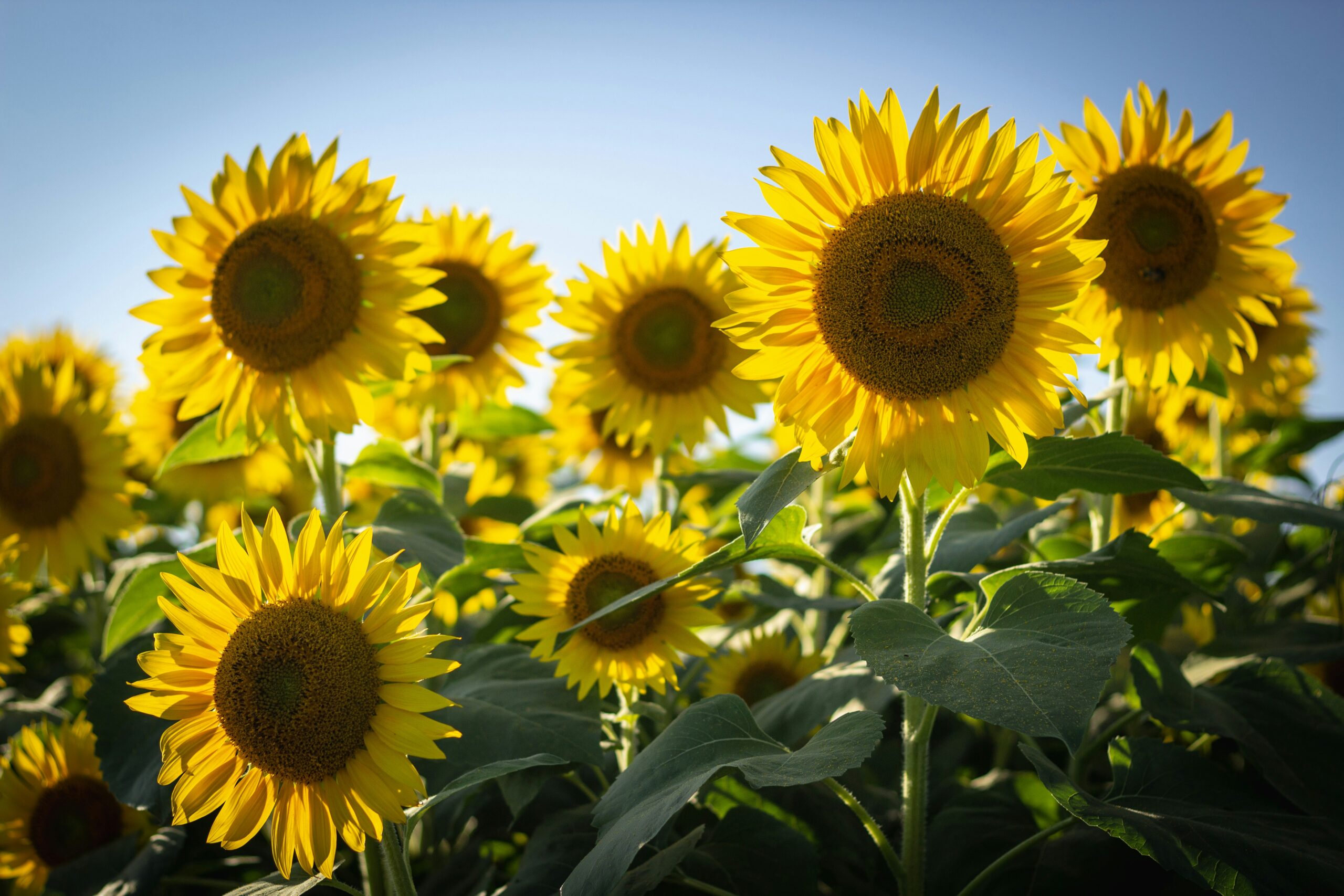
In the rapidly expanding global functional food, sports nutrition, and plant-based beverage sectors, Wholesale Organic Sunflower Seed Protein Powder (Helianthus annuus) has emerged as a premium, highly functional, and commercially resilient ingredient. As food manufacturers, CPG brands, and industrial bakeries strive to meet consumer demand for clean-label, allergen-free, and sustainable protein sources, sunflower seed protein offers a compelling alternative to soy, dairy, and even pea protein.
Derived from organically cultivated, cold-pressed sunflower kernels, this protein powder boasts a complete amino acid profile, significant levels of essential fatty acids, and a neutral, pleasantly nutty flavor profile that integrates seamlessly into diverse applications—from ready-to-drink (RTD) vegan shakes and protein bars to gluten-free bakery mixes and meat analogues.
For B2B procurement managers, product formulators, and contract manufacturers, navigating the supply chain for bulk organic plant proteins requires rigorous vetting. Issues regarding extraction methods (hexane vs. cold-press), heavy metal contamination risks inherent in soil-grown crops, and batch-to-batch organoleptic consistency are paramount.
This definitive industry guide provides an exhaustive analysis of the wholesale organic sunflower seed protein powder market, equipping commercial buyers with the technical knowledge necessary to make informed sourcing decisions.
1. The Commercial Advantage: Why Sunflower Seed Protein?
The market for plant-based proteins is no longer a niche; it is a dominant force in mainstream food and beverage development. While soy historically dominated this space, allergen concerns and GMO scrutiny have driven formulators toward diverse options.
+-----------------------------------------------------------------------+
|                    THE MARKET ADVANTAGE MATRIX                        |
+-----------------------------------------------------------------------+
| Commercial Driver           | Sunflower Seed Protein Attribute        |
+-----------------------------+-----------------------------------------|
| Allergen Status             | Free from top 9 allergens (soy-free,    |
|                             | dairy-free, gluten-free, nut-free)      |
+-----------------------------+-----------------------------------------|
| Clean Label                 | Non-GMO, certified organic, hexane-free |
|                             | processing options available            |
+-----------------------------+-----------------------------------------|
| Organoleptic Profile        | Neutral taste, light cream/tan color,   |
|                             | minimal grittiness                      |
+-----------------------------+-----------------------------------------|
| Nutritional Density         | High in sulfur amino acids (Methionine),|
|                             | Magnesium, and Vitamin E                |
+-----------------------------+-----------------------------------------|
As consumers scrutinize ingredient decks, the ability to declare “Sunflower Protein” rather than “Soy Protein Isolate” often provides a premium positioning and commands a higher price point at retail.
For B2B buyers focused on retail product development, exploring high-quality consumer-facing organic products can offer insight into market trends. You can view examples of finished superfood products utilizing similar high-quality ingredients at Yin Yang Superfoods.
2. Extraction Science: The Critical Difference Between Cold-Press and Solvent Extraction
The functional performance, color, flavor, and nutritional integrity of wholesale organic sunflower seed protein powder are fundamentally determined by the extraction method used to separate the oil from the meal.
A. Traditional Solvent Extraction (Hexane)
Historically, the vegetable oil industry utilized hexane—a petroleum-derived solvent—to maximize oil yield from seeds. While cost-effective for commodity animal feed, this method is prohibited in certified organic processing.
-
Process: Dehulled seeds are flaked and subjected to hexane baths to extract the oil. The remaining defatted meal is then heated to flash off the residual hexane.
-
Commercial Drawbacks: While cheap, this process subjects the protein to high heat, causing denaturation. This results in a darker, often bitter-tasting protein meal with significantly reduced protein solubility and digestibility (PDCAAS).
B. Cold-Press Mechanical Extraction (The Organic Standard)
For food-grade, organic sunflower protein, mechanical cold-pressing is the industry gold standard.
-
Process: Dehulled organic sunflower kernels are fed into an expeller press. Intense mechanical pressure generates friction heat, but premium processors utilize temperature-controlled systems to ensure internal seed temperatures remain generally below 45°C–50°C (120°F–122°F). The oil is expelled, leaving behind a high-protein cake.
-
Commercial Benefits: By avoiding chemical solvents and excessive heat, the native structure of the protein is preserved. This yields a light-colored (creamy white to light tan) powder with excellent solubility, high emulsification properties, and a clean, nutty flavor profile that requires minimal masking agents in finished formulations.
3. Nutritional Profile and Functional Attributes
Wholesale organic sunflower seed protein powder is not merely a filler; it is a nutritional powerhouse that competes favorably with other plant proteins.
A. Amino Acid Composition: The Methionine Advantage
A major challenge in plant-based formulation is achieving a “complete” protein profile (containing adequate amounts of all nine essential amino acids).
-
The Pea Protein Comparison: Pea protein is often limiting in the sulfur-containing amino acids methionine and cysteine.
-
The Sunflower Advantage: Sunflower protein is exceptionally rich in methionine and cysteine, making it an ideal complement to legume proteins (like pea or fava). By blending pea and sunflower proteins, formulators can achieve a nutritional profile comparable to whey without relying on soy.
Furthermore, sunflower protein is high in arginine, histidine, and branched-chain amino acids (BCAAs), supporting its application in sports nutrition.
B. Functional Properties in Formulation
For industrial applications, nutritional value must be matched by functionality.
-
Solubility: Cold-pressed organic sunflower protein typically exhibits excellent nitrogen solubility index (NSI), particularly at neutral to slightly alkaline pH, making it suitable for beverages and dairy alternatives.
-
Water & Oil Holding Capacity: The powder’s ability to bind water and oil is crucial for meat analogues (improving juiciness and texture) and bakery items (improving crumb structure and moisture retention).
-
Emulsification: Due to its inherent polar and non-polar amino acid residues, sunflower protein acts as an effective emulsifier, stabilizing oil-in-water emulsions in salad dressings, sauces, and plant-based milks.
4. Technical Specifications and Quality Assurance (COA Analysis)
When procuring bulk organic sunflower protein, procurement managers must demand a detailed Certificate of Analysis (COA) for every batch. Understanding these specifications is critical for QA/QC.
Sourcing Logistics and Microbiological Safety
As a soil-grown organic crop, raw sunflower seeds carry inherent microbiological risks (Salmonella, E. coli) and potential heavy metal accumulation (Cadmium, Lead).
-
Microbial Intervention: Reputable wholesale suppliers employ validated kill steps post-extraction, such as gentle steam sterilization or UV treatment, to reduce microbial loads without compromising protein functionality. Irradiated ingredients are prohibited in organic certification.
-
Heavy Metal Testing: Ensure the supplier conducts rigorous testing (ICP-MS) for heavy metals, particularly Cadmium, which sunflower plants readily absorb from soil.
For commercial partners requiring absolute transparency in processing standards, sourcing high-purity ingredients from dedicated facilities is essential. Review the specifications for premium bulk ingredients at Impact Foods Sunflower Seed Protein Powder.
5. Applications Across Food and Beverage Sectors
The versatility of organic sunflower protein is driving its adoption across multiple categories.
A. Sports Nutrition and Active Lifestyle
The demand for non-dairy, non-soy protein powders is acute in the sports nutrition market. Sunflower protein provides a clean-tasting, high-methionine option for powdered blends. Its BCAA content supports muscle protein synthesis, and its rapid digestibility profile makes it suitable for pre- or post-workout consumption.
B. Plant-Based Dairy Alternatives
Developing vegan cheese, yogurts, and beverages that mimic the creamy mouthfeel of dairy is a significant challenge.
-
Beverages: Highly soluble grades of sunflower protein can be utilized to create stable, creamy plant-based milks (barista blends) without the distinct beany flavor of soy or the chalkiness of some rice proteins.
-
Fermented Products: The neutral pH and nutrient density of sunflower protein make it an excellent substrate for bacterial cultures in vegan yogurt and cheese alternatives.
C. Meat Analogues and Extrusion
Achieving the fibrous, chewy texture of animal meat requires proteins that denature and realign correctly during high-moisture extrusion (HME). Sunflower protein is increasingly used in binary blends (e.g., with pea or wheat gluten) to optimize the textural properties of plant-based burgers, nuggets, and strips.
D. Bakery and Confectionery
In gluten-free baking, sunflower protein adds structure, aids in browning (Maillard reaction), and increases the overall nutritional density of breads, muffins, and cookies. It is also utilized in high-protein snack bars as a binding agent due to its water-holding capacity.
6. The Organic Supply Chain: Sourcing, Certification, and Sustainability
Navigating the organic supply chain is complex. For B2B buyers, verifying the legitimacy of the organic claim is as important as the nutritional specs.
A. Origin and Cultivation
The primary regions for organic sunflower cultivation suitable for protein extraction include Eastern Europe (Ukraine, Romania, Bulgaria), China, and increasingly, North America and Argentina.
-
Organic Integrity: Sourcing from regions with robust EU or NOP equivalent organic certification programs reduces the risk of fraudulent documentation.
-
Non-GMO Project Verification: While all certified organic crops are non-GMO, many sophisticated CPG brands require supplementary Non-GMO Project Verification for downstream consumer assurance.
B. The Importance of Dehulling
The quality of sunflower protein is heavily dependent on the dehulling process before pressing.
-
Hulls: Sunflower seeds have thick, fibrous hulls (seed coats). If these are not efficiently removed, they end up in the press cake, drastically increasing the crude fiber content and lowering the total protein percentage.
-
Color and Taste: High hull content results in a dark, gritty, bitter protein powder unsuitable for premium food applications. Buyers should verify that their supplier uses advanced optical sorting and mechanical dehulling technology to ensure >98% hull removal.
C. Sustainability Profile
Sunflower is an inherently sustainable crop. It is drought-tolerant compared to water-intensive crops like almonds. Furthermore, the entire sunflower plant is utilized: the oil is used for food/fuel, the dehulled meal for human protein, and the residual hulls can be burned for biomass energy at the processing facility, creating a near-zero-waste system.
7. Conclusion: Future-Proofing Your Protein Portfolio
Wholesale organic sunflower seed protein powder is not merely a substitute ingredient; it is a strategic choice for forward-thinking food and beverage manufacturers. Its combination of clean-label status, superior nutritional profile (specifically the methionine advantage), and exceptional sensory characteristics makes it an indispensable tool for modern product formulation.
As the market continues to evolve, securing a reliable, transparent, and quality-vetted supply chain for organic sunflower protein will provide a significant competitive advantage. By prioritizing cold-pressed extraction, demanding rigorous COA documentation, and understanding the functional nuances of the ingredient, B2B procurement teams can successfully integrate this golden protein into high-performance consumer products.
To discuss your specific formulation needs, request samples, or secure technical documentation for bulk supply of premium organic sunflower seed protein powder, connect with the specialists at Impact Foods.