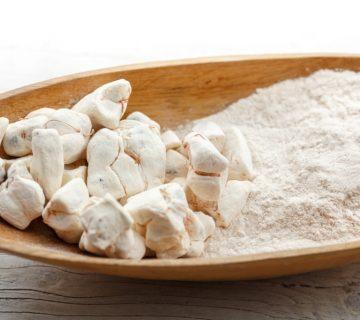

Across the UK and global confectionery, craft chocolate, clean-label bakery, functional food, and natural personal care markets, Wholesale Organic Cacao Butter (also known as theobroma oil or cocoa butter) serves as a core functional lipid. Extracted from fermented, dried, and peeled Theobroma cacao beans, this pale-yellow to cream vegetable fat provides smooth texture, clean melting behavior, and natural oxidative stability.
For UK food and beverage producers, chocolatiers, bakery formulators, and skincare manufacturers, organic cacao butter brings distinct practical advantages. It melts just below human body temperature (around 34 to 36.5 degrees Celsius), giving chocolate bars a crisp snap and smooth mouthfeel while acting as a rich, protective emollient in balms, creams, and soaps.
At the same time, B2B procurement directors and quality teams face clear sourcing and compliance priorities. Buyers must verify authentic organic certification and farm-to-factory traceability, check fatty acid composition and melting behavior, control moisture and oxidation to prevent rancidity, and confirm batch testing for heavy metals (such as cadmium and lead), mycotoxins, and microbiological safety.
This commercial guide outlines how organic cacao butter is extracted and graded, how its lipid profile performs in food and cosmetic formulas, what Certificate of Analysis (COA) checks matter most, and how to manage bulk supply for UK operations.
1. Extraction, Pressing & Grading Mechanics
The aroma, colour, melt profile, and storage life of wholesale organic cacao butter depend on post-harvest bean handling, pressing method, and filtration.
                  [ Fermented & Dried Organic Cacao Beans ]
                  - Fermented, dried, shelled & milled into cacao liquor/paste
                                       |
                                       v
                  [ Hydraulic / Expeller Pressing & Filtration ]
                  - Separates pale-yellow lipid fat from cacao press cake
                                       |
       +-------------------------------+-------------------------------+
       v                                                               v
[ Cold-Pressed / Unrefined Cacao Butter ]            [ Heavily Refined / Deodorized Fat ]
- Retains natural chocolate aroma & light tint       - Stripped of aroma and minor bioactives
- Preserves natural antioxidants & stability         - Neutral scent for odour-sensitive blends
- Ideal for craft chocolate, bakes & rich balms    - Used where zero cocoa scent is required
Why Pressing and Filtration Shape Commercial Quality
Once fermented and dried cacao beans are shelled and ground into a smooth paste or liquor, hydraulic or expeller presses separate the liquid fat from the solid press cake, followed by filtration to remove fine solids.
-
Raw / Low-Temperature vs. Roasted Pressing: Lower-temperature or carefully controlled pressing helps preserve delicate aromatic notes and natural antioxidant compounds, while roasted-bean pressing delivers classic cocoa warmth and clean structural snap.
-
Melting Point & Polymorphic Crystallization: Cacao butter is solid at typical UK room temperatures and melts just below body heat (around 34 to 36.5 degrees Celsius). Proper tempering and crystallization are essential in chocolate making to achieve glossy finish, firm snap, and resistance to fat bloom.
-
Format Options (Blocks, Slabs, Drops or Buttons): Bulk supply is commonly available in solid blocks or slabs for large melters, or as drops, buttons, or chips for faster, more even melting in smaller batches and bakery or skincare lines.
2. Fatty Acid Profile & Functional Properties
Organic cacao butter is valued by food scientists and cosmetic formulators for its balanced triglyceride structure—composed primarily of stearic acid, oleic acid, and palmitic acid—alongside natural antioxidants and high oxidative stability.
| Property / Component | Typical Profile in Cacao Butter | Role in Food & Formulation |
| Stearic Acid (Saturated) | Roughly one-third of fatty acids (~24% to 37%) | Adds firmness and structure; has a neutral effect on blood cholesterol |
| Oleic Acid (Monounsaturated) | Roughly one-third of fatty acids (~29% to 38%) | Supports smooth texture, creaminess, and emollient softness |
| Palmitic Acid (Saturated) | Roughly one-quarter of fatty acids (~24% to 30%) | Contributes body, solidity, and protective film properties |
| Melting Point | Approx. 34 to 36.5 degrees Celsius | Solid at room temp; melts smoothly just below body heat |
| Oxidative Stability | High natural resistance to rancidity | Supports multi-year shelf stability when stored properly |
+------------------------------------------------------------------------+
|                   WHY CACAO BUTTER STANDS OUT IN FORMULATION           |
+------------------------------------------------------------------------+
| - Body-Temperature Melt: Because it stays firm at room temperature and  |
|   melts right around body temperature, it gives chocolate a clean melt   |
|   and lets skincare balms glide on smoothly without feeling greasy.|
| - Strong Shelf Stability: Natural antioxidants help cacao butter resist  |
|   oxidation better than many other plant oils when kept cool and dark.|
+------------------------------------------------------------------------+
For commercial food manufacturers, chocolatiers, bakeries, and wholesale buyers sourcing bulk ingredients, review product specifications at Impact Foods Cacao Butter.
For retail superfood staples and everyday organic wellness products, explore the selection at Yin Yang Superfoods.
3. Nutritional & Topical Functional Benefits
In both edible applications and topical personal care, organic cacao butter offers practical benefits backed by its fat composition and natural plant compounds.
                  [ Core Food & Topical Advantages ]
                                   |
       +---------------------------+---------------------------+
       v                           v                           v
[ Cholesterol-Neutral Fat Mix ]  [ Energy & Baking Structure ]   [ Skin Barrier & Emollience ]
  Stearic acid does not raise      Dense plant fat adds richness,  Melts on skin contact to soften
  LDL cholesterol like some other  moisture retention & clean      dry areas and lock in surface
  saturated fats                   melt in confections & bakes     moisture
1. Lipid Profile & Dietary Considerations
Unlike defatted cacao powder, cacao butter is almost pure lipid and contains only trace amounts of theobromine and caffeine. While cacao butter is high in saturated fat overall, a large share is stearic acid, which research associates with a neutral effect on LDL cholesterol compared with certain other saturated fats—alongside monounsaturated oleic acid and trace minerals such as Vitamin E, calcium, magnesium, and potassium. Because it is energy-dense, formulators and consumers should balance portion sizes within overall dietary goals.
2. Confectionery, Bakery & Vegan Formulation Value
In food manufacturing, cacao butter provides structure in dark, milk, and white chocolate, adds smoothness to truffles and coatings, and brings richness to vegan cakes, biscuits, and desserts. Its solid-to-liquid transition gives finished foods a clean, non-waxy finish when properly formulated.
3. Emollient Performance in Skincare & Balms
In cosmetics and personal care, cacao butter acts as a natural emollient and occlusive base in lip balms, body butters, lotions, and soaps. It softens rough or dry skin, helps reduce moisture loss, and pairs well with plant oils and waxes without requiring synthetic hardeners.
4. Commercial Applications Across Food & Personal Care
Wholesale organic cacao butter is used across confectionery, bakery, functional snacks, and cosmetic manufacturing:
+------------------------------------------------------------------------+
|                   COMMERCIAL FORMULATION APPLICATIONS                  |
+------------------------------------------------------------------------+
| 1. Chocolate & Confectionery: Dark, milk & white chocolate bars,       |
|    ganaches, truffles, moulded bonbons & glossy coatings.|
| 2. Bakery, Desserts & Snacks: Biscuits, cakes, dairy-free ice creams,  |
|    energy bites & functional nutrition bars.|
| 3. Skincare, Haircare & Personal Care: Lip balms, body butters, creams, |
|    soaps & solid massage/cleansing bars. |
+------------------------------------------------------------------------+
Practical Notes for Formulators & Production Teams
-
Controlled Melting: Heat cacao butter gently using indirect warmth or jacketed tanks rather than direct high heat, helping protect aroma, colour, and crystal behavior.
-
Application Fit: Confirm whether your application requires food-grade specifications or cosmetic/INCI documentation, and test compatibility with other oils, waxes, or sweeteners during pilot runs.
To request bulk specifications, samples, or wholesale pricing for your manufacturing line, visit Impact Foods Cacao Butter.
5. Quality Control & Regulatory Verification in Bulk Procurement
For UK and international B2B buyers, sourcing wholesale organic cacao butter requires clear documentation, contaminant testing, and disciplined storage controls.
                                [ B2B QUALITY AUDIT CHECKLIST ]
                                               |
                            +------------------+------------------+
                            v                                     v
              [ Unverified / Poorly Stored Lot ]           [ COA-Verified Organic Lot ]
              (Missing COA, heat/light exposure)           (Full batch COA, clean testing)
                            |                                     |
                            v                                     v
              - Heavy metal or mycotoxin risk              - Meets regulatory & food safety limits
              - Off-odours, rancidity or fat bloom         - Clean aroma, colour & melt profile
              - Unclear organic or origin chain            - Valid organic & batch traceability
Key Quality & Compliance Checks for Buyers
-
Heavy Metal & Mycotoxin Testing: Require batch COAs covering heavy metals (such as cadmium and lead) and mycotoxins (such as aflatoxins and ochratoxin A) in line with UK and EU food safety rules.
-
Rancidity & Purity Metrics: Check acid value, peroxide/oxidation indicators, and sensory notes to confirm freshness and freedom from foreign odours or off-tastes.
-
Microbiological & Allergen Controls: Verify microbiological test results and facility allergen/cross-contact controls for your finished goods.
-
Organic Certification & Traceability: Confirm current organic certificates, transaction certificates (TCs), and batch traceability from bean origin through pressing and dispatch.
For retail superfood staples and everyday organic wellness products, you can also explore Yin Yang Superfoods.
Frequently Asked Questions (FAQ)
What Is the Difference Between Cacao Butter and Cacao Paste?
Cacao butter is the pale-yellow fat pressed from cacao liquor, containing almost all the lipid fraction and only traces of cocoa solids or caffeine/theobromine. Cacao paste (cacao liquor) is ground cacao nibs containing both the natural butter and the non-fat cacao solids that provide deep brown colour and full chocolate flavour.
Is Cacao Butter Vegan and Dairy-Free?
Yes. Cacao butter is a plant-based vegetable fat extracted from Theobroma cacao seeds and contains no dairy or animal ingredients (note that finished white or milk chocolate products may add dairy unless formulated as dairy-free).
How Should Wholesale Organic Cacao Butter Be Stored?
Store cacao butter in cool, dry, dark, odour-free conditions—typically around 15 to 21 degrees Celsius—in sealed food-grade packaging away from direct sunlight, heat sources, and strong odours.
Partner for Reliable Bulk Cacao Butter Supply
Whether you are producing craft chocolate, bakery and snack lines, or natural skin and body formulations, sourcing quality-verified organic cacao butter helps deliver consistent texture, clean melting behavior, and dependable shelf stability.
Explore wholesale supply details at Impact Foods Cacao Butter, or browse retail superfood products at Yin Yang Superfoods.