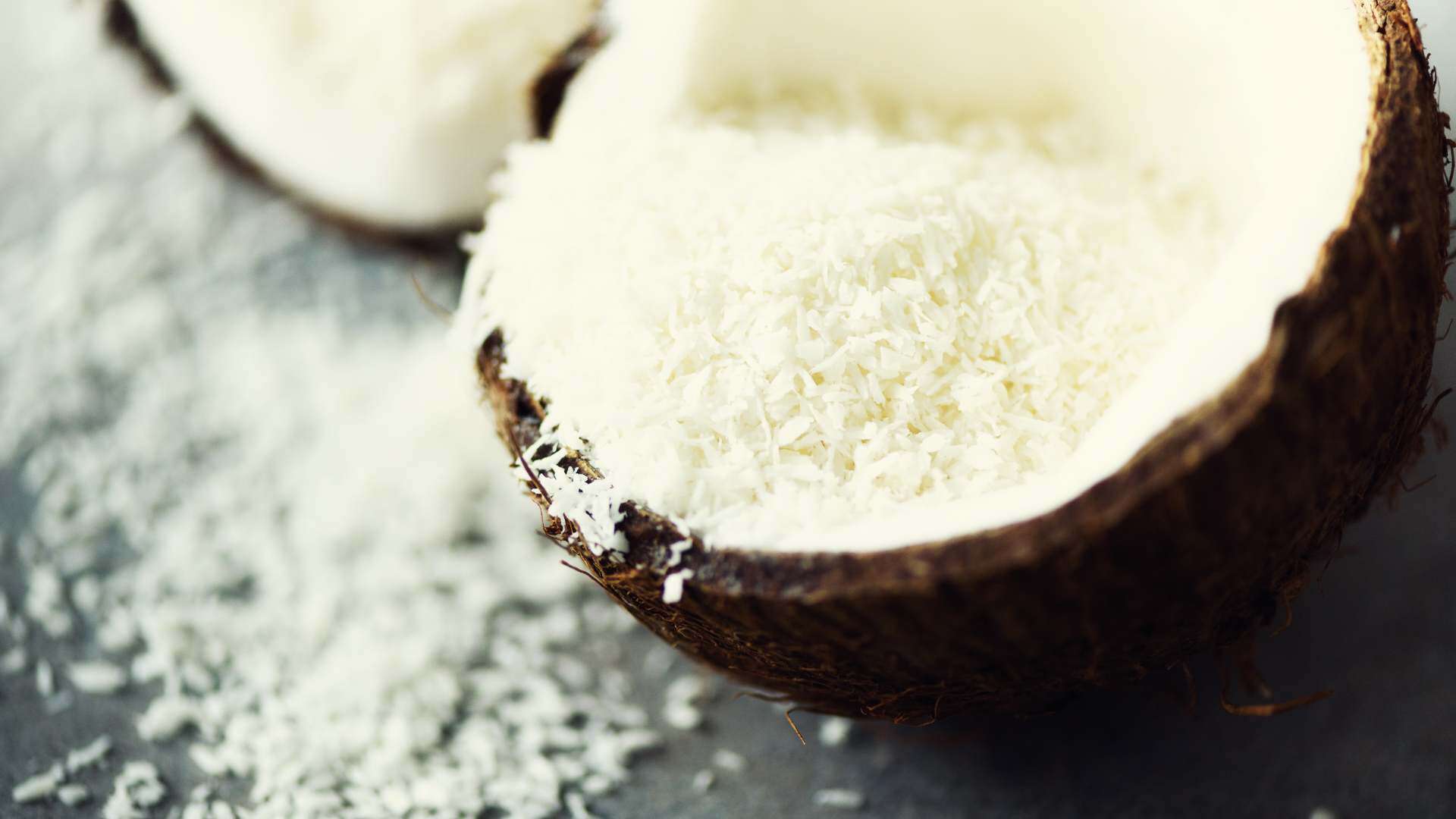
Coconut flour has surged in popularity as a nutritious and versatile alternative to traditional flours. Made from dried coconut meat, it offers a unique set of benefits that can enhance both your baking and overall health. In this comprehensive guide, we’ll explore what coconut flour is, its benefits, and how to use it effectively in your kitchen.
What is Coconut Flour?
Coconut flour is a gluten-free flour made from the dried and ground flesh of coconuts. It has a light, airy texture and a mild coconut flavor that can add a subtle sweetness to your recipes. Unlike wheat flour, coconut flour is rich in fiber and healthy fats, making it a popular choice among those following gluten-free, paleo, or ketogenic diets.
What Are the Benefits of Coconut Flour?
1. High in Fiber: Coconut flour is an excellent source of dietary fiber, which is crucial for digestive health. A typical serving of coconut flour contains about 5 grams of fiber, which can help maintain regular bowel movements and promote a healthy gut.
2. Low in Carbohydrates: Compared to traditional flours, coconut flour is significantly lower in carbohydrates. This makes it a great option for those following low-carb or ketogenic diets.
3. Rich in Healthy Fats: Coconut flour contains medium-chain triglycerides (MCTs), a type of fat that is easily absorbed and used for energy. MCTs can support metabolism and help with weight management.
4. Free from Gluten: For those with gluten sensitivities or celiac disease, coconut flour is a safe and nutritious alternative to wheat flour. It can be used in a variety of baked goods without causing gluten-related issues.
5. Supports Blood Sugar Control: The high fiber content in coconut flour helps slow down the absorption of sugars into the bloodstream, which can contribute to better blood sugar control and reduced risk of insulin resistance.
How Do You Use Coconut Flour?
Using coconut flour in baking and cooking requires some adjustments compared to traditional flours due to its unique properties. Here are a few tips to get you started:
1. Adjust Liquid Ratios: Coconut flour absorbs more liquid than other flours, so you’ll typically need to increase the amount of liquid in your recipes. For every cup of coconut flour, you may need to add an extra egg or more liquid to achieve the right consistency.
2. Combine with Other Flours: To achieve a desirable texture in baked goods, you may need to combine coconut flour with other gluten-free flours, such as almond flour or tapioca flour. This helps balance the dense texture of coconut flour and improves the final product.
3. Use as a Thickening Agent: Coconut flour can also be used as a thickening agent in soups, sauces, and stews. It provides a subtle coconut flavor and adds thickness without altering the taste significantly.
4. Experiment with Recipes: Coconut flour is versatile and can be used in a variety of recipes, including pancakes, muffins, cookies, and bread. Start with recipes specifically designed for coconut flour to understand its properties before experimenting with your own.
What Are Some Delicious Recipes Using Coconut Flour?
1. Coconut Flour Pancakes: Light and fluffy, these pancakes make for a nutritious breakfast option. Combine coconut flour with eggs, coconut milk, and a bit of baking powder for a delicious treat.
2. Coconut Flour Muffins: Perfect for a quick snack or breakfast, coconut flour muffins can be customized with your favorite add-ins, such as berries, nuts, or chocolate chips.
3. Coconut Flour Bread: A great alternative to traditional bread, coconut flour bread is dense and filling, ideal for sandwiches or toast.
How Do You Store Coconut Flour?
To maintain the freshness of coconut flour, store it in an airtight container in a cool, dry place. It’s best to keep it away from direct sunlight and moisture. For longer shelf life, you can also refrigerate or freeze coconut flour to prevent it from going rancid.
Where Can You Buy Coconut Flour?
Coconut flour is widely available in grocery stores, health food stores, and online retailers. When purchasing, look for high-quality, organic options to ensure you’re getting a pure and nutritious product.
In conclusion, coconut flour is a nutritious and versatile ingredient that can enhance your baking and cooking while providing a range of health benefits. Whether you’re following a specific diet or simply looking to try something new, coconut flour offers a delicious alternative to traditional flours. Experiment with it in your recipes and enjoy the unique flavor and health benefits it brings to your meals.