Cinnamon is one of the most beloved spices in the world, evoking warmth, comfort, and sweetness. But for health-focused brands, supplement manufacturers, and premium bakeries, there is a secret in the spice aisle: Not all cinnamon is created equal.
There are two distinct species sold as “cinnamon”:
- Cassia Cinnamon (Cinnamomum cassia): The cheaper, darker, hard-barked variety commonly found in supermarkets and mass-produced pastries.
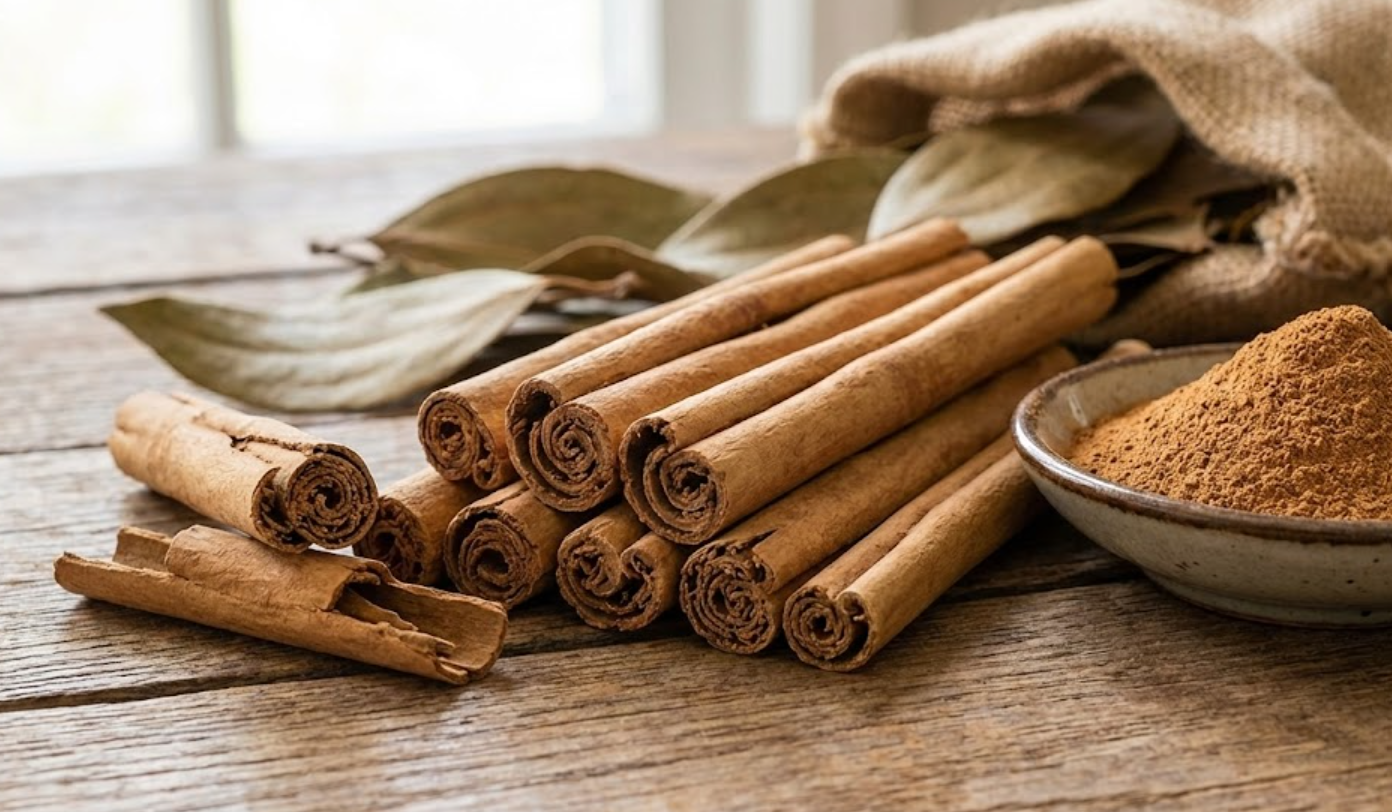
- Ceylon Cinnamon (Cinnamomum verum): Known as “True Cinnamon,” native to Sri Lanka. Lighter, sweeter, and significantly more expensive.
For B2B buyers, the difference isn’t just culinary—it’s toxicological. Impact Foods supplies Certified Organic Ceylon Cinnamon, allowing your brand to avoid liability, ensure safety, and make premium claims about purity.
The Safety Factor: The Coumarin Crisis
The most important technical distinction between Cassia and Ceylon is a natural compound called Coumarin. Coumarin is a flavouring substance found in many plants. However, in high doses, it is hepatotoxic (toxic to the liver) and can act as a blood thinner.
- Cassia Cinnamon: Contains very high levels of Coumarin (often approx. 1% or 10,000 mg/kg). The European Food Safety Authority (EFSA) has set strict Tolerable Daily Intake (TDI) limits for Coumarin. A consumer taking a daily teaspoon of Cassia for health reasons could easily exceed safe limits.
- Ceylon Cinnamon: Contains ultra-low, negligible levels of Coumarin (often approx. 0.004% or <50 mg/kg). It is roughly 250 times lower in Coumarin than Cassia.
Why this matters for your brand: If you are formulating a supplement (e.g., for blood sugar support), a keto daily snack, or a health food intended for regular consumption, you must use Ceylon Cinnamon. Using Cassia in high-dose health products poses a genuine safety risk and potential liability.
The Metabolic Super-Spice
Beyond safety, Ceylon Cinnamon is a functional powerhouse. It is one of the most researched spices for metabolic health.
- Blood Sugar Regulation: Cinnamon has been shown to improve insulin sensitivity and reduce insulin resistance. It helps transport glucose from the bloodstream into the cells, making it a hero ingredient for Type 2 Diabetes management supplements.
- Antioxidant Capacity: On the ORAC (Oxygen Radical Absorbance Capacity) scale, Cinnamon ranks as one of the highest antioxidants in the world—outperforming “superfoods” like garlic and oregano. It is a potent preservative that can naturally extend the shelf life of baked goods.
Sensory Profile: A Sophisticated Flavor
For food technologists, the flavour difference is profound.
- Cassia: Hot, spicy, pungent, and slightly bitter. It provides the “burn” in Red Hots candy.
- Ceylon: Delicate, floral, complex, and naturally sweet. It has notes of citrus and clove without the harsh burn.
- Texture: Cassia bark is hard and thick (like tree bark). When ground, it can be gritty. Ceylon bark is paper-thin and fragile. When milled, it creates an ultra-fine, soft powder that dissolves beautifully in liquids and creates a smooth mouthfeel in desserts.
Sourcing: The “True” Origin
Impact Foods sources our Ceylon Cinnamon directly from Sri Lanka (formerly Ceylon), the only place in the world where true Cinnamomum verum grows indigenously. We ensure our supply is Certified Organic. This is vital because cinnamon bark is often harvested from the wild or small farms; organic certification ensures no chemical fumigation or irradiation was used during processing.
Wholesale Applications
- Metabolic Supplements: The #1 application. Capsules focused on glucose management and weight loss.
- Premium Baking: High-end pastries, Danish swirls, and artisan breads where a subtle, sophisticated spice is required rather than an overpowering heat.
- Chai & Tea Blends: Adds sweetness and depth to tea blends. Because it dissolves well, it doesn’t leave a “sludge” at the bottom of the cup.
- Keto Treats: A staple flavouring for low-carb desserts, as its natural sweetness helps mask the cooling effect of sweeteners like Erythritol.
Conclusion
“True” Cinnamon is an indicator of quality. Listing “Ceylon Cinnamon” on your ingredient deck is a flex—it signals to educated consumers that you have prioritized their health, safety, and sensory experience. Don’t cut corners with Cassia. Source the real deal from Impact Foods.