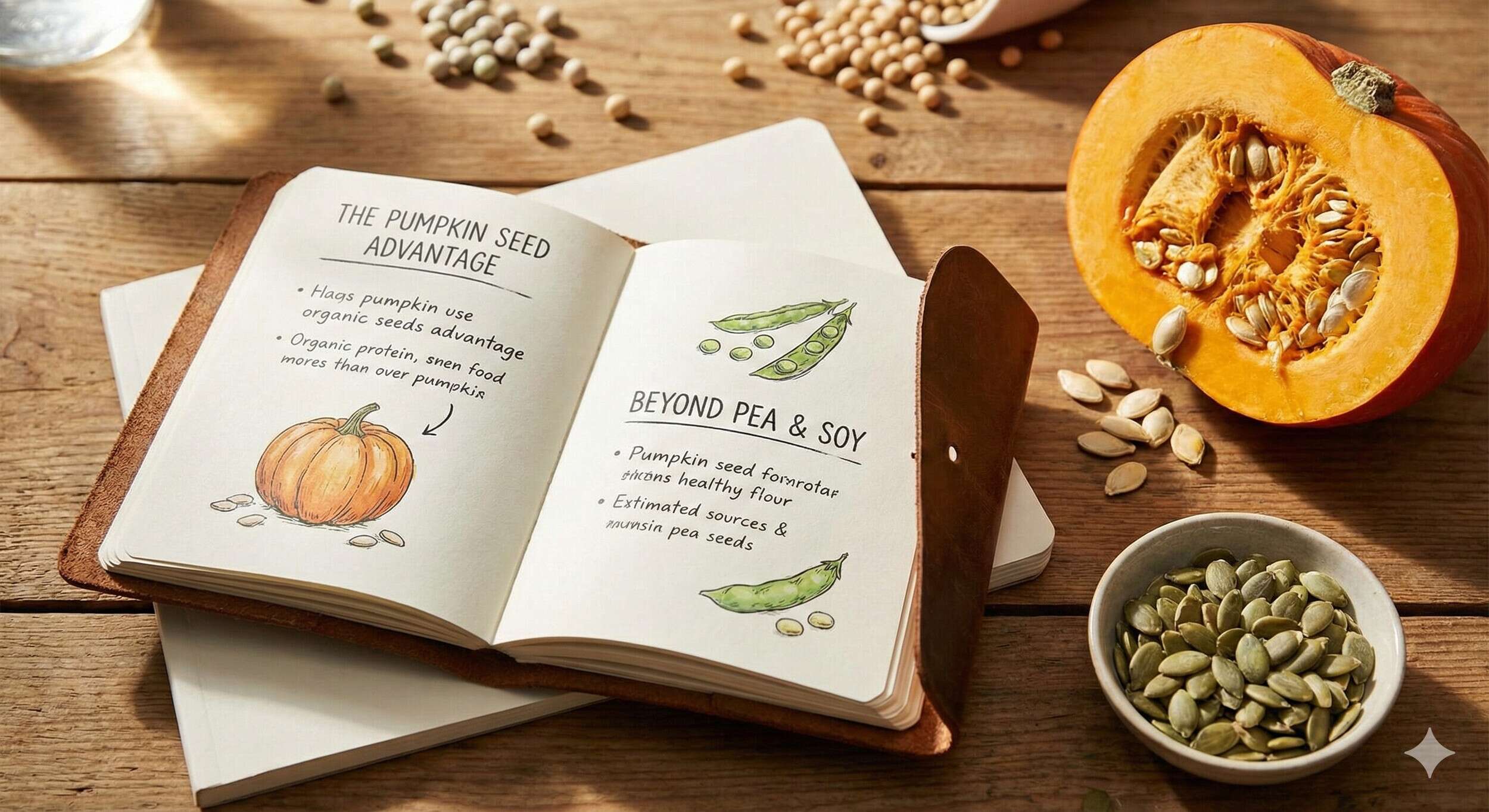
For the last decade, the plant-based protein market has been dominated by two giants: Soy and Pea. While they have served the industry well, the market is shifting. We are entering “Phase 2” of the plant-based revolution.
Today’s consumers are more sophisticated. They are looking for proteins that are not just “meat replacements” but are whole foods in their own right. They want ingredients that are free from allergens, easy on the gut, Paleo-friendly, Keto-friendly, and naturally delicious without heavy masking agents.
Enter Organic Pumpkin Seed Protein.
Derived from the nutrient-dense Styrian pumpkin seed (and other high-quality varieties), this green protein powder is rapidly becoming the preferred choice for premium nutrition brands in the UK. It offers a unique proposition: it doesn’t just build muscle; it supports mood, sleep, and hormonal health.
At Impact Foods, we have witnessed a surge in demand for this “Seed Super-Protein.” In this comprehensive guide, we will explore why Pumpkin Seed Protein is the future of formulation, the science behind its unique nutritional profile, and how UK manufacturers can leverage it to capture the premium wellness market.
1. The Manufacturing Process: Cold-Pressed Quality
To understand the value of Pumpkin Seed Protein, B2B buyers must first understand how it is made. Unlike some protein isolates which are extracted using high heat or chemical solvents (like hexane), premium Pumpkin Seed Protein is a result of mechanical simplicity.
- The Pressing: High-quality organic pumpkin seeds are cold-pressed to remove the oil (which is sold separately as Pumpkin Seed Oil).
- The Milling: The resulting “cake” (the defatted seeds) is then stone-milled into a fine powder.
Why this matters for your brand: Because this is a mechanical process, the proteins remain undenatured. The enzymes, vitamins, and minerals are preserved. This allows you to market your product as “Raw,” “Cold-Processed,” and “Chemical-Free”—claims that resonate deeply with the “Clean Label” demographic.
2. Nutritional Biochemistry: More Than Just Macros
While standard proteins are judged solely on their amino acid profile, Pumpkin Seed Protein is a functional food powerhouse.
A. The Zinc & Magnesium Connection
Pumpkin seeds are one of nature’s richest sources of Magnesium and Zinc.
- Magnesium: Essential for over 300 enzymatic processes, including muscle function and energy production. In the UK, magnesium deficiency is widespread. A protein shake that naturally contributes to the Daily Reference Intake (DRI) of magnesium is a huge selling point for active consumers.
- Zinc: Crucial for immune function and, specifically, Men’s Health (testosterone support and prostate health). This makes Pumpkin Seed Protein the ideal base for “Male Vitality” blends.
B. Tryptophan and the Mood Market
Uniquely among plant proteins, pumpkin seeds are a robust source of L-Tryptophan. This amino acid is the precursor to Serotonin (the “happiness hormone”) and Melatonin (the “sleep hormone”).
- Formulation Opportunity: This opens the door for “Evening Recovery Shakes.” While whey and caffeine-heavy pre-workouts own the morning, Pumpkin Seed Protein owns the evening wind-down, helping athletes recover and sleep better.
C. The Allergen Advantage
Soy is a top allergen. Pea protein, while generally safe, can cause bloating in some individuals due to FODMAPs. Pumpkin Seed Protein is naturally hypoallergenic. It is free from dairy, soy, gluten, and nuts. It is generally well-tolerated by those with sensitive stomachs (IBS), making it a safer bet for “Gut Health” product lines.
3. Sensory Profile: The “No-Masking” Solution
One of the biggest headaches for food technologists formulating with Pea Protein is the taste. Pea has a distinct “grassy” or “beany” off-note that requires heavy sweetening or flavour masking (often using expensive natural flavourings).
Pumpkin Seed Protein is different.
- Flavour: It has a pleasant, mild, nutty taste. It tastes like… seeds.
- Colour: It has a natural pale green hue.
- Texture: While slightly less soluble than a highly processed isolate, it adds a pleasant mouthfeel to bakery products and blends well in thick shakes.
Formulation Tip: The nutty flavour profile pairs exceptionally well with Chocolate, Coffee, Salted Caramel, and Vanilla. It requires significantly less sweetener to make palatable compared to unflavoured pea protein.
4. Market Trends: Keto and Paleo Drivers
The “Keto” trend in the UK has moved from a fad to a permanent lifestyle category. Pumpkin Seed Protein is naturally rich in healthy fats (Omega-6 and Omega-9) and very low in net carbohydrates. Unlike whey (which can trigger an insulin response), the fat-protein matrix of pumpkin seeds provides sustained satiety.
Furthermore, it is Paleo-approved. Since legumes (peas, soy, peanuts) are forbidden on strict Paleo diets, Pumpkin Seed Protein is often the only viable powder option for this demographic.
5. Wholesale Applications and NPD Ideas
Impact Foods supplies bulk Organic Pumpkin Seed Protein (typically 60-65% protein content) to a wide range of innovators. Here is how they are using it:
- The “Real Food” Bar: Protein bars are moving away from “chewy toffee” textures towards “pressed food” textures. Pumpkin protein acts as a great binder and nutritional booster in raw vegan bars.
- Keto Baking Mixes: Used as a partial flour replacement in low-carb bread mixes to add structure and protein without the carbs.
- Green Superfood Blends: Because of its green colour, it blends invisibly into Spirulina or Wheatgrass mixes, adding a protein claim to a detox product.
- Senior Nutrition: With its high mineral content and easy digestibility, it is increasingly used in formulations for the elderly to prevent sarcopenia (muscle loss) without upsetting digestion.
6. The Impact Foods Promise: European Quality
Quality varies in the seed market. Seeds grown in different regions have different heavy metal profiles and oil contents. Impact Foods prioritizes European and high-grade origins. We ensure our Pumpkin Seed Protein is:
- Certified Organic: Free from glyphosate and pesticides.
- Batch Tested: Rigorously checked for heavy metals and microbiology.
- Freshly Milled: To prevent rancidity of the residual healthy fats.
Conclusion: The Green Gold of Protein
The future of protein is diverse. While Pea Protein will remain the workhorse for meat analogues, Pumpkin Seed Protein is capturing the premium nutrition space. It offers a story of whole-food nutrition, men’s health support, and clean processing that modern consumers crave.