
For decades, the global hazelnut market was dominated by a single, monolithic application: cheap, sugar-laden chocolate spreads. The nut was treated as a secondary filler, masked by synthetic vanillin and palm oil. But as we navigate the complex food landscape of 2026, the paradigm has entirely shifted.
The modern consumer is actively rejecting Ultra-Processed Foods (UPFs), demanding transparent supply chains, and seeking out “Whole Food” indulgence. In the plant-based sector, formulators are desperately searching for functional fats that can mimic the luxurious mouthfeel of dairy without relying on highly refined coconut or seed oils.
Enter the Organic Hazelnut (Corylus avellana).
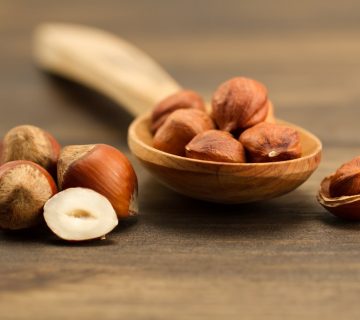
This ancient tree nut is experiencing a massive renaissance in the premium B2B sector. From barista-grade plant milks to keto-friendly functional butters and luxury vegan chocolate, the hazelnut is no longer a background flavor—it is the hero ingredient.
At Impact Foods, we have recognized this shift and optimized our supply chain to provide the highest-grade, ethically sourced Organic Hazelnuts to the manufacturing sector. In this comprehensive, 2,500-word industry guide, we will explore the complex biochemistry of the hazelnut, unpack the volatile 2026 market trends, and provide actionable technical strategies for integrating our Organic Hazelnuts into your next breakthrough product.
1. The Biochemistry of the Hazelnut: A Masterclass in Lipids
To effectively formulate with hazelnuts, New Product Development (NPD) managers must understand their precise chemical composition. Hazelnuts are not just flavor agents; they are highly complex lipid delivery systems.
The Oleic Acid Advantage (Omega-9)
The defining characteristic of the hazelnut is its extraordinary fat profile. Hazelnuts contain approximately 60-65% fat by weight, and crucially, over 75% of this fat is Oleic Acid (a monounsaturated Omega-9 fatty acid).
This high concentration of oleic acid provides two massive advantages for food manufacturers:
Oxidative Stability: Unlike walnuts or flaxseeds, which are high in highly reactive polyunsaturated fats, the monounsaturated dominance in hazelnuts makes them incredibly stable. They resist lipid oxidation (rancidity) far better than many other nuts, extending the shelf-life of your finished packaged goods.
The “Dairy” Mouthfeel: Oleic acid melts at a temperature very close to human body temperature. When hazelnut paste is used in a vegan milk chocolate or a plant-based ice cream, it provides a slow, luxurious “melt” on the palate that perfectly mimics the behavior of butterfat.
Micronutrient Density: The “Brain Food” Claim
In 2026, consumers expect their snacks to perform a function. Hazelnuts offer a robust nutritional payload that supports key EFSA and FDA health claims:
Vitamin E (Alpha-Tocopherol): Hazelnuts are one of the richest dietary sources of Vitamin E, a potent lipid-soluble antioxidant. This protects the nut’s own oils from going rancid while offering consumers powerful skin and cellular health benefits.
Folate (Vitamin B9): Uniquely among tree nuts, hazelnuts are an excellent source of folate, making them an ideal functional ingredient for maternal health products and energy bars.
Proanthocyanidins (PACs): Found primarily in the hazelnut’s thin, papery skin (the pellicle), these polyphenols possess high antioxidant capacity. For manufacturers creating “whole food” or “raw” products, retaining the skin adds a significant functional health halo.
2. Market Trends 2026: The New Avenues of Application
Why is the demand for premium, organic hazelnuts spiking in 2026? The answer lies in the intersection of three dominant consumer trends.
Trend 1: The “Clean” Gianduja and Vegan Chocolate
The plant-based chocolate market has matured. Consumers are no longer satisfied with chocolate that tastes “acceptable for a vegan.” They want luxury. The traditional Italian creation of Gianduja—a homogenous blend of chocolate and hazelnut paste—has become the gold standard for vegan milk chocolate. By utilizing Impact Foods’ Organic Hazelnuts, chocolatiers can replace dairy milk powder entirely. The hazelnut fat provides the necessary snap, temper, and creamy melt, while its roasted flavor profile naturally complements the complex bitter notes of high-quality cacao.
Trend 2: Next-Generation Plant Milks
The alternative dairy market is shifting away from almonds (due to water-intensity concerns) and oats (due to blood sugar spike concerns from enzymatic processing).
The Hazelnut Solution: Hazelnut milk offers a rich, naturally sweet, and incredibly creamy alternative that froths beautifully for barista applications. Because hazelnuts require significantly less water to cultivate than almonds, they offer a compelling “Sustainable Water” marketing narrative for eco-conscious beverage brands.
Trend 3: Keto and Low-Carb Functional Spreads
The backlash against Ultra-Processed Foods has driven a dagger into the heart of traditional, palm-oil-based chocolate spreads (which are often over 50% refined sugar).
The Opportunity: Brands are pivoting to “Nutrient-Dense Butters.” By milling our Organic Hazelnuts with erythritol, monk fruit, or yacon syrup, and blending with raw cacao, manufacturers are creating keto-compliant, low-GI spreads that command a 300% price premium over legacy brands.
3. The Ethics of Origin: Why Sourcing Strategy is Everything
If you are a B2B buyer in 2026, you cannot afford to ignore the geopolitical and ethical realities of the hazelnut supply chain.
The Turkish Monopoly and Ethical Concerns
Historically, Turkey has produced roughly 70% of the world’s hazelnuts. However, the conventional Turkish supply chain has faced severe, documented criticism regarding unfair labor practices, the use of child labor during the harvest season, and volatile pricing driven by government interventions and currency fluctuations.
For a modern brand, utilizing conventionally sourced hazelnuts carries a massive PR risk. Today’s consumers utilize apps and databases to track the ethical origins of their food. A single supply chain scandal can destroy a brand’s equity overnight.
The Impact Foods Organic Guarantee
This is where Impact Foods provides critical B2B value. We do not engage with opaque commodity brokers.
Traceability: Our Organic Hazelnuts are sourced through transparent, ethically audited cooperatives. We can trace our batches back to the specific growing regions.
Certified Organic: Our nuts are grown without the use of synthetic pesticides or herbicides, protecting both the consumer’s health and the biodiversity of the farming region.
Fair Labor: We strictly mandate ethical labor practices across our supply chain, ensuring fair wages and absolutely zero child labor. When you formulate with Impact Foods, you are buying a risk-free, clean-conscience ingredient that you can proudly declare on your packaging.
4. Technical Manufacturing Guide: Roasting, Processing, and Storage
Hazelnuts are a highly dynamic raw material. How you process them will fundamentally alter the sensory and structural properties of your final product. Here is a technical breakdown for your R&D teams.
The Science of the Roast: The Maillard Reaction
Raw hazelnuts are mild, slightly sweet, and have a firm, crunchy texture. To unlock their signature flavor, they must be roasted.
During roasting, the amino acids and reducing sugars within the hazelnut undergo the Maillard reaction, producing hundreds of volatile flavor compounds (specifically pyrazines).
Light Roast (120°C – 130°C for 15 mins): Retains some of the raw sweetness and preserves the maximum amount of Vitamin E. Best for delicate plant milks and raw-leaning snack bars.
Medium Roast (140°C – 150°C for 15-20 mins): The industry standard. Develops deep caramel, coffee, and toasted notes. The skin (pellicle) easily blisters and detaches at this stage. Ideal for chocolate inclusions and standard nut butters.
Dark Roast (160°C+): High risk of burning, but produces intense, bitter-cocoa notes. Used in small percentages as a natural flavoring agent in stouts, porters, or dark chocolate truffles.
Blanching vs. Natural (Skin-On)
Natural (With Skin): Retains the highest antioxidant profile. The skin adds a slight astringency and bitter note due to the tannins. Excellent for rustic bakery items or high-fiber functional snacks.
Blanched (Skinless): Essential for smooth, premium applications like Gianduja, white chocolate formulations, or pure white hazelnut milks. The removal of the skin eliminates bitterness and ensures a perfectly uniform color and texture. Impact Foods can supply specific formats based on your production needs.
Managing Moisture and Rancidity (QA Protocols)
The biggest threat to a hazelnut-based product is lipid oxidation.
Water Activity (aW): Keep the water activity of your final product low. In multi-component snacks (like a granola bar with dried fruit and hazelnuts), moisture migration from the fruit to the nut will cause the nut to lose its crunch and accelerate staling.
Storage: Bulk Impact Foods Organic Hazelnuts should be stored in a cool, dry environment (ideally below 10°C / 50°F) in vacuum-sealed or nitrogen-flushed packaging to prevent oxygen exposure.
5. NPD Opportunities: 3 Formulations for 2026
To help your innovation teams hit the ground running, here are three high-growth product concepts utilizing Impact Foods Organic Hazelnuts:
Concept 1: “Brain Fuel” Nootropic Hazelnut Butter
Target Audience: Bio-hackers, Keto dieters, and corporate professionals.
The Formulation: A deeply roasted, ultra-smooth Organic Hazelnut paste blended with MCT Oil, Lion’s Mane Mushroom extract, and a touch of Madagascan Vanilla.
The Claim: “Sustained Cognitive Energy.” The high oleic acid of the hazelnut provides slow-burning fuel for the brain, while the functional mushrooms support neuroplasticity.
Concept 2: Barista-Grade “Praline” Oat & Hazelnut Milk
Target Audience: The specialty coffee sector and premium retail.
The Formulation: A hybrid plant milk using a base of enzymatically hydrolyzed oats blended with 3% Organic Hazelnut paste and a pinch of pink Himalayan salt.
The Claim: The oats provide the carbohydrate structure for thick micro-foam, while the hazelnut fat provides the rich, dairy-like mouthfeel and a naturally sweet “praline” flavor profile that pairs flawlessly with espresso.
Concept 3: “Upcycled” Low-Carb Brownie Premix
Target Audience: The gluten-free and diabetic-friendly baking market.
The Formulation: A dry baking mix utilizing Defatted Hazelnut Flour (a byproduct of cold-pressed hazelnut oil production), Organic Raw Cacao Powder, Erythritol, and Baking Powder.
The Claim: “Grain-Free, High-Protein Indulgence.” Hazelnut flour behaves beautifully in dense, fudgy bakes, offering a low-carbohydrate alternative to almond flour with a vastly superior, deeply roasted flavor.
6. Regulatory & Labeling Considerations (UK/EU)
When integrating hazelnuts into your supply chain, strict allergen management is paramount.
Allergen Protocols: Hazelnuts are a recognized major tree nut allergen. If you run a facility that produces both nut-containing and nut-free SKUs, strict HACCP segregation protocols, dedicated production lines, or validated CIP (Clean-In-Place) sanitation procedures must be rigorously enforced.
Labeling: “Organic Hazelnuts (Corylus avellana).” Must be highlighted in bold on the ingredient deck per EU/UK regulations.
Health Claims: Depending on the dosage in your final product, you can leverage EFSA-approved claims regarding the replacement of saturated fats with unsaturated fats (oleic acid) contributing to the maintenance of normal blood cholesterol levels.
7. Partnering with Impact Foods: Your B2B Supply Chain Solution
In the volatile agricultural market of 2026, securing a reliable, consistent supply of premium tree nuts is a major competitive advantage. An inconsistent roast, a batch of rancid nuts, or a delayed shipment can grind your entire manufacturing facility to a halt.
Why Choose Impact Foods for Your Hazelnut Supply?
Uncompromising QA: Every batch of our Organic Hazelnuts undergoes rigorous independent laboratory testing for aflatoxins, heavy metals, moisture content, and microbiological safety (Salmonella, E. coli), ensuring full compliance with stringent EU food safety standards.
Format Flexibility: Whether you require whole raw kernels for roasting in-house, pre-roasted and diced pieces for immediate inclusion in bakery items, or ultra-fine hazelnut paste for confectionery, we can adapt to your exact processing requirements.
UK-Based Warehousing: We hold extensive stock in our UK facilities, insulating our B2B partners from international freight delays and customs friction. We offer rapid dispatch for Just-In-Time (JIT) manufacturing schedules.
Complete Traceability: We provide full Specifications, Certificates of Analysis (CoA), Allergen Statements, and Organic Certificates with every single order.
Conclusion: Elevate Your Core Ingredients
The modern consumer can taste the difference between a cheap, commodity filler and a premium, whole-food ingredient. As the market moves towards authentic, clean-label indulgence, the ingredients you choose to formulate with will dictate the success of your brand.
Impact Foods’ Organic Hazelnuts offer an unparalleled combination of sensory luxury, oxidative stability, nutritional density, and ethical integrity. By upgrading your formulations with our premium hazelnuts, you are not just improving the taste of your product; you are elevating its market positioning, justifying a premium price point, and building lasting consumer trust.
Don’t let subpar ingredients compromise your brand’s potential.
👉 Explore Specifications, Formats, and Request a Bulk Quote for Impact Foods’ Organic Hazelnuts Here