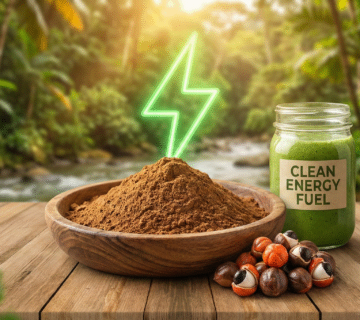

In the quest for healthier alternatives to refined sugars, coconut sugar has emerged as a superstar in the world of natural sweeteners. This unrefined, nutrient-rich sweetener is derived from the sap of coconut palm trees and has gained popularity not only for its delicious taste but also for its impressive nutritional profile. Let’s delve into the reasons why coconut sugar is being hailed as a superfood and how it can be a game-changer for those looking to make healthier dietary choices.
The Natural Goodness of Coconut Sugar
One of the key factors that make coconut sugar stand out is its natural and minimally processed production. Unlike traditional table sugar, which undergoes extensive refining and bleaching processes, coconut sugar is made by extracting sap from the coconut palm tree. This sap is then boiled down to create a rich, caramel-like syrup, which is further dried and granulated to form the final product.
Nutrient-Rich Composition
What sets coconut sugar apart from its refined counterparts is its nutrient density. Coconut sugar contains essential vitamins and minerals such as iron, zinc, calcium, and potassium, as well as antioxidants like polyphenols and flavonoids. These micronutrients contribute to the overall health benefits associated with consuming coconut sugar, making it a more nourishing choice compared to empty-calorie sweeteners.
Low Glycemic Index for Balanced Blood Sugar Levels
Individuals conscious of their blood sugar levels will appreciate coconut sugar’s low glycemic index (GI). The glycemic index measures how quickly a food raises blood sugar levels. Coconut sugar has a lower GI compared to regular table sugar, meaning it causes a slower and more gradual increase in blood sugar. This can be particularly beneficial for individuals with diabetes or those seeking to manage their weight by avoiding sudden spikes and crashes in blood sugar levels.
Sustainably Sourced and Eco-Friendly
The production of coconut sugar is inherently sustainable and environmentally friendly. Coconut palms are well-suited to diverse, tropical ecosystems, requiring minimal water and pesticides. Additionally, the trees produce sap for an extended period, making coconut sugar a renewable resource. Choosing coconut sugar over conventional sweeteners aligns with environmentally conscious practices, contributing to a healthier planet.
Versatility in Culinary Applications
Coconut sugar’s versatility extends beyond being just a sweetener. Its unique flavor profile, reminiscent of brown sugar with a hint of caramel, makes it a delightful addition to a variety of dishes. Whether used in baking, cooking, or as a topping for cereals and beverages, coconut sugar enhances the taste of foods while imparting its natural sweetness.
Conclusion
In conclusion, coconut sugar’s rise to superfood status is grounded in its natural goodness, nutrient-rich composition, low glycemic index, sustainability, and culinary versatility. As more individuals seek alternatives to refined sugars, coconut sugar stands out as a wholesome choice that not only satisfies sweet cravings but also contributes to overall well-being. By incorporating coconut sugar into your diet, you’re not just indulging in a delicious sweetener – you’re embracing a superfood that nourishes your body and supports a healthier lifestyle. So, why not sweeten your life with the natural magic of coconut sugar?