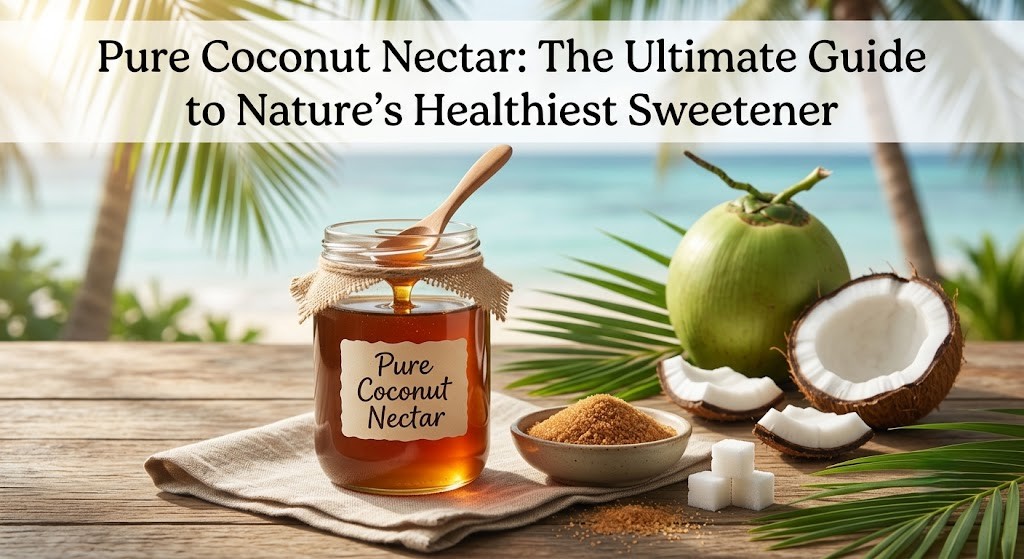
Pure Coconut Nectar: The Ultimate Guide to Nature’s Healthiest Sweetener
In the modern wellness landscape, the detrimental effects of refined white sugar are well-documented. From energy crashes and systemic inflammation to long-term metabolic disruption, consumers and food manufacturers alike are desperately seeking healthier, natural alternatives. The shelves are packed with options—agave, stevia, erythritol, and honey—but one unrefined, nutrient-dense syrup is quietly emerging as the gold standard of natural sweeteners: Coconut Nectar.
Unlike highly processed sugar substitutes that are stripped of their nutritional value or created in a laboratory, coconut nectar is a whole-food sweetener. It boasts a rich, caramel-like flavour, a remarkably low glycemic index, and a nutritional profile that actively supports your body’s daily functions.
Whether you are a home baker looking to healthify your family’s treats, a health-conscious consumer managing your blood sugar, or a commercial food brand seeking a premium organic ingredient, this comprehensive guide covers everything you need to know about coconut nectar.
What Exactly is Coconut Nectar?
To understand why coconut nectar is so highly regarded, you have to look at how it is harvested. A common misconception is that coconut nectar is made from the coconut water or the white meat of the coconut itself. In reality, it comes from the highest point of the tree: the blossoms.
The Traditional Harvesting Process
The creation of coconut nectar is a sustainable, centuries-old artisanal craft.
-
Tapping the Blossom: Expert farmers climb the coconut palms and make a small, precise incision into the flowering stem (the spathe) of the tree, long before a coconut is ever formed.
-
Collecting the Sap: The tree naturally bleeds a sweet, nutrient-rich sap. This milky liquid is collected in bamboo containers over several hours.
-
Gentle Evaporation: The fresh sap is highly perishable and ferments quickly. To create the nectar, the sap is immediately transferred to large, open vats where it is gently heated at low temperatures.
-
The Final Syrup: As the water evaporates, the sap thickens into a rich, dark, pourable syrup.
Because the sap is never subjected to harsh chemical refining, bleaching, or high-heat boiling, the final coconut nectar retains all the naturally occurring vitamins, minerals, and amino acids found in the living tree.
The Nutritional Breakdown: More Than Just Sweetness
When you consume refined white sugar or high-fructose corn syrup, you are consuming “empty calories.” They provide energy, but absolutely zero nutritional value. The body must actually deplete its own mineral reserves to metabolise refined sugar.
Coconut nectar, on the other hand, is a complex, nutrient-dense food.
Essential Minerals
The sap of the coconut blossom acts as the lifeblood of the tree, drawing minerals deep from the soil. Coconut nectar is notably rich in:
-
Potassium: Crucial for regulating blood pressure, supporting cardiovascular health, and maintaining proper hydration and electrolyte balance.
-
Magnesium: Required for over 300 biochemical reactions in the body, including muscle relaxation, nerve function, and energy production.
-
Zinc: A foundational mineral for a robust immune system and cellular repair.
-
Iron: Essential for the production of red blood cells and the prevention of fatigue.
Vitamins and Amino Acids
Coconut nectar contains a broad spectrum of B-vitamins, particularly Vitamin B8 (Inositol), which plays a significant role in mood regulation and nerve health. Furthermore, it contains 17 different amino acids—the building blocks of protein. The highest concentration is of Glutamic Acid, an amino acid essential for optimal brain function and neurotransmitter health.
The Power of Inulin
Perhaps the most significant nutritional component of coconut nectar is Inulin. Inulin is a type of soluble dietary fibre that acts as a prebiotic in the human digestive system. It feeds the beneficial bacteria in your gut microbiome, promoting healthy digestion and robust immune function. This naturally occurring fibre is also the primary reason behind coconut nectar’s most famous health benefit: its low glycemic index.
Understanding the Glycemic Index (GI) Advantage
The Glycemic Index (GI) is a metric used to measure how quickly a specific food raises your blood glucose (blood sugar) levels after consumption. The scale runs from 0 to 100, with pure glucose sitting at 100.
Foods with a high GI cause rapid spikes in blood sugar. This triggers the pancreas to release a massive surge of insulin to pull the sugar out of your blood and into your cells. This rapid spike is almost always followed by a sharp crash, leaving you feeling lethargic, irritable, and craving more sugar. Over time, this rollercoaster can lead to insulin resistance and type 2 diabetes.
Where Coconut Nectar Ranks
-
Refined White Sugar: GI of ~65
-
High-Fructose Corn Syrup: GI of ~73
-
Standard Maple Syrup: GI of ~54
-
Coconut Nectar: GI of ~35
Because coconut nectar has a GI of around 35, it is classified as a low-glycemic food. The unique combination of natural sugars, fats, and inulin fibre slows down the absorption of glucose into the bloodstream.
The result? A slow, steady, and sustained release of energy. You get the sweetness you crave without the destructive hormonal cascade, making coconut nectar a superior choice for sustained focus, athletic endurance, and overall metabolic health.
Coconut Nectar vs. Other Popular Sweeteners
To truly appreciate the value of coconut nectar, it helps to compare it directly to other sweeteners dominating the health food aisles.
| Sweetener | Processing Level | Glycemic Index | Nutritional Value |
| Refined Sugar | Highly chemically processed | High (65) | Zero (Empty calories) |
| Agave Nectar | Highly processed (often high in fructose) | Low (15-30) | Very Low |
| Honey (Raw) | Minimal (Unheated) | Medium (50) | High (Enzymes, antioxidants) |
| Maple Syrup | Moderate (Boiled) | Medium (54) | Moderate (Zinc, Manganese) |
| Coconut Nectar | Minimal (Gently evaporated) | Low (35) | High (Minerals, Amino Acids, Inulin) |
The Agave Illusion
For years, agave nectar was touted as the ultimate healthy sweetener due to its low GI. However, modern nutritional science has revealed a darker side to agave. Commercial agave is often highly refined and consists of up to 90% fructose. While fructose doesn’t spike blood sugar immediately, it must be metabolised entirely by the liver. Excessive fructose consumption is linked to non-alcoholic fatty liver disease, elevated triglycerides, and visceral belly fat.
Coconut nectar contains only a very small percentage of naturally occurring fructose, making it much gentler on your liver while still maintaining a low GI profile.
Culinary Applications: How to Use Coconut Nectar
One of the greatest attributes of coconut nectar is its incredible versatility in the kitchen. Despite the name, it does not taste like coconut. It boasts a rich, deep, complex flavour profile reminiscent of caramel, molasses, and butterscotch, with a subtle, earthy undertone.
Because it is a liquid sweetener, it integrates seamlessly into a wide variety of recipes.
1. Healthy Baking and Desserts
Coconut nectar is a baker’s dream. Because it retains moisture beautifully, it yields incredibly soft, chewy baked goods. You can use it as a 1:1 replacement for liquid sweeteners like maple syrup, golden syrup, or honey in recipes for cookies, brownies, muffins, and banana bread.
If substituting for dry white sugar, you will need to reduce the other liquids in your recipe slightly (by about a quarter cup for every cup of nectar used) to maintain the correct batter consistency.
2. Beverages and Breakfasts
Forget the refined sugar syrups at the coffee shop. A teaspoon of coconut nectar dissolves instantly into both hot and cold beverages.
-
Coffee and Tea: It adds a beautiful caramel note to a morning latte or a strong cup of black tea.
-
Matcha and Superfood Lattes: It perfectly balances the earthy bitterness of organic matcha or turmeric lattes.
-
Porridge and Pancakes: Drizzle it generously over a warm bowl of morning oats, chia puddings, or a stack of Sunday pancakes for a sustained energy boost.
3. Savoury Cooking and Marinades
The deep, umami-adjacent sweetness of coconut nectar makes it a secret weapon in savoury kitchens, particularly in Asian-inspired cuisine.
-
Stir-Fries: Mix coconut nectar with tamari (or soy sauce), garlic, and ginger for a flawless, refined-sugar-free teriyaki sauce.
-
Salad Dressings: Whisk it into olive oil, Dijon mustard, and apple cider vinegar to balance the acidity of a vinaigrette.
-
Marinades: Use it as a base for marinades on tofu, tempeh, or sustainably sourced fish; the natural sugars caramelise beautifully under a grill or in a hot pan.
To explore a wide variety of superfood ingredients that pair perfectly with this sweetener in your home cooking, Yin Yang Superfoods offers a curated selection of premium, health-optimising pantry staples designed to elevate your daily nutrition.
Environmental Sustainability: The Ethical Choice
In today’s climate-conscious world, the environmental footprint of our food matters just as much as its nutritional profile.
The traditional sugar cane industry is notoriously hard on the environment. It requires massive amounts of water, heavily degrades soil quality, and often involves the burning of fields (which releases immense amounts of carbon into the atmosphere) during harvest.
Coconut sugar and coconut nectar production, conversely, is considered one of the most sustainable sweetener industries in the world.
-
Water Efficiency: Coconut palms require significantly less water than sugar cane to produce the same amount of sweetness.
-
Longevity: A single coconut tree can produce sap continuously for up to 20 years, meaning farmers do not have to constantly slash, burn, and replant crops.
-
Agroforestry: Coconut trees thrive in diverse, natural ecosystems. They can be grown alongside other crops (like cacao or bananas), which promotes soil health, biodiversity, and prevents deforestation.
By choosing coconut nectar, you are directly supporting sustainable farming practices and the livelihoods of small-scale artisanal farming communities.
Where to Source the Best Coconut Nectar
Because the extraction and evaporation process is so delicate, the quality of coconut nectar on the market can vary wildly. Cheap, mass-produced versions are often watered down, mixed with cane sugar, or boiled at high temperatures, destroying the delicate enzymes and nutritional benefits.
Whether you are a consumer looking to upgrade your pantry or a commercial entity sourcing ingredients, you must demand 100% pure, organic, and ethically sourced nectar.
For B2B, Wholesale, and Commercial Manufacturing
The demand for clean-label, functional foods is driving a massive shift in the manufacturing sector. Food and beverage brands are actively reformulating their products to remove refined sugars. If you operate a commercial bakery, a health food brand, or a functional beverage company, securing a reliable, high-volume supply of premium coconut nectar is critical to your product’s success.
For uncompromised quality, traceability, and bulk supply, Impact Foods stands as the premier wholesale distributor. Their pure Coconut Nectar is ethically sourced, rigorously tested, and perfectly suited for commercial applications, ensuring your final product meets the highest standards of the modern health-conscious consumer.
Frequently Asked Questions (FAQs)
Is coconut nectar suitable for a Keto diet?
While coconut nectar is a massive upgrade from refined sugar and has a low glycemic index, it is still a carbohydrate-dense natural sweetener. Therefore, it is generally not suitable for strict ketogenic diets, which require keeping daily carbohydrate intake extremely low. However, it is an excellent choice for Paleo, refined-sugar-free, and whole-food plant-based diets.
Does coconut nectar taste like coconuts?
No. This is the most common misconception. Because it is made from the sap of the flower blossoms and not the coconut meat, there is absolutely no coconut flavour. It tastes incredibly similar to a light molasses, caramel, or a rich maple syrup.
Is coconut nectar raw?
Most coconut nectar is not strictly “raw” in the raw-vegan sense, as the sap must be heated to evaporate the water content and prevent rapid fermentation. However, high-quality nectar is heated very gently at low temperatures to preserve its nutritional integrity, unlike the extreme boiling and chemical bleaching processes used to create standard white sugar.
Is coconut nectar vegan?
Yes, 100%. Unlike some commercial white sugars, which are processed using bone char to achieve their bright white colour, coconut nectar is entirely plant-based and cruelty-free.
Can diabetics use coconut nectar?
While coconut nectar has a much lower glycemic index than refined sugar (meaning it will not spike blood sugar as aggressively), it still contains natural sugars and calories. Many individuals managing diabetes find they can incorporate low-GI sweeteners like coconut nectar in strict moderation. However, it is crucial to consult with a doctor or registered dietician before introducing any new sweetener into a diabetic management plan.
Conclusion: Make the Sweet Switch Today
The journey towards better health does not require you to abandon sweetness entirely; it simply requires you to make smarter, more biologically compatible choices. Refined sugar is an industrial product that taxes the body, depletes nutrients, and disrupts metabolic harmony.
Coconut nectar represents a return to whole-food nutrition. It offers a luxurious, caramel sweetness accompanied by a robust profile of minerals, amino acids, and gut-friendly prebiotics. By choosing a low-glycemic sweetener, you step off the blood sugar rollercoaster, securing sustained energy and long-term metabolic health.
For commercial formulators and health-focused food businesses ready to upgrade their ingredient profiles and meet the demands of an educated consumer base, sourcing the absolute best raw materials is your competitive advantage. Partner with Impact Foods for premium wholesale Coconut Nectar to guarantee the purity and ethical sourcing of your supply chain.
Simultaneously, for everyday health enthusiasts looking to integrate a wider array of holistic, life-enhancing superfoods into their daily routines, explore the extensive offerings at Yin Yang Superfoods.
The shift away from refined sugar is not a passing trend; it is a fundamental correction in how we approach human nutrition. Make the switch to pure coconut nectar today, and enjoy the sweeter side of health without the compromise.