The Ultimate Guide to Bee Pollen: Nature’s Perfect Superfood
In the ever-expanding world of health and wellness, the term “superfood” is often thrown around loosely to describe the latest exotic berry or powdered root hitting the market. However, long before modern nutrition science began isolating vitamins and minerals in laboratories, nature had already engineered what is arguably the most nutritionally complete food on the planet: bee pollen.
Often referred to as nature’s multivitamin, bee pollen has been utilized for thousands of years by ancient civilizations—from the Egyptians who called it “life-giving dust” to the early Greeks who believed it was the secret to eternal youth. Today, modern science is finally catching up to ancient wisdom, uncovering the staggering array of vitamins, minerals, proteins, and enzymes packed into these tiny golden granules.
Whether you are an elite athlete looking for a natural edge in stamina, a wellness enthusiast seeking to fortify your immune system, or simply someone looking to add a potent nutritional boost to your morning smoothie, bee pollen deserves a prime spot in your pantry.
In this comprehensive, 2500-word guide, we will dive deep into everything you need to know about bee pollen. We will explore its unrivaled nutritional profile, break down the science-backed health benefits, explain how to source it ethically, and provide actionable tips on how to incorporate it into your daily routine.
What Exactly is Bee Pollen?
Before we can appreciate the benefits of bee pollen, we must understand what it is and how it is created. Bee pollen is not just the raw pollen that blows in the wind and triggers your seasonal allergies. It is a carefully crafted, nutrient-dense substance created through a symbiotic relationship between flowers and honeybees.
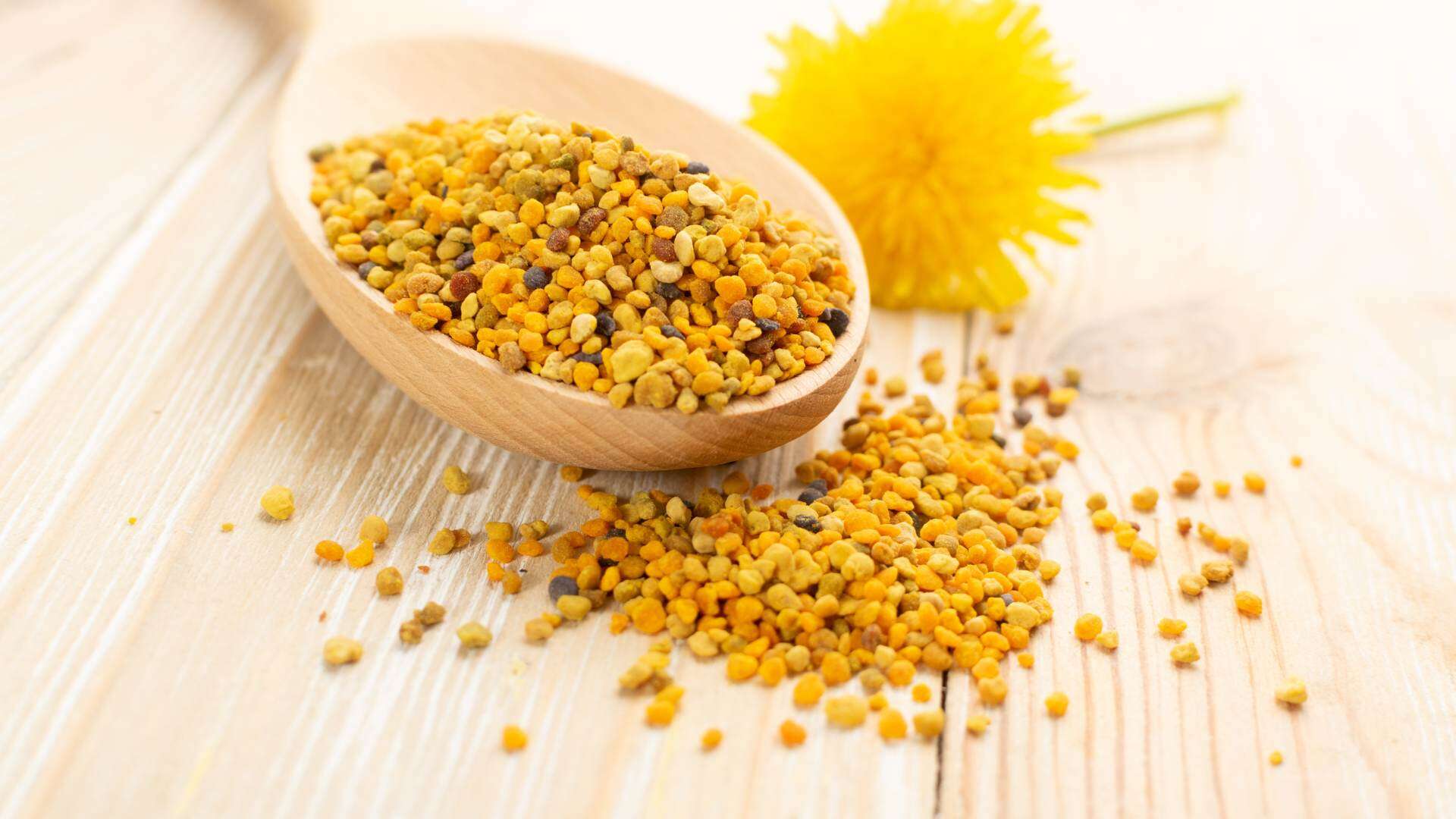
When worker bees (foragers) land on a flower, they collect the microscopic pollen dust. As they gather this pollen, they mix it with a small dose of the secretion from their salivary glands or with nectar. This mixture is then packed into specialized “pollen baskets” (corbiculae) located on their hind legs. If you have ever seen a bee flying with what looks like tiny yellow or orange saddlebags on its legs, you are looking at fresh bee pollen.
Once the bees return to the hive, this pollen is packed into the honeycomb cells. It is used as the primary source of protein for the entire colony, essential for rearing young brood and maintaining the health of the adult bees.
Differentiating the Hive Products
It is crucial not to confuse bee pollen with other incredible products that come from the hive. While they all offer unique benefits, they are biologically distinct:
-
Honey: The sweet, viscous liquid produced by bees using flower nectar. It is primarily composed of carbohydrates (sugars) and is used as the hive’s main energy source.
-
Propolis: Often called “bee glue,” this is a resinous mixture that bees collect from tree buds and sap. They use it to seal cracks in the hive and protect against pathogens. It is highly antibacterial.
-
Royal Jelly: A milky secretion produced by worker bees that is fed exclusively to the queen bee and larvae. It is rich in unique fatty acids and is renowned for its anti-aging properties.
-
Bee Pollen: The protein and nutrient powerhouse of the hive, made from flower pollen, nectar, and bee enzymes.
The Unrivaled Nutritional Profile of Bee Pollen
What makes bee pollen a true superfood is its sheer density of nutrients. In fact, the German Federal Board of Health officially recognizes bee pollen as a medicine, largely due to its staggering nutritional profile. It contains nearly all the nutrients required by the human body to thrive.
Here is a detailed breakdown of what you will find inside these golden granules:
1. High-Quality Plant Protein
Bee pollen is approximately 25% to 30% protein by weight. More importantly, it contains all 22 essential amino acids, making it a complete protein source. Because the protein is highly bioavailable (meaning it is easily absorbed by the body), it is an excellent supplement for vegetarians, vegans (depending on your stance on bee products), and athletes looking for muscle recovery support. Gram for gram, bee pollen contains more amino acids than beef, eggs, or cheese.
2. A Broad Spectrum of Vitamins
Bee pollen is exceptionally rich in B-complex vitamins, which are vital for energy production, brain function, and cellular metabolism. It contains Vitamin B1 (Thiamine), B2 (Riboflavin), B3 (Niacin), B5 (Pantothenic Acid), B6 (Pyridoxine), and even small amounts of B12. Additionally, it is a great source of Vitamin C, Vitamin E, and Provitamin A (beta-carotene), all of which act as powerful antioxidants.
3. Essential Minerals
The mineral content of bee pollen varies depending on the floral source, but it generally includes robust amounts of calcium, magnesium, potassium, iron, zinc, and selenium. These minerals are crucial for maintaining bone density, regulating blood pressure, and supporting a healthy immune response.
4. Beneficial Lipids and Fatty Acids
Roughly 5% to 10% of bee pollen consists of lipids, including essential fatty acids like linoleic acid (Omega-6) and alpha-linolenic acid (Omega-3). These fats play a critical role in reducing inflammation and supporting brain and cardiovascular health.
5. Enzymes and Co-Enzymes
One of the most unique aspects of raw bee pollen is its enzyme content. It contains over 5,000 enzymes and co-enzymes—more than any other food. These enzymes, including amylase, catalase, and pectinase, aid in digestion, helping your body break down and absorb nutrients from the food you eat.
6. Potent Antioxidants
Bee pollen is loaded with flavonoids, quercetin, rutin, and lycopene. These antioxidants scavenge free radicals in the body, protecting cells from oxidative stress, which is a leading driver of chronic disease and premature aging.
Top 10 Science-Backed Health Benefits of Bee Pollen
Because of its complex nutritional matrix, the health benefits of bee pollen are vast and systemic. Incorporating it into your diet can have profound effects on various systems of the body.
1. Exceptional Immune System Support
The immune-boosting properties of bee pollen are well documented. Its high concentration of vitamins C and E, alongside powerful antioxidants, helps stimulate the production of white blood cells. Furthermore, bee pollen has natural antimicrobial, antibacterial, and antiviral properties. Studies have shown that it can help inhibit the growth of harmful bacteria, including Staphylococcus aureus, making it a natural shield against common infections.
2. Natural Energy and Stamina Booster
Long before pre-workout powders existed, Olympic athletes were using bee pollen to enhance their performance. The British Sports Council has recorded increases in strength of up to 40% to 50% in athletes taking bee pollen regularly. The high carbohydrate content, combined with bioavailable B vitamins and complete proteins, provides sustained, jitter-free energy. It helps fight fatigue naturally without the crash associated with caffeine.
3. Powerful Anti-Inflammatory Properties
Chronic inflammation is the root cause of many modern diseases, including arthritis, heart disease, and autoimmune conditions. Bee pollen has been compared to non-steroidal anti-inflammatory drugs (NSAIDs) like naproxen, but without the negative side effects on the stomach and liver. The presence of quercetin and flavonoids helps suppress inflammatory responses in the body, making it highly beneficial for joint pain and swelling.
4. Easing Seasonal Allergies
It may sound counterintuitive to consume pollen to fight pollen allergies, but the science supports it. This concept is similar to a vaccine. By consuming small amounts of bee pollen—especially local pollen—you introduce minor amounts of allergens to your body, which helps your immune system build up a tolerance over time. Additionally, the quercetin in bee pollen acts as a natural antihistamine, reducing the release of histamines that cause watery eyes, sneezing, and itching.
5. Promoting Healthy Digestion
The thousands of living enzymes present in raw, unheated bee pollen are incredibly beneficial for gut health. They assist the body in breaking down complex carbohydrates, proteins, and fats, ensuring maximum nutrient absorption. Furthermore, bee pollen contains prebiotic compounds that feed the beneficial bacteria in your microbiome, promoting a healthy, balanced gut environment.
6. Cardiovascular Health and Cholesterol Management
Heart disease remains one of the leading causes of mortality worldwide. Bee pollen can be a powerful ally for cardiovascular health, primarily due to its high concentration of rutin. Rutin is an antioxidant flavonoid that helps strengthen capillaries and blood vessels, improving circulation and reducing the risk of blood clots. Research also indicates that bee pollen can help lower LDL (bad) cholesterol levels while simultaneously preventing the oxidation of lipids, which is a major factor in plaque buildup in the arteries.
7. Skin Healing and Anti-Aging
The cosmetic industry has long recognized the benefits of bee products. When consumed internally, the vitamins and antioxidants in bee pollen stimulate cellular renewal and combat the oxidative stress that leads to wrinkles and sagging skin. Topically, bee pollen extracts are used in ointments to treat inflammatory skin conditions like eczema, psoriasis, and acne. Its amino acids also help promote the production of collagen and elastin, keeping the skin firm and youthful.
8. Liver Protection and Detoxification
The liver is the body’s primary filtration system, responsible for neutralizing toxins. Studies have shown that bee pollen enhances the detoxifying capacity of the liver. It helps protect liver cells from oxidative damage caused by alcohol, medications, and environmental toxins. In some animal studies, bee pollen has even been shown to promote the healing of liver damage, highlighting its potent hepatoprotective properties.
9. Stress Relief and Nervous System Support
Because it is so rich in B-complex vitamins, bee pollen serves as a natural stress reliever. B vitamins are essential for a healthy nervous system and play a key role in the production of neurotransmitters like serotonin and dopamine, which regulate mood. Regular consumption of bee pollen can help alleviate anxiety, reduce mental fatigue, and improve overall cognitive function.
10. Menopause Symptom Relief
For women experiencing menopause, bee pollen has been shown to offer significant relief from uncomfortable symptoms. In clinical trials, women who supplemented with bee pollen reported a noticeable reduction in the frequency and intensity of hot flashes. It has also been linked to improvements in mood, sleep quality, and joint pain associated with hormonal changes.
How to Source the Best Quality Bee Pollen
Not all bee pollen is created equal. Because pollen absorbs the environmental conditions of the area where it is harvested, the quality, nutritional density, and safety of the final product depend entirely on the sourcing.
When bees forage in areas heavy with industrial agriculture, their pollen can become contaminated with harmful pesticides, herbicides, and heavy metals. Therefore, it is imperative to source bee pollen from pristine, unpolluted environments.
Furthermore, ethical harvesting is crucial. Bees rely on pollen as their primary food source. Irresponsible beekeepers can over-harvest, leaving the colony malnourished and susceptible to disease. Ethical producers use specialized pollen traps at the hive entrance that only collect a small percentage (usually around 10-15%) of the pollen the bees bring in, ensuring the hive continues to thrive.
If you are looking for the gold standard in premium, ethically sourced, and nutrient-dense bee pollen, look no further than Impact Foods Bee Pollen. Sourced with the utmost care for both the consumer and the bees, their pollen guarantees a pure, unadulterated product. Whether you are purchasing for personal use or looking for wholesale superfoods for your business, Impact Foods provides a product that retains its full enzymatic and nutritional profile.
When you purchase high-quality bee pollen like the one offered by Impact Foods, you are not just investing in your health; you are supporting sustainable beekeeping practices that protect our vital pollinator populations.
How to Incorporate Bee Pollen into Your Daily Diet
One of the best things about bee pollen is its versatility. It has a slightly sweet, floral, and mildly earthy flavor. The texture is slightly crunchy but dissolves easily in moisture.
Here are some creative and delicious ways to make bee pollen a part of your daily wellness routine:
1. The Superfood Smoothie
The easiest way to consume bee pollen is to blend it into your morning smoothie. It pairs beautifully with bananas, berries, spinach, and almond milk. For an extra holistic boost, consider combining your bee pollen with other potent adaptogens and superfoods. You can explore a wide variety of complementary wellness products at Yin Yang Superfoods to create the ultimate nutrient-dense breakfast.
2. Yogurt and Acai Bowls
Sprinkle a tablespoon of bee pollen over a bowl of Greek yogurt, or use it as a vibrant, crunchy topping for your homemade acai bowls. It adds a beautiful golden color and a massive nutritional upgrade.
3. Oatmeal and Porridge
Stir bee pollen into your warm oatmeal just before eating. Important note: Never cook bee pollen or add it to boiling water. High temperatures will destroy the delicate enzymes and degrade the vitamin content. Always add it after the food has cooled slightly.
4. Salads and Dressings
For a savory application, sprinkle bee pollen over a fresh green salad. You can also blend it into a homemade vinaigrette dressing using olive oil, apple cider vinegar, and a touch of honey for a sweet and tangy flavor profile.
5. Raw and Direct
Hardcore wellness enthusiasts simply take a spoonful of bee pollen directly and let it dissolve under their tongue. This sublingual absorption allows the nutrients to bypass the digestive tract and enter the bloodstream rapidly, providing a quick energy boost.
Dosage Recommendations
If you are new to bee pollen, it is highly recommended to start small to ensure you do not have an allergic reaction.
-
Starting Dose: Begin with just 1/4 to 1/2 teaspoon per day.
-
Maintenance Dose: If you experience no adverse effects after a few days, you can gradually increase your intake to 1 to 2 tablespoons per day.
Potential Side Effects and Precautions
While bee pollen is generally safe and highly beneficial for the vast majority of people, there are a few important precautions to keep in mind.
1. Bee and Pollen Allergies
If you have a known, severe allergy to bee stings, honey, or airborne pollen, you must exercise extreme caution. In rare cases, consuming bee pollen can trigger an allergic reaction, ranging from mild itching and swelling to severe anaphylaxis. If you are prone to allergies, consult with an allergist or healthcare provider before consuming bee pollen, and always start with a microscopic dose (e.g., a single granule) to test your tolerance.
2. Pregnancy and Breastfeeding
While bee pollen is a nutrient-dense food, there is not enough conclusive scientific research regarding its safety during pregnancy and breastfeeding. Some medical professionals advise against it due to the potential for allergic reactions or uterine stimulation. Pregnant and nursing mothers should consult their doctors before adding bee pollen to their diet.
3. Medication Interactions
Bee pollen may interact with certain medications, specifically blood thinners like Warfarin. If you are taking prescription medications for blood pressure or clotting disorders, speak with your physician before using bee pollen as a supplement.
The History and Lore of Bee Pollen
To truly appreciate bee pollen, it helps to look back at its historical significance. Human beings have been interacting with bees and utilizing their products since the dawn of recorded history.
-
Ancient Egypt: The Egyptians revered the honeybee, believing it was created from the tears of the sun god Ra. They used bee pollen and honey extensively in medicine, referring to pollen as the “dust of life.” It was placed in the tombs of pharaohs to nourish them in the afterlife.
-
Ancient Greece: The Greeks believed that bee pollen was the secret to immortality. It was a key ingredient in “Ambrosia,” the legendary food of the gods. Hippocrates, the father of modern medicine, routinely prescribed bee pollen for healing and longevity.
-
Native American Tribes: Indigenous peoples of North America wore pouches containing bee pollen around their necks on long journeys. They would consume small amounts to sustain their energy and stave off hunger during grueling treks.
Frequently Asked Questions (FAQs)
1. Does bee pollen expire?
Yes. While honey can theoretically last forever, bee pollen contains moisture, proteins, and fats that can spoil. Fresh, properly dried bee pollen typically lasts about one year when stored properly.
2. How should I store my bee pollen?
To preserve its enzymatic activity and prevent the delicate fats from going rancid, bee pollen should be kept in an airtight container in a cool, dark place. For maximum shelf life (up to 2 years), it is highly recommended to store it in the refrigerator or freezer.
3. Is bee pollen considered vegan?
This is a matter of personal interpretation within the vegan community. Because bee pollen is produced by animals (bees), strict vegans do not consume it. However, many “beegans” (vegans who consume bee products) argue that ethically sourced bee pollen does not harm the bees and is therefore acceptable.
4. Can children eat bee pollen?
Yes, children can consume bee pollen, but the dosage should be significantly reduced (starting with just a few granules). It is generally advised not to give bee products, including honey and pollen, to infants under one year of age due to the risk of infant botulism.
Conclusion: Elevate Your Health with Nature’s Miracle
In a modern diet often filled with processed foods and synthetic supplements, returning to the profound, holistic nutrition provided by nature is more important than ever. Bee pollen stands alone as a complete, biologically active, and immensely powerful superfood.
From boosting your energy levels and supporting your immune system to soothing inflammation and promoting radiant skin, the benefits of this golden dust are truly comprehensive. By choosing to incorporate bee pollen into your daily routine, you are taking a significant step toward optimized health and longevity.
Remember, the key to unlocking these benefits lies in the quality of the product. Prioritize pure, ethically harvested pollen to ensure you are getting the full spectrum of enzymes and nutrients without harmful contaminants. We highly recommend starting your journey with Impact Foods Bee Pollen for an uncompromised standard of excellence.
And as you build your holistic pantry, don’t forget to explore the synergistic benefits of pairing your pollen with other earth-grown wellness staples at Yin Yang Superfoods.
Embrace the wisdom of the bees, and let nature’s ultimate superfood transform your health from the inside out.