Organic Rice Protein Powder: The Ultimate Guide to Hypoallergenic Plant Protein, Muscle Recovery, and Daily Wellness
In the rapidly evolving world of health, sports performance, and functional nutrition, plant-based protein powders have transitioned from a niche dietary alternative to a mainstream daily staple. Whether driven by lactose intolerance, dairy allergies, ethical veganism, or a desire for cleaner, easier-to-digest nutrition, millions of individuals are re-evaluating their daily protein sources.
For years, whey protein dominated the fitness industry, while soy protein served as the go-to plant alternative. However, both options come with distinct drawbacks: whey frequently triggers digestive distress, bloating, and skin flare-ups due to lactose and casein, while soy is a common allergen that many prefer to avoid in large daily amounts.
This search for a clean, hypoallergenic, and highly effective protein source has led to the rise of Organic Rice Protein Powder.
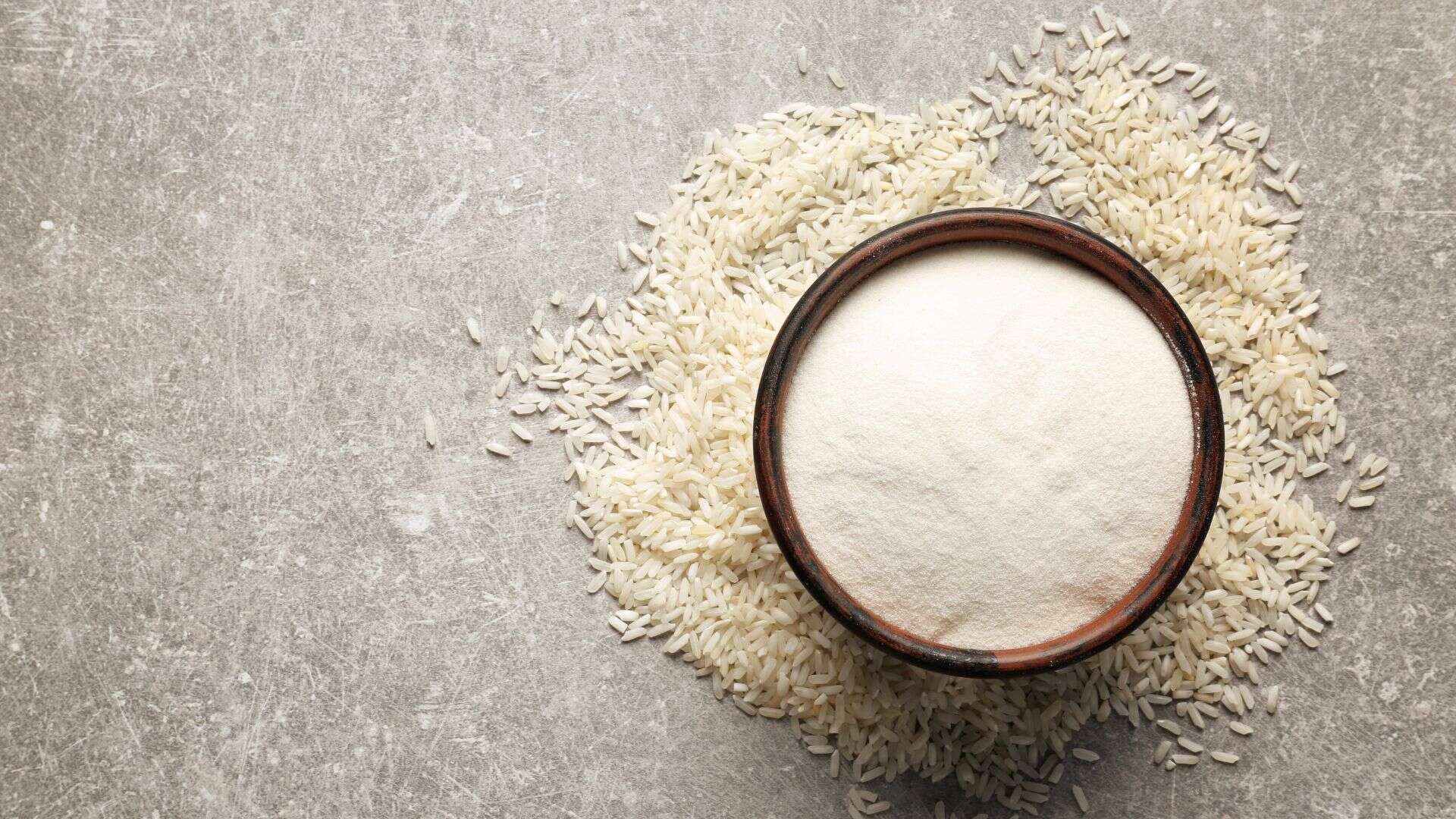
Extracted through gentle, low-temperature enzymatic processes from whole grain brown rice, rice protein powder provides a remarkably high concentration of plant-based protein—typically 80% or higher by weight. Far from being a simple carbohydrate source, whole grain brown rice contains a complete array of essential amino acids that, when processed correctly, yield a smooth, easily digestible, and bioavailable protein concentrate.
Whether you are an endurance athlete striving for optimal post-workout muscle recovery, a busy professional seeking sustained daytime satiety, or someone managing sensitive digestion, incorporating Rice Protein Powder from Impact Foods into your daily diet offers a clean, uncompromised foundation for cellular repair and physical vitality.
In this comprehensive guide, we will unpack the science behind brown rice protein extraction, analyze its amino acid spectrum, examine its muscle-building efficiency compared to whey, explore its hypoallergenic and digestive advantages, and highlight how to pair it with functional adaptogens and organic superfoods available at Yin Yang Superfoods.
1. What Is Rice Protein Powder?
The Gentle Extraction Process
Rice protein powder is derived from whole grain brown rice (Oryza sativa). Unlike mechanical or chemically harsh isolation methods that rely on synthetic solvents or high-heat processing, premium rice protein is produced using a natural, low-temperature enzymatic isolation process.
                  [ Whole Grain Organic Brown Rice ]
                                      │
                                      ▼
             (Soaking & Natural Sprouting / Fermentation)
                                      │
                                      ▼
            [ Natural Enzymatic Separation of Carbs & Protein ]
                                      │
                                      ▼
           [ Gentle Low-Temperature Drying & Micro-Milling ]
                                      │
                                      ▼
            [ 80%+ Pure Hypoallergenic Rice Protein Powder ]
-
Soaking and Germination: Whole brown rice grains are soaked and allowed to sprout or ferment slightly. This natural activation step breaks down anti-nutrients like phytic acid, significantly improving mineral bioavailability and digestive comfort.
-
Enzymatic Separation: Organic, non-GMO enzymes are introduced to break down the carbohydrate (starch) fractions of the grain. The starch is separated, leaving behind the protein-dense membrane and germ layer.
-
Low-Temperature Filtration and Drying: The concentrated protein liquid is filtered, washed, and gently spray-dried at low temperatures. This preserves the delicate structure of essential amino acids, heat-sensitive enzymes, and natural vitamins.
-
Fine Micro-Milling: The resulting dry protein is finely milled into a silky, easily mixable powder containing 80% or more pure plant protein by dry weight.
2. Unpacking the Nutrient Profile: Rice Protein Amino Acid Spectrum
A common misconception in plant-based nutrition is that plant proteins are inherently inferior to animal proteins because they lack essential amino acids. However, modern nutritional science confirms that brown rice protein delivers an outstanding, highly bioavailable amino acid profile.
┌────────────────────────────────────────────────────────────────────────┐
│                   RICE PROTEIN AMINO ACID SPECTRUM                     │
├───────────────────┬───────────────────┬────────────────────────────────┤
│    AMINO ACID     │ CONCENTRATION     │      PHYSIOLOGICAL ROLE        │
├───────────────────┼───────────────────┼────────────────────────────────┤
│ Leucine (BCAA)    │ High (~8% to 9%)  │ Triggers mTOR pathway for muscle│
│                   │                   │ protein synthesis (MPS) [1.1.2]│
├───────────────────┼───────────────────┼────────────────────────────────┤
│ Isoleucine & Valine│ Balanced BCAAs   │ Prevents muscle breakdown &    │
│                   │                   │ supports intra-workout energy  │
├───────────────────┼───────────────────┼────────────────────────────────┤
│ Arginine          │ High Concentration│ Vasodilation catalyst supporting│
│                   │                   │ nitric oxide & blood circulation│
├───────────────────┼───────────────────┼────────────────────────────────┤
│ Glutamic Acid     │ Naturally Abundant│ Supports gut mucosal lining &  │
│                   │                   │ muscle tissue repair           │
└───────────────────┴───────────────────┴────────────────────────────────┘
1. Rich in Branched-Chain Amino Acids (BCAAs)
Branched-Chain Amino Acids—specifically Leucine, Isoleucine, and Valine—are critical for muscle repair, energy production, and post-exercise recovery. Leucine acts as the primary molecular “switch” that triggers the mTOR (mammalian target of rapamycin) metabolic pathway, signaling muscle tissue to repair and build new protein fibers. Rice protein is naturally rich in leucine, containing roughly 8% to 9% leucine by weight—a ratio remarkably close to that of dairy-derived whey protein.
2. High Arginine Content
Arginine is an essential precursor to nitric oxide (NO), a molecule that dilates blood vessels, improves blood flow, and enhances nutrient and oxygen delivery to working muscle tissues. Organic brown rice protein naturally contains significantly higher concentrations of arginine per gram than whey protein, making it an excellent choice for supporting cardiovascular circulation and athletic pump.
3. Naturally Low in Saturated Fat and Sodium
Unlike commercial dairy protein isolates or heavily processed meat products, raw organic brown rice protein powder is naturally low in saturated fats, cholesterol, and excess sodium. It delivers clean macronutrients that align seamlessly with heart-healthy, plant-focused diets.
3. Science-Backed Benefits of Organic Rice Protein Powder
Integrating a pure, hypoallergenic protein isolate into your daily nutrition offers profound physiological advantages over traditional dairy or soy proteins.
1. Hypoallergenic and Easy on Sensitive Digestion
Lactose intolerance affects an estimated 65% to 70% of the adult global population, causing symptoms such as abdominal cramping, gas, bloating, and systemic inflammation when consuming whey or casein. Furthermore, soy and gluten are among the top primary food allergens.
Organic brown rice protein is 100% dairy-free, lactose-free, soy-free, and gluten-free. Because it lacks irritating proteins like casein or alpha-lactalbumin, it digests smoothly without triggering gut distress or water retention.
2. Proven Muscle Building Equivalent to Whey Protein
For years, fitness enthusiasts believed that plant proteins could not match the muscle-building results of dairy whey. However, double-blind clinical studies published in peer-reviewed sports nutrition journals have thoroughly debunked this myth.
In a landmark clinical study comparing the effects of rice protein isolate versus whey protein isolate over 8 weeks of high-intensity resistance training, researchers found no statistically significant difference between the two groups. Both groups experienced identical improvements in:
-
Lean Muscle Mass Gain
-
Upper & Lower Body Strength (Bench Press & Leg Press)
-
Fat Mass Loss & Body Composition Optimization
When consumed in adequate dosages (providing 2 to 3 grams of leucine per serving), rice protein powder triggers muscle protein synthesis just as effectively as whey protein, without the digestive side effects.
3. Sustained Satiety and Weight Management Support
Protein is the most satiating macronutrient, requiring more energy to digest (thermic effect of food) and triggering the release of satiety hormones like peptide YY (PYY) and glucagon-like peptide-1 (GLP-1). Adding a scoop of rice protein powder to morning smoothies, porridge, or baking recipes helps slow gastric emptying, stabilizes blood sugar spikes, and curbs unwanted snack cravings between meals.
4. Kidney-Friendly and Non-Acidifying
Diets overly heavy in animal-derived proteins can place an acid load on the kidneys, requiring the body to draw buffering minerals from bone tissue. Plant-based proteins like brown rice protein produce an alkaline-ash reaction during metabolism, offering a gentle, non-acidifying protein source that supports long-term metabolic balance.
4. Comparing Protein Powders: Rice vs. Whey vs. Pea vs. Soy
| Feature | Rice Protein Powder | Whey Protein Powder | Pea Protein Powder | Soy Protein Powder |
| Source | Whole Grain Brown Rice | Dairy Milk / Cheese Whey | Yellow Split Peas | Soybeans |
| Allergen Risk | Hypoallergenic (Virtually Zero) | High (Lactose & Casein) | Low (Legumes) | High (Soy Allergen) |
| Digestibility | Exceptional (Gentle & Smooth) | Variable (Often causes bloating) | Good (Occasional gas) | Moderate |
| Arginine Profile | Very High | Moderate | High | Moderate |
| Methionine Profile | High | High | Low | Moderate |
| Lysine Profile | Moderate (Pairs great with pea) | High | High | High |
| Taste & Texture | Subtle, smooth, slightly nutty | Creamy, sweet | Earthy, slightly savory | Neutral to chalky |
5. Quality Standards: What to Look For in Organic Rice Protein
Not all plant protein powders are created equal. Because rice crops can absorb trace minerals from agricultural soil and irrigation water, strict quality control and clean sourcing are essential when choosing a product.
When building a comprehensive, nutrient-rich diet, combining clean plant protein with pure, functional superfood powders like those at Yin Yang Superfoods allows you to create a personalized, high-potency daily wellness stack.
When purchasing rice protein powder, insist on these strict quality benchmarks:
-
Certified Organic & Non-GMO: Ensures the rice is grown in clean soil without synthetic pesticides, chemical fertilizers, or genetic modification.
-
Low-Temperature Enzymatic Processing: Guarantees that the protein isolate was processed without chemical solvents (such as hexane) or high heat that denatures delicate amino acids.
-
100% Pure with Zero Synthetic Additives: Free from artificial sweeteners (like sucralose or acesulfame K), artificial flavors, chemical gums, or synthetic thickeners.
-
Rigorously Tested for Heavy Metals: Verified clean of lead, cadmium, arsenic, and mercury under strict food safety and purity standards.
Rice Protein Powder from Impact Foods satisfies all these stringent quality standards, delivering ultra-pure, 100% organic, plant-based protein directly to your blender or shaker cup.
6. How to Use Rice Protein Powder for Maximum Results
Rice protein powder is incredibly versatile in the kitchen thanks to its light texture and subtle, neutral-to-nutty flavor profile.
1. The Ideal Post-Workout Recovery Shake
To maximize muscle protein synthesis and replenish glycogen stores after exercise:
-
Blend 30g (approx. 1 scoop) of Rice Protein Powder from Impact Foods with 300ml of almond milk or coconut water.
-
Add 1 small frozen banana for bioavailable carbohydrates.
-
Mix in 1 teaspoon of organic maca root powder or antioxidant-rich berry powders from Yin Yang Superfoods to support hormonal balance and fight exercise-induced oxidative stress.
-
Drink within 45 minutes after completing your workout.
2. Complementary Plant Blends (The Rice + Pea Protein Combination)
While brown rice protein is exceptionally high in sulfur-containing amino acids (Methionine and Cysteine) and Arginine, it is slightly lower in Lysine. Conversely, pea protein is exceptionally high in Lysine but lower in Methionine. Combining organic rice protein powder with pea protein powder creates a 100% complete protein synergy that mirrors the amino acid ratio of human skeletal muscle tissue.
3. Protein-Enriched Breakfast Baking and Porridge
Because rice protein powder is heat-stable, you can easily stir a scoop into warm morning oats, pancake batters, homemade protein bars, or muffin recipes to boost your breakfast protein content without changing the texture or taste.
Frequently Asked Questions (FAQ)
Is Rice Protein Powder High in Carbohydrates?
No. Although brown rice in its whole food state is a high-carbohydrate grain, the natural enzymatic isolation process removes almost all starches and sugars. Premium organic rice protein powder typically contains less than 1 to 2 grams of carbohydrates per 30g serving, making it suitable for low-carb and keto diets.
Will Rice Protein Powder Cause Bloating or Gas?
Unlike whey protein (which contains lactose) or soy protein (which contains hard-to-digest oligosaccharides), organic brown rice protein is virtually free from common digestive irritants. It is widely considered one of the easiest protein powders to digest.
Can Children and the Elderly Consume Rice Protein Powder?
Yes. Because it is hypoallergenic, free from synthetic hormones, and exceptionally easy on sensitive digestive systems, clean organic rice protein powder is a safe, gentle way for elderly individuals, children, or recovering patients to meet their daily protein requirements.
Elevate Your Fitness and Daily Nutrition
Protein is the fundamental building block of life—vital for muscle repair, immune antibody synthesis, hormone production, skin elasticity, and daily energy. By choosing a clean, hypoallergenic, and bioavailable plant protein like organic brown rice protein, you nourish your body without burdening your digestive system.
Ready to fuel your workouts and elevate your daily nutrition with clean, organic plant power? Try Rice Protein Powder from Impact Foods today, and explore Yin Yang Superfoods for complementary functional adaptogens, superfood powders, and holistic wellness essentials!