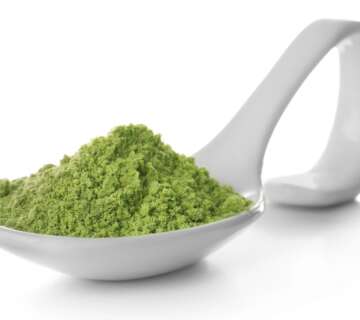

The intricate world of the gut microbiome continues to capture the attention of health enthusiasts and researchers alike, and amidst this growing fascination, wheatgrass powder emerges as a potential ally in cultivating a thriving and balanced gut ecosystem. In this exploration of “Wheatgrass Powder and Gut Health,” we delve into the fascinating relationship between this nutrient-rich superfood and the intricate microbiome that resides within us.
Understanding the Gut Microbiome
The gut microbiome refers to the trillions of microorganisms—mainly bacteria—that inhabit our digestive tract. This complex community plays a crucial role in various bodily functions, from digestion to immune system regulation and even influencing mental health.
Wheatgrass Powder: A Nutrient Boost for Gut-Friendly Bacteria
- Rich in Fiber: Wheatgrass powder is a notable source of dietary fiber, a crucial component for a healthy gut. Fiber acts as a prebiotic, providing nourishment for beneficial bacteria in the colon and supporting overall digestive health.
- Chlorophyll Content: The chlorophyll in wheatgrass, the green pigment responsible for its color, has antioxidant properties that may contribute to a healthier gut environment. Antioxidants combat oxidative stress and inflammation, factors that can influence the balance of gut bacteria.
- Enzymes for Digestive Support: Wheatgrass contains enzymes, such as protease and amylase, which aid in the digestion of proteins and carbohydrates. By supporting efficient digestion, wheatgrass may contribute to a more favorable environment for beneficial gut bacteria.
Potential Impact on Gut Dysbiosis and Inflammation
- Balancing Gut Dysbiosis: Imbalances in the gut microbiome, known as dysbiosis, can contribute to various health issues. The nutrients in wheatgrass powder, including vitamins, minerals, and antioxidants, may play a role in fostering a balanced and diverse microbial community.
- Anti-Inflammatory Properties: Chronic inflammation in the gut is associated with numerous digestive disorders. Wheatgrass’s anti-inflammatory properties may help mitigate inflammation, creating an environment conducive to the flourishing of beneficial bacteria.
Incorporating Wheatgrass into Your Gut-Health Routine
- Wheatgrass Smoothies: Blend wheatgrass powder into smoothies with gut-friendly ingredients like yogurt, bananas, and berries. The combination of fiber and probiotics from yogurt can create a nourishing treat for your microbiome.
- Wheatgrass Shots: For those who prefer a concentrated form, wheatgrass shots can be a quick and potent addition to your routine. Consider incorporating probiotic-rich foods alongside to enhance the synergistic effects.
- Wheatgrass and Fermented Foods: Combine the benefits of wheatgrass with other gut-loving foods like sauerkraut, kimchi, or kombucha. This synergy may create a supportive environment for beneficial bacteria.
Considerations and Precautions
While wheatgrass powder can be a valuable addition to a gut-healthy lifestyle, it’s essential to consider individual tolerances. Some people may experience digestive discomfort, particularly if introducing wheatgrass for the first time. Starting with a small amount and gradually increasing the dosage can help gauge personal tolerance.
Conclusion: Nurturing Your Gut with Wheatgrass
In the intricate landscape of gut health, incorporating wheatgrass powder into your routine may be a proactive step toward cultivating a balanced and thriving microbiome. While more research is needed to fully understand the extent of wheatgrass’s impact on gut health, its nutrient profile suggests promising potential. As with any dietary change, it’s advisable to consult with a healthcare professional, especially for those with pre-existing conditions.
As you explore the world of gut health and superfoods, consider adding a dash of green goodness to your routine with wheatgrass powder—a potentially vibrant and nutrient-packed contributor to the symphony of your gut microbiome.