
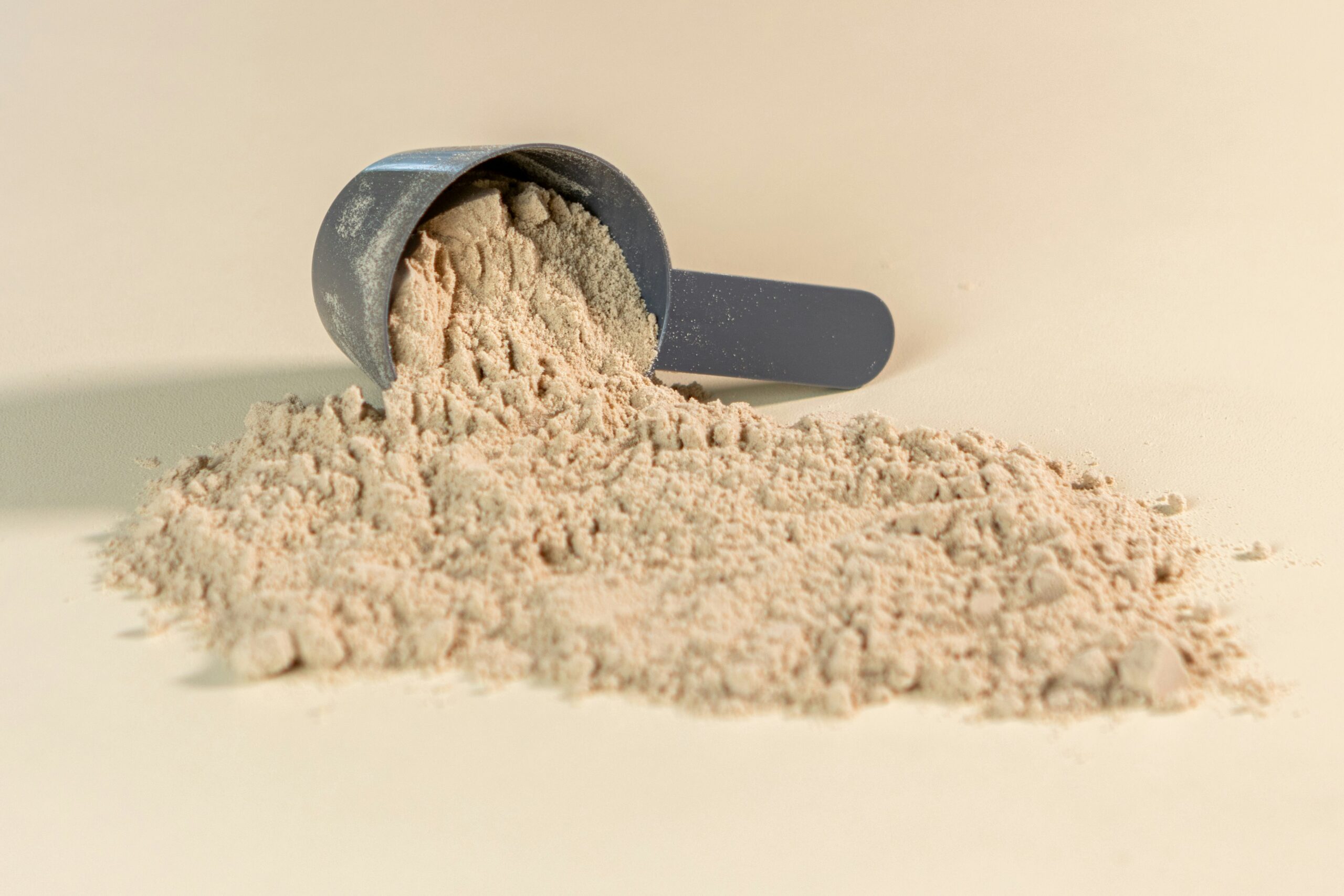
In the rapidly expanding global functional beverage, clean-label gut health, plant-based snack, and natural food formulation sectors, Wholesale Organic Baobab Powder (Adansonia digitata) has emerged as one of the most technically versatile, sustainable, and commercially resilient superfruit ingredients available. Harvested from the iconic, ancient “Tree of Life” native to sub-Saharan Africa, baobab is unique in the botanical world: its fruit dries naturally inside its hard velvet pod while still hanging on the tree, eliminating the need for energy-intensive thermal dehydration, freeze-drying, or chemical preservatives.
For commercial product formulators, beverage manufacturers, industrial bakeries, dietary supplement brands, and wholesale procurement managers, organic baobab fruit powder delivers a rare combination of clinical nutritional density and multi-functional food science performance. Packed with 45% to 50% total dietary fibre (predominantly soluble prebiotic pectin), exceptionally high bioavailable Vitamin C, potassium, and polyphenolic antioxidants, baobab simultaneously acts as a natural thickener, clean-label emulsifier, tangy citrus-like flavour enhancer, and low-glycemic prebiotic booster.
However, commercial procurement directors and quality assurance managers face distinct technical challenges when sourcing bulk baobab powder: verifying wild-harvest traceability and ethical fair-trade supply chains across rural African cooperatives, eliminating seed-fragment grit and woody fibre impurities through precision sieving, controlling moisture levels to prevent caking in humid transit, guaranteeing high Vitamin C retention, and ensuring strict microbiological and mycotoxin safety without chemical irradiation.
This technical buyer’s guide delivers an exhaustive analysis of wholesale organic baobab powder procurement—evaluating wild-harvesting and cold mechanical milling mechanics, biochemical prebiotic pectin and Vitamin C profiles, functional hydrocolloid properties in food formulation, COA auditing criteria, and bulk storage logistics.
1. Agricultural Sourcing & Natural Tree-Drying Mechanics: The Quality Benchmark
Unlike virtually every other commercial fruit powder—which must be harvested wet, pulped, and subjected to costly spray-drying or freeze-drying—baobab fruit undergoes natural dehydration inside its sealed woody shell over a 6-month maturation cycle on the tree.
                  [ Wild-Harvested Organic Adansonia Digitata Pods ]
                  • Ripens and dehydrates naturally on ancient trees
                                       |
                                       v
                  [ Pod Cracking & Mechanical Pulp Separation ]
                  • Separates dry chalky fruit pulp from seeds & red fibres
                                       |
                                       v
       +-------------------------------+-------------------------------+
       v                                                               v
[ Cold Mechanical Milling & Multi-Stage Sieving ]     [ Unrefined / Coarse Field-Milled Biomass ]
- Gentle air-classification yields 80 - 120 mesh      - Contains hard seed fragments & woody fibres
- Preserves heat-sensitive Vitamin C & polyphenols    - Gritty mouthfeel & poor liquid dispersion
- Yields silky, off-white, tangy citrus micro-powder  - High risk of microbial & soil contamination
The Biological Criticality of Mechanical Separation & Precision Sieving
Inside the hard outer shell of the mature baobab pod lies a dry, chalky, off-white fruit pulp surrounding dark seeds and a network of red vascular fibres. Because the fruit pulp arrives at the processing facility already naturally dehydrated (typically at 8% to 11% moisture), the quality of the finished wholesale powder depends entirely on physical separation and milling precision:
-
Zero Thermal Degradation (100% Raw Processing): Because no oven baking, pasteurization tunnels, or spray-drying towers are required to remove water, heat-sensitive nutrients—most notably ascorbic acid (Vitamin C) and delicate procyanidin polyphenols—remain preserved in their native wholefood matrix.
-
Seed & Fibre Decortication: Advanced commercial processors utilize specialized rotary drum separators and pneumatic air classifiers to gently detach the soft fruit pulp from the hard seeds without cracking the seeds open. Crushed seeds release bitter lipids and dark specks that degrade the powder’s colour and shelf life.
-
Ultra-Fine Mesh Standardization (80 to 120 Mesh): Following separation, the pure fruit pulp is finely milled and passed through multi-deck vibrating sieves (80 to 120 mesh) alongside rare-earth magnetic traps and metal detectors. This produces a velvety, free-flowing powder that disperses smoothly in beverages, smoothies, and emulsions without gritty sediment.
2. Chemical Analysis: Soluble Pectin, Vitamin C & Nutritional Specifications
A comprehensive Certificate of Analysis (COA) for wholesale organic baobab powder must detail the complete soluble and insoluble dietary fibre distribution, ascorbic acid concentration, mineral density, moisture thresholds, and physical mesh parameters:
| Chemical / Quality Benchmark | Standard B2B Target Specification | Analytical Testing Method | Primary Biological / Industrial Relevance |
| Total Dietary Fibre | 44.0% – 52.0% (Dry Basis) | AOAC 991.43 Enzymatic Method | High functional fibre driver supporting gut health & satiety |
| Soluble Prebiotic Fibre (Pectin) | 22.0% – 28.0% (Approx. 50% of total fibre) | Gravimetric / Enzymatic Assay | Selective prebiotic fuel & natural hydrocolloid thickener |
| Vitamin C (Ascorbic Acid) | Minimum 150 – 300 mg / 100g | HPLC-UV / Titrimetric Method | Potent water-soluble antioxidant & immune co-factor |
| Potassium (K) | 1,800 – 2,400 mg / 100g | ICP-OES / ICP-MS | Essential electrolyte supporting cardiovascular & fluid balance |
| Total Polyphenols (GAE) | Minimum 1,000 – 1,800 mg / 100g | Folin-Ciocalteu Spectrophotometry | Procyanidins & flavonols defending against oxidative stress |
| Moisture Content | 8.0% – 11.5% | Loss on Drying / Karl Fischer | Inhibits microbial growth & preserves free-flowing texture |
| Particle Size Distribution | 80 – 120 Mesh (Minimum 95% pass rate) | Laser Diffraction / Sieve Analysis | Ensures silky mouthfeel in drinks, yogurts & confectionery |
+------------------------------------------------------------------------+
|                   THE BAOBAB PREBIOTIC PECTIN ADVANTAGE                |
+------------------------------------------------------------------------+
| - Gentle Microbiome Fermentation: Baobab's soluble fibre consists      |
|   largely of low-methoxyl pectin polysaccharides. Unlike short-chain   |
|   fructans (such as FOS or inulin) that ferment rapidly and can cause  |
|   bloating in sensitive consumers, baobab pectin ferments slowly and   |
|   evenly across the colon—supporting Bifidobacteria without distress.  |
+------------------------------------------------------------------------+
For food formulators, beverage developers, and commercial procurement managers seeking high-purity, tangy, nutrient-dense raw fruit powders, review technical specifications at Impact Foods Organic Baobab Powder Bulk Supply.
For retail lifestyle products, organic consumer superfoods, and health-focused pantry staples, explore the full selection at Yin Yang Superfoods.
3. Biochemical Profile: Prebiotic Pectin, Polyphenols & Systemic Health Benefits
Organic baobab powder holds a premier position in clean-label functional nutrition due to its synergistic combination of soluble prebiotic fibres, bioavailable Vitamin C, essential electrolytes, and polyphenolic antioxidants.
                  [ Core Baobab Bioactive Component Analysis ]
                                       |
       +-------------------------------+-------------------------------+
       v                               v                               v
[ Soluble Pectin & Insoluble Fibre ] [ Bioavailable Vitamin C & Polyphenols ] [ Potassium, Calcium & Magnesium ]
  Nourishes Bifidobacteria &        Neutralizes free radicals, boosts    Natural plant electrolytes for
  slows starch digestion rate       iron uptake & supports collagen      hydration & neuromuscular function
1. Microbiome Nourishment & Short-Chain Fatty Acid (SCFA) Production
Nearly half of baobab powder by weight consists of dietary fibre, split roughly 50:50 between soluble pectin and insoluble cellulose/hemicellulose. Clinical in-vitro and human microbiome studies demonstrate that baobab’s soluble pectin acts as a potent selective prebiotic—stimulating the growth of beneficial Bifidobacteria, Lactobacilli, and Akkermansia species while boosting colonic production of protective Short-Chain Fatty Acids (SCFAs) including butyrate, propionate, and acetate.
2. Glycemic Response Modulation & Starch Digestion Control
One of the most commercially valuable clinical properties of baobab powder is its ability to reduce the glycemic impact of carbohydrate-rich foods. Peer-reviewed human clinical trials conducted in the United Kingdom (including research at Oxford Brookes University) have shown that baking baobab powder into white bread or stirring it into water alongside a high-carbohydrate meal significantly reduces starch digestion rate and lowers post-prandial blood glucose and insulin responses—driven by both its viscous pectin fibre and its polyphenol-mediated inhibition of alpha-amylase enzymes.
3. Immune Resilience, Iron Bioavailability & Electrolyte Hydration
Gram for gram, organic baobab powder delivers up to three to five times more Vitamin C than fresh oranges, alongside rich concentrations of potassium, magnesium, and calcium. Vitamin C supports white blood cell function, collagen synthesis, and non-heme iron absorption—making baobab an ideal functional ingredient for natural hydration powders, immunity shots, and plant-based iron supplements.
4. Quality Control & Regulatory Verification in Bulk Procurement
Because baobab pods are wild-harvested across vast rural regions of sub-Saharan Africa, commercial procurement teams must enforce strict analytical testing protocols covering microbiological safety, mycotoxins, heavy metals, physical purity, and ethical wild-harvest certifications.
                                [ B2B VENDOR AUDIT CHECKLIST ]
                                             |
                          +------------------+------------------+
                          v                                     v
            [ Unrefined / Gritty Field Batch ]           [ Certified Organic Sieved Standard ]
            (High moisture >13%, seed grit, dark specks) (Moisture 8-11%, 80-120 mesh, pure cream)
                          |                                     |
                          v                                     v
            - Risk of yeast/mold growth & caking         - Smooth suspension & tangy citrus notes
            - Gritty texture & brown seed contamination  - High soluble pectin & Vitamin C retention
            - Potential mycotoxin or microbial failures  - 100% pure organic batch origin COA
Essential Analytical Testing Protocols
-
Microbiological Control (Non-Irradiated): Because organic standards strictly prohibit gamma or ethylene oxide irradiation, processors must maintain rigorous hygiene during pod cracking and milling. Mandated COA verification confirms Total Viable Count (TVC) maximum 50,000 CFU/g, Yeast and Mold maximum 500 CFU/g, and complete absence of E. coli and Salmonella per 25g.
-
Mycotoxin Screening (HPLC-MS): Confirms Aflatoxins (B1+B2+G1+G2 maximum 4.0 ug/kg) and Ochratoxin A (maximum 5.0 ug/kg) remain well below EU and UK regulatory limits.
-
Heavy Metal Compliance (ICP-MS): Lead (Pb maximum 0.5 mg/kg), Cadmium (Cd maximum 0.5 mg/kg), Mercury (Hg maximum 0.1 mg/kg), Arsenic (As maximum 0.5 mg/kg).
-
Extraneous Matter & Seed Fragment Audit: Sieve residue and microscopic testing verifying zero hard seed shell fragments, sand, or woody vascular fibres.
-
Organic & Ethical Wild-Harvest Traceability: Verifies EU/UK Organic and USDA NOP wild-collection certification, ensuring sustainable pod harvesting that protects ancient baobab ecosystems and provides fair income to rural harvesting communities.
5. Commercial Formulation Applications & Clean-Label Functionality
Beyond its nutritional label claims, organic baobab powder functions as a versatile, multi-purpose food science ingredient across beverages, bakery, dairy alternatives, and confectionery:
+------------------------------------------------------------------------+
|                   COMMERCIAL FORMULATION MATRIX                        |
+------------------------------------------------------------------------+
| 1. Functional Beverages, Hydration Mixes & Smoothies: Adds natural     |
|    citrus-pear tartness, creamy body, electrolytes & prebiotic fibre.  |
| 2. Clean-Label Bakery & Cereal Bars: Acts as a natural moisture-binding|
|    pectin hydrocolloid, extending shelf softness & lowering GI impact. |
| 3. Plant-Based Yogurts, Ice Creams & Sorbet Bases: Stabilizes viscosity|
|    and prevents ice crystal formation without synthetic gums.          |
+------------------------------------------------------------------------+
Technical Formulation Advantages
-
Natural Acidulant & Flavour Enhancer: Baobab’s pleasant, sherbet-like sweet-tart flavour profile (often described as a blend of citrus, pear, and vanilla) naturally balances bitter botanical ingredients such as cacao, matcha, spirulina, moringa, and plant proteins—reducing the need for added citric acid or flavourings.
-
Clean-Label Hydrocolloid & Thickener: Due to its high native pectin content (22% to 28%), baobab thickens liquid matrices and stabilizes fruit fillings, jams, smoothies, and sauces—allowing product developers to replace synthetic gums (such as xanthan or guar gum) with a recognizable wholefood fruit ingredient.
To secure consistent commercial supply, batch-tested raw materials, and technical documentation for your processing facility, order directly through Impact Foods Organic Baobab Powder B2B Wholesale, and inspect consumer nutrition products at Yin Yang Superfoods.
Frequently Asked Questions (FAQ)
What Does Organic Baobab Powder Taste Like in Food and Beverage Formulations?
Organic baobab powder has a clean, refreshing, tangy-sweet citrus flavour profile reminiscent of grapefruit, pear, and subtle vanilla—often compared to natural sherbet. Because it lacks the earthy or grassy taste of green superfood powders, it blends effortlessly into juices, smoothies, yogurts, energy bars, and baked goods while brightening overall fruit flavours.
How Does Baobab Powder Compare to Inulin as a Prebiotic Fibre Ingredient?
Both baobab powder and inulin are rich sources of soluble prebiotic dietary fibre, but they differ in fermentation speed and multi-functionality. Inulin provides roughly 88% to 90% pure fructan fibre with a neutral sweet taste, but rapid colonic fermentation can occasionally cause gas in sensitive individuals. Organic baobab powder delivers 45% to 50% total fibre composed of gentle, slow-fermenting pectin alongside high natural Vitamin C, potassium, and polyphenols—making it both a well-tolerated prebiotic and a flavourful functional fruit ingredient.
What Is the Standard Storage Protocol and Shelf Life of Bulk Organic Baobab Powder?
Because baobab powder is rich in natural pectin and fruit sugars, it is moderately hygroscopic and will absorb ambient moisture if exposed to humid air. Bulk organic baobab powder should be stored in moisture-barrier multi-wall craft bags with heat-sealed polyethylene (PE) liners. Store in cool, dry, climate-controlled warehouse facilities maintained below 20°C and under 60% relative humidity to preserve Vitamin C potency and free-flowing texture for up to 24 months.
Streamline Your Bulk Superfood & Prebiotic Fibre Procurement
Whether you are scaling a clean-label gut health beverage line, formulating low-glycemic bakery products, or developing natural hydration and immunity blends, sourcing certified organic, precision-sieved baobab powder delivers multi-functional hydrocolloid performance, high Vitamin C density, and full regulatory compliance.
Ready to partner with an established B2B supply chain? Request product spec sheets, batch COAs, and wholesale quotes directly through Impact Foods Organic Baobab Powder B2B Wholesale, and explore consumer nutrition lines at Yin Yang Superfoods!