
Organic Coconut Nectar: The Ultimate UK Guide to Nature’s Low-GI Natural Sweetener
In an era where health-conscious consumers, artisan bakers, and plant-based food innovators across the United Kingdom are actively seeking to eliminate refined sugars and high-fructose corn syrups from their diets, one extraordinary liquid sweetener has risen to premier status: Organic Coconut Nectar.
Derived directly from the nutrient-rich sap of the coconut palm blossom, coconut nectar is far more than a simple liquid sweetener. It is an unrefined, minimally processed, mineral-dense whole food that delivers a rich, caramel-like flavor alongside an impressive array of bioactive compounds, amino acids, trace minerals, and prebiotic soluble fiber.
Unlike refined white sugar—which provides empty calories that trigger severe blood glucose spikes, insulin resistance, and cellular inflammation—coconut nectar provides a gentle, sustained energy release. With a low Glycemic Index (GI), it has quickly become a kitchen essential for vegan cooking, functional food production, healthy baking, and daily beverage sweetening across the UK.
In this ultimate UK guide to coconut nectar, we will break down how coconut nectar is sustainably harvested and crafted, examine its rich nutritional profile, explore its top science-backed health benefits, compare it against traditional sweeteners like maple syrup and honey, and show you how to incorporate it seamlessly into your daily recipes and commercial food formulations.
1. What Is Coconut Nectar? Sourcing, Harvest, and Production
The Botany of the Coconut Blossom
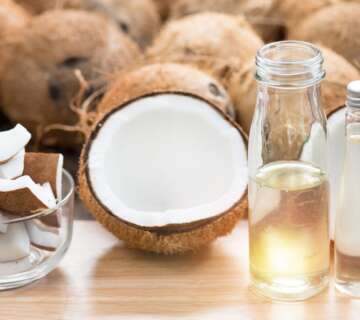
Coconut nectar is produced from the liquid sap of the coconut palm tree (Cocos nucifera). Contrary to popular belief, coconut nectar is not made from the water or flesh of the coconut fruit itself. Instead, skilled harvesters climb the tall coconut palms to collect the sweet, mineral-rich liquid that flows from the unopened flower buds (inflorescence) of the tree.
                      [ Unopened Coconut Palm Blossom ]
                                      │
                                      ▼
                        (Tapped & Sliced by Hand)
                                      │
                                      ▼
                      [ Raw, Nutrient-Rich Sap Flow ]
                                      │
                                      ▼
             (Gentle, Low-Temperature Evaporation & Evaporation)
                                      │
                                      ▼
       ┌──────────────────────────────┴──────────────────────────────┐
       ▼                                                             ▼
[ Organic Liquid Coconut Nectar ]                  [ Crystallized Coconut Sugar ]
  Rich syrup; retains maximum live                   Dehydrated further into granular
  enzymes, minerals & prebiotic fiber                golden crystals for dry baking
The Artisanal Evaporation Process
Once the raw sap is collected in bamboo containers, it must be processed promptly to prevent natural fermentation. The raw liquid sap undergoes a gentle, low-temperature evaporation process:
-
Filtration: The raw sap is filtered to remove natural debris.
-
Low-Heat Evaporation: The liquid is gently warmed at low temperatures to evaporate excess moisture without destroying heat-sensitive vitamins, live enzymes, or delicate polyphenols.
-
Thickening: As the water content reduces, the clear sap transforms into a golden, viscous, caramel-toned syrup—Pure Coconut Nectar.
Because this process avoids intense industrial refining, chemical bleaching, or high-heat processing, the resulting liquid syrup retains its natural dark color, complex flavor notes, and biological integrity.
2. Comprehensive Nutritional Profile: Why Coconut Nectar Outperforms Refined Sugar
When evaluating liquid sweeteners, nutritional value goes far beyond mere calorie counts. The biological value of coconut nectar lies in its rich spectrum of micronutrients, organic acids, and fiber.
┌────────────────────────────────────────────────────────────────────────┐
│                   COCONUT NECTAR NUTRITIONAL PROFILE                   │
├───────────────────┬───────────────────┬────────────────────────────────┤
│ NUTRIENT          │ SPECIFICATION     │ HEALTH & FUNCTIONAL BENEFIT    │
├───────────────────┼───────────────────┼────────────────────────────────┤
│ Glycemic Index    │ Low (Approx. 35)  │ Prevents blood sugar spikes    │
│ (GI Rating)       │                   │ and supports steady energy     │
├───────────────────┼───────────────────┼────────────────────────────────┤
│ Prebiotic Fiber   │ Rich in Inulin    │ Feeds beneficial gut microbiota│
│                   │                   │ and slows glucose absorption   │
├───────────────────┼───────────────────┼────────────────────────────────┤
│ Trace Minerals    │ Potassium, Zinc,  │ Restores electrolyte balance   │
│                   │ Magnesium, Iron   │ and supports metabolic health  │
├───────────────────┼───────────────────┼────────────────────────────────┤
│ Amino Acids       │ 17 Amino Acids    │ Building blocks for protein    │
│                   │ (High Glutamic)   │ synthesis and cellular repair  │
├───────────────────┼───────────────────┼────────────────────────────────┤
│ B-Complex         │ Rich in B1, B2,   │ Essential cofactors for        │
│ Vitamins          │ B3, B6, & Vitamin C│ cellular energy metabolism     │
└───────────────────┴───────────────────┴────────────────────────────────┘
Unlike refined white sucrose, which offers zero micronutrients, pure coconut nectar provides:
-
Inulin Fiber: A specialized prebiotic soluble fiber that slows carbohydrate absorption in the gut.
-
Essential Minerals: Potassium, zinc, magnesium, calcium, iron, and sodium in balanced ionic ratios.
-
B-Complex Vitamins: Naturally occurring B vitamins that act as essential cofactors in energy metabolism.
-
Polyphenols & Antioxidants: Bioactive compounds that combat oxidative stress and cellular aging.
3. Top Science-Backed Health Benefits of Organic Coconut Nectar
Transitioning from refined sweeteners to unrefined organic coconut nectar offers multiple systemic health advantages for individuals and families across the UK.
┌────────────────────────────────────────────────────────────────────────┐
│                     COCONUT NECTAR BIO-MECHANICS                       │
├───────────────────┬───────────────────┬────────────────────────────────┤
│ BIOACTIVE TARGET  │ ACTION MECHANISM  │ PHYSIOLOGICAL RESULT           │
├───────────────────┼───────────────────┼────────────────────────────────┤
│ Inulin Prebiotic  │ Slows gastric     │ Smooth, sustained glucose curve;│
│ Fiber Matrix      │ emptying & sugar  │ eliminates energy crashes      │
│                   │ transport         │                                │
├───────────────────┼───────────────────┼────────────────────────────────┤
│ Gut Microbiome    │ Ferments into Short-│ Strengthens gut barrier integrity│
│ Support           │ Chain Fatty Acids │ and supports metabolic wellness│
│                   │ (SCFAs)           │                                │
├───────────────────┼───────────────────┼────────────────────────────────┤
│ Ionic Potassium   │ Regulates cellular│ Balances sodium levels &       │
│ & Magnesium       │ hydration & fluid │ supports nervous system health │
│                   │ dynamics          │                                │
└───────────────────┴───────────────────┴────────────────────────────────┘
1. Low Glycemic Index for Stable Blood Sugar Control
One of the most compelling reasons health professionals recommend coconut nectar is its low Glycemic Index (GI) rating of approximately 35. By comparison, refined white sugar has a GI rating around 65 to 70, while high-fructose corn syrup can exceed 80.
When you consume high-GI foods, glucose enters the bloodstream rapidly, causing a sharp spike in blood sugar followed by an overproduction of insulin. This triggers a sudden energy crash, leaving you feeling tired, irritable, and craving more sugar. The combination of natural sucrose, complex carbohydrates, and inulin fiber in coconut nectar ensures a slow, sustained release of glucose into the bloodstream, providing stable physical and mental energy.
2. Nourishes the Gut Microbiome with Prebiotic Inulin
Gut health plays a central role in human digestion, immunity, mood, and skin health. Coconut nectar contains significant amounts of Inulin, a non-digestible prebiotic soluble fiber.
Inulin passes through the upper digestive tract intact until it reaches the large intestine, where it acts as food for beneficial probiotics like Bifidobacteria and Lactobacilli. As these friendly bacteria ferment inulin, they produce Short-Chain Fatty Acids (SCFAs) like butyrate, which help nourish the intestinal wall, reduce gut inflammation, and support immune resilience.
3. Rich in Essential Trace Minerals and Electrolytes
Refined sugars leach valuable minerals from the human body during digestion. In contrast, unrefined coconut nectar delivers a rich blend of plant-derived minerals. It is particularly high in Potassium, an essential electrolyte that helps regulate blood pressure, balance cellular fluids, and support healthy muscle contractions.
4. Contains 17 Vital Amino Acids for Metabolic Support
Unprocessed coconut palm sap contains 17 out of the 20 amino acids required by the human body, with particularly high levels of Glutamic Acid. Glutamic acid plays a vital role in neurotransmitter synthesis, supporting brain function, mental focus, and gut lining integrity.
4. Coconut Nectar vs. Other Sweeteners: How Does It Compare?
With so many liquid sweeteners available—agave syrup, maple syrup, honey, and refined golden syrup—how does organic coconut nectar stand out?
┌────────────────────────────────────────────────────────────────────────┐
│                   SWEETENER COMPARISON MATRIX                          │
├───────────────────┬───────────────────┬────────────────────────────────┤
│ SWEETENER         │ GLYCEMIC INDEX    │ NUTRITIONAL & PROCESSING VALUE │
├───────────────────┼───────────────────┼────────────────────────────────┤
│ Organic Coconut   │ **Low (~35)**     │ **High:** Unrefined, low-heat; │
│ Nectar            │                   │ rich in minerals, inulin fiber,│
│                   │                   │ and amino acids.               │
├───────────────────┼───────────────────┼────────────────────────────────┤
│ Pure Maple Syrup  │ Medium (~54)      │ Good: Rich in manganese and    │
│                   │                   │ antioxidants, but contains no  │
│                   │                   │ prebiotic inulin fiber.        │
├───────────────────┼───────────────────┼────────────────────────────────┤
│ Agave Nectar      │ Low (~15–30)      │ **Poor:** Heavily processed;   │
│                   │                   │ contains up to 85% isolated    │
│                   │                   │ fructose, linked to fatty liver│
├───────────────────┼───────────────────┼────────────────────────────────┤
│ Raw Honey         │ Medium (~58)      │ Good: Contains enzymes and     │
│                   │                   │ anti-microbials, but is not    │
│                   │                   │ vegan-friendly.                │
├───────────────────┼───────────────────┼────────────────────────────────┤
│ Refined White     │ High (~65–70)     │ **Zero:** Industrially stripped│
│ Sugar             │                   │ empty calories; triggers blood │
│                   │                   │ sugar spikes.                  │
└───────────────────┴───────────────────┴────────────────────────────────┘
Why Coconut Nectar Beats Agave Syrup
Many consumers previously turned to agave syrup as a low-GI sweetener. However, clinical nutritionists now urge caution regarding agave. Modern commercial agave syrup undergoes high-heat chemical processing that converts its carbohydrates into up to 85% isolated fructose. High intakes of free fructose are processed directly by the liver, contributing to non-alcoholic fatty liver disease, high triglycerides, and insulin resistance.
Coconut nectar, on the other hand, contains a balanced natural ratio of glucose, sucrose, and complex carbohydrates alongside prebiotic fiber, making it a far safer and healthier choice for daily use.
5. Culinary Uses: How to Cook and Bake with Coconut Nectar
One of the best attributes of organic coconut nectar is its culinary versatility. It has a rich, warm, caramel-toffee flavor with a subtle tang—it does not taste heavily like coconut, making it suitable for both sweet and savory dishes.
                  [ Organic Coconut Nectar Culinary Uses ]
                                     │
         ┌───────────────────────────┼───────────────────────────┐
         ▼                           ▼                           ▼
[ Sweet Baking & Desserts ]  [ Savory Glazes & Sauces ]  [ Daily Drinks & Breakfast ]
  1:1 liquid swap for          Replaces honey or brown     Drizzle over porridge,
  maple syrup or honey;        sugar in teriyaki, BBQ,     pancakes, acai bowls,
  adds moist texture           and salad dressings         or stir into coffee/tea
1. Daily Beverage Sweetener
-
Coffee & Tea: Stir a teaspoon of coconut nectar into warm coffee, matcha, or herbal tea for a smooth caramel sweetness that blends effortlessly.
-
Smoothies & Shakes: Blend into green smoothies or protein shakes to balance bitter greens without spiking your blood sugar.
2. Breakfast Drizzles
-
Porridge & Oats: Drizzle over warm morning porridge, overnight oats, or chia seed pudding alongside fresh berries and seeds.
-
Pancakes & Waffles: Use as a direct 1:1 replacement for high-fructose maple syrup or golden syrup over vegan pancakes and waffles.
3. Savory Cooking, Sauces, and Marinades
-
Asian Glazes & Stir-Fries: Blend with tamari, minced ginger, and garlic to create a rich glaze for tofu, tempeh, or roasted vegetables.
-
Salad Dressings: Whisk alongside cold-pressed olive oil, apple cider vinegar, and Dijon mustard for a balanced vinaigrette.
6. Sourcing & Quality Standards: Commercial Bulk & Retail Sourcing in the UK
Whether you are an artisan baker, a functional food manufacturer, or a health-conscious consumer, sourcing pure, ethically produced, certified organic coconut nectar is essential.
Why Quality Standards Matter
When purchasing coconut nectar, look for products that strictly guarantee:
-
100% Certified Organic: Grown without synthetic pesticides, chemical fertilizers, or GMOs.
-
Zero Additives or Dilution: Free from added cane sugar, corn syrup, artificial preservatives, or synthetic colorings.
-
Sustainably Tapped: Harvested by traditional farming cooperatives using ethical, fair-trade practices that protect coconut palm ecosystems.
For food businesses, health brands, bakeries, and industrial food manufacturers across the UK seeking high-grade, ethically sourced, bulk organic ingredients, source premium Organic Coconut Nectar in Bulk from Impact Foods. Impact Foods provides certified organic ingredients, full traceability, and reliable distribution across the UK and Europe.
To explore premium plant-based supplements, superfood blends, functional gummies, and health products for your daily routine, visit Yin Yang Superfoods!
Frequently Asked Questions (FAQ)
Does Coconut Nectar Taste Like Coconut?
No! Coconut nectar is harvested from the sap of the palm blossom rather than the coconut fruit. It features a rich, deep, caramel-toffee flavor profile with a subtle buttery finish, making it a versatile sweetener for any dish.
Can Diabetics Use Coconut Nectar?
Coconut nectar has a low Glycemic Index (~35), meaning it causes a much slower blood sugar rise than refined sugar or honey. However, because it still contains natural carbohydrates, individuals managing diabetes should monitor their overall carbohydrate intake and consult their healthcare provider.
How Should I Store Organic Coconut Nectar?
Keep your jar or bottle of coconut nectar in a cool, dry place out of direct sunlight. Because of its low moisture content and natural stability, it does not require refrigeration after opening and maintains its liquid viscosity at room temperature.
Embrace Clean, Natural Sweetness Today
Upgrading your kitchen cupboard or commercial food production with Organic Coconut Nectar allows you to enjoy rich caramel sweetness while nourishing your body with prebiotic fiber, vital minerals, and steady energy.
Ready to elevate your food recipes or source sustainable bulk ingredients for your brand? Order premium Organic Coconut Nectar from Impact Foods today, and explore natural wellness solutions and functional supplements at Yin Yang Superfoods!