Bulk Plant Protein Powders: The Ultimate UK Guide to Organic Wholesale, Sourcing, and B2B Nutrition Manufacturing
Across the United Kingdom and Europe, the functional food, sports nutrition, and plant-based wellness sectors are experiencing unprecedented growth. Driven by shifting consumer values, environmental consciousness, and a growing emphasis on health, millions of consumers are replacing animal-derived proteins with clean, sustainable, plant-based alternatives.
Whether you are formulating a new line of sports nutrition supplements, crafting artisanal protein bars, launching functional vegan snacks, or managing a high-volume food manufacturing business, securing high-quality plant-based protein powders is fundamental to your brand’s success.
However, navigating the global wholesale protein market presents significant challenges. Modern B2B buyers must carefully manage complex trade-offs: balancing raw protein concentration, amino acid profiles, protein digestibility, texture, solubility, allergen compliance, and organic certification.
In this ultimate UK B2B guide, we will break down the science of plant proteins, evaluate key plant protein sources (pea, hemp, rice, soy, and seed blends), examine industrial manufacturing and processing standards, analyze key supply chain quality metrics, and show you how to source certified wholesale ingredients for your commercial product line.
1. The Plant-Based Shift: Driving Factors in the UK Market
The Science of Plant Protein Demand
Protein is an essential macronutrient required for muscle protein synthesis (MPS), cellular repair, enzyme production, immune defence, and hormonal balance. Historically, commercial sports nutrition relied heavily on dairy-derived proteins like whey concentrate, whey isolate, and casein.
                   [ Plant-Based Protein Shift Drivers ]
                                     │
         ┌───────────────────────────┼───────────────────────────┐
         ▼                           ▼                           ▼
[ Environmental Sustainability ] [ Health & Allergen Safety ] [ Dietary & Ethical Trends ]
  Lower carbon footprint,         Lactose-free, dairy-free,     Growing vegan, vegetarian,
  reduced land & water usage      hypoallergenic profiles       & flexitarian populations
Today, consumer preferences are shifting rapidly toward plant-derived alternatives due to several key factors:
-
Allergen and Digestibility Advantages: Dairy proteins frequently cause gastrointestinal distress, bloating, and allergic reactions in individuals with lactose intolerance or milk protein sensitivities. Plant proteins offer clean, hypoallergenic profiles that digest smoothly.
-
Environmental Sustainability: Producing plant protein generates a fraction of the greenhouse gas emissions, land degradation, and water consumption associated with industrial dairy farming.
-
Dietary Inclusivity: Plant-based proteins naturally align with vegan, vegetarian, flexitarian, kosher, and halal lifestyle requirements, expanding your product’s potential market reach.
2. Comprehensive Comparison: Evaluating Key Wholesale Plant Protein Sources
To engineer successful functional foods, sports powders, or nutritional snacks, food technologists and product formulators must select the optimal protein base. Each plant source delivers distinct functional properties, solubility profiles, and nutritional characteristics.
┌────────────────────────────────────────────────────────────────────────┐
│                   WHOLESALE PLANT PROTEIN COMPARISON                   │
├───────────────┬───────────────┬───────────────────┬────────────────────┤
│ PROTEIN SOURCE│ PROTEIN CONC. │ AMINO ACID PROFILE│ FUNCTIONAL BEST FOR│
├───────────────┼───────────────┼───────────────────┼────────────────────┤
│ Organic Pea   │ 80% – 85%     │ High Lysine &     │ Smoothies, protein │
│ Protein       │               │ BCAAs; low Meth.  │ bars, meat analogs │
├───────────────┼───────────────┼───────────────────┼────────────────────┤
│ Organic Brown │ 80% – 90%     │ High Methionine;  │ Blending with pea  │
│ Rice Protein  │               │ lower Lysine      │ for complete PDCAAS│
├───────────────┼───────────────┼───────────────────┼────────────────────┤
│ Organic Hemp  │ 50% – 70%     │ Complete profile; │ Wholefood shakes,  │
│ Protein       │               │ high fiber & O-3  │ nutritional bars   │
├───────────────┼───────────────┼───────────────────┼────────────────────┤
│ Organic Pumpkin│ 60% – 70%     │ Rich in Zinc,     │ Nutritious baking, │
│ Seed Protein  │               │ Magnesium & BCAAs │ savory functional  │
└───────────────┴───────────────┴───────────────────┴────────────────────┘
1. Organic Pea Protein Concentrate & Isolate (80%–85% Protein)
Extracted from yellow split peas (Pisum sativum), pea protein has emerged as the premier workhorse of the plant-based protein industry.
-
Nutritional Highlights: Rich in Branched-Chain Amino Acids (BCAAs)—leucine, isoleucine, and valine—as well as L-arginine and lysine.
-
Functional Properties: Excellent emulsification, high solubility, neutral flavor profile, and smooth mouthfeel. It provides structure and moisture retention in baked goods, protein bars, and meat alternatives.
2. Organic Brown Rice Protein Concentrate (80%–90% Protein)
Produced through gentle enzymatic extraction of whole grain sprouted brown rice (Oryza sativa).
-
Nutritional Highlights: Exceptionally rich in sulfur-containing amino acids (methionine and cysteine), making it the ideal nutritional counterpart to pea protein.
-
Functional Properties: Hypoallergenic, smooth, and easily digestible. Combining organic pea protein and organic brown rice protein in a 70:30 ratio creates a complete amino acid profile comparable to dairy whey protein.
3. Organic Hemp Seed Protein Powder (50%–70% Protein)
Milled from raw hemp seeds (Cannabis sativa), hemp protein is a wholefood powerhouse favored by clean-label wellness brands.
-
Nutritional Highlights: Contains all 9 essential amino acids alongside rich concentrations of edestin and albumin proteins, essential fatty acids (Omega-3 and Omega-6), and natural dietary fiber.
-
Functional Properties: Nutty, earthy flavor profile that works well in rustic wholefood blends, meal replacements, and nutrition bars.
4. Organic Pumpkin & Sunflower Seed Proteins (60%–70% Protein)
Cold-pressed and finely milled from nutrient-dense seeds, these specialized proteins deliver unique functional and micronutrient profiles.
-
Nutritional Highlights: High concentrations of magnesium, zinc, iron, and tryptophan.
-
Functional Properties: Mild, pleasant taste and green-to-golden hues that enhance specialty baking, savory mixes, and botanical blends.
3. Amino Acid Profiles and Protein Quality Metrics
When formulating commercial nutrition products, understanding protein quality metrics ensures your final product delivers real physiological value to end consumers.
┌────────────────────────────────────────────────────────────────────────┐
│                   PLANT PROTEIN BIO-MECHANICS CHART                    │
├───────────────────┬───────────────────┬────────────────────────────────┤
│ BIOACTIVE TARGET  │ ACTION MECHANISM  │ PHYSIOLOGICAL RESULT           │
├───────────────────┼───────────────────┼────────────────────────────────┤
│ Leucine / BCAA    │ Triggers mTOR pathway│ Stimulates Muscle Protein      │
│ Concentration     │ in muscle cells   │ Synthesis (MPS) & muscle repair│
├───────────────────┼───────────────────┼────────────────────────────────┤
│ Complementary     │ Blending Pea      │ Achieves a complete PDCAAS /   │
│ Amino Acid Blends │ (Lysine) & Rice   │ DIAAS score comparable to whey │
│                   │ (Methionine)      │                                │
├───────────────────┼───────────────────┼────────────────────────────────┤
│ Prebiotic Fiber & │ Supports intestinal│ Easy digestion with zero       │
│ Natural Enzymes   │ microbiota & gut  │ stomach bloating or distress   │
│                   │ wall integrity    │                                │
└───────────────────┴───────────────────┴────────────────────────────────┘
Understanding PDCAAS and DIAAS
Product developers evaluate protein quality using two primary international standards:
-
PDCAAS (Protein Digestibility-Corrected Amino Acid Score): Measures protein quality based on human amino acid requirements and overall gut digestibility.
-
DIAAS (Digestible Indispensable Amino Acid Score): The modern FAO gold standard, which measures individual amino acid digestibility at the end of the small intestine (ileum).
While single plant proteins may have limiting amino acids (for example, legumes are low in methionine, while grains are lower in lysine), blending complementary plant sources (such as pea and rice) creates a complete protein profile with a PDCAAS score of 1.0.
4. Key Considerations for B2B Product Development & Manufacturing
Sourcing plant protein powders for commercial manufacturing requires attention to specific technical properties to ensure smooth processing and consistent final product quality:
                  [ B2B Manufacturing Considerations ]
                                     │
         ┌───────────────────────────┼───────────────────────────┐
         ▼                           ▼                           ▼
[ Mesh Size & Particle Flow ]  [ Hydration & Viscosity ]  [ Flavor Profiling ]
  Fine 100-200 mesh powders      Controls foam, thickness,  Eliminates earthy tones;
  ensure smooth blending         and shelf-life stability    maintains clean taste
-
Mesh Size and Particle Distribution: Ultra-fine milling (typically 100 to 200 mesh) ensures fast liquid dispersion without gritty textures, which is essential for RTD (Ready-To-Drink) beverages and instant smoothie mixes.
-
Bulk Density and Powder Flowability: Consistent bulk density is critical for high-speed automated packaging, capsule filling, and tub packing lines, helping prevent machinery clogging and weight variation.
-
Organoleptic Neutrality: High-grade cold-extraction techniques preserve protein structure while removing harsh, earthy, or bitter off-flavors, reducing the need for artificial masking agents.
5. Quality Assurance, Certifications, and UK Supply Chain Compliance
To succeed in the competitive UK and European wellness markets, your brand must guarantee uncompromising ingredient purity, full supply chain traceability, and regulatory compliance.
Essential Quality Standards to Verify
When auditing wholesale ingredient suppliers, ensure they provide comprehensive documentation for every batch:
-
Certified Organic (Soil Association / EU Organic): Guarantees zero synthetic pesticides, chemical fertilizers, or GMO contamination.
-
BRCGS / IFS Food Safety Certification: Confirms that ingredients are processed under strict global food safety and hygienic standards.
-
Allergen Control & Gluten-Free Validation: Rigorous cross-contamination protocols for dairy, soy, gluten, and nut allergens.
-
Third-Party Heavy Metal & Microbiological Testing: Comprehensive Certificates of Analysis (CoA) verifying safe levels of lead, cadmium, mercury, arsenic, E. coli, Salmonella, and mold.
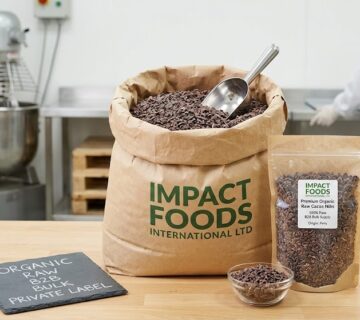
For food manufacturers, sports brands, health kitchens, and commercial formulators across the UK seeking high-grade organic plant proteins, explore wholesale options through Impact Foods’ Bulk Plant Protein Collection. Impact Foods delivers certified organic plant proteins, full supply chain traceability, and reliable B2B distribution across the UK and Europe.
To explore consumer-ready plant-based supplements, superfood formulas, functional gummies, and health products for your daily routine, visit Yin Yang Superfoods.
Frequently Asked Questions (FAQ)
What Is the Difference Between Protein Concentrates and Protein Isolates?
Protein concentrates typically contain 50% to 75% protein, retaining more of the natural dietary fiber, healthy fats, and minerals from the original plant material. Protein isolates undergo further filtration to yield 80% to 90%+ protein, removing most fats and carbohydrates to produce a clean, highly concentrated powder for sports performance products.
Can Plant Protein Powders Match Dairy Whey for Muscle Building?
Yes! Clinical studies demonstrate that when taken in adequate amounts (such as a 25g to 30g dose delivering roughly 2.5g to 3.0g of leucine), organic plant protein blends stimulate muscle protein synthesis as effectively as dairy whey protein, without causing digestive discomfort or lactose-related bloating.
How Should Bulk Plant Protein Powders Be Stored?
Bulk plant proteins should be stored in a cool, dry warehouse environment below 20°C (68°F), away from direct sunlight and moisture. When sealed in food-grade, moisture-barrier multi-wall bags, high-quality plant proteins maintain a shelf life of 18 to 24 months.
Power Your Plant-Based Product Formulations Today
Delivering exceptional plant-based nutrition products requires high-purity, sustainably sourced, and scientifically backed wholesale ingredients. Partnering with a trusted supplier guarantees that your formulas feature optimal amino acid profiles, clean solubility, and full regulatory compliance.
Ready to formulate premium functional foods or expand your sports nutrition line? Source certified wholesale ingredients through Impact Foods’ Bulk Plant Protein Collection today, and discover consumer wellness formulas at Yin Yang Superfoods!