Pea Protein Powder: The Ultimate UK Guide to Plant-Based Muscle Building, Digestion, and Nutrition
Across the United Kingdom, a fundamental shift is occurring in how fitness enthusiasts, athletes, busy professionals, and health-conscious families approach daily protein intake. For decades, the sports nutrition market was dominated almost exclusively by dairy-derived proteins like whey and casein. However, as awareness around digestive wellness, lactose intolerance, dietary sensitivities, and sustainable food choices continues to grow, plant-based nutrition has moved firmly into the mainstream.
At the forefront of this green nutritional movement is Pea Protein Powder.
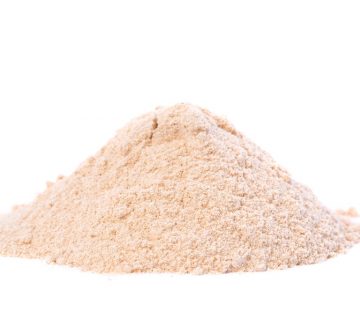
Extracted from high-purity yellow split peas (Pisum sativum), pea protein has quickly established itself as one of the most complete, hypoallergenic, and environmentally sustainable plant proteins available on the market today. Offering an exceptional amino acid profile rich in Branched-Chain Amino Acids (BCAAs), outstanding bio-digestibility, and remarkable versatility in everyday recipes, pea protein is no longer just an alternative for vegans—it is a premier choice for anyone looking to build muscle, manage weight, and optimize long-term health.
In this ultimate UK guide, we will explore the science of pea protein extraction, dissect its complete amino acid breakdown, compare its performance directly against whey and soy, examine its health and digestive benefits, and demonstrate how to seamlessly incorporate high-quality plant protein into your daily routine.
1. What Is Pea Protein Powder? From Field to Functional Superfood
The Botany of the Yellow Split Pea
Contrary to what many assume, pea protein powder is not made from sweet green garden peas. Instead, it is crafted from yellow split peas (Pisum sativum), a nutrient-dense legume naturally abundant in complex carbohydrates, dietary fiber, trace minerals, and high-quality vegetable protein.
                  [ Harvested Harvest Yellow Split Peas ]
                                     │
                                     ▼
                (De-husking, Steeping & Gentle Water Milling)
                                     │
                                     ▼
                  [ Mechanical Separation of Starch & Fiber ]
                                     │
                                     ▼
                  [ Concentration & Gentle Micro-Filtration ]
                                     │
                                     ▼
    ┌────────────────────────────────┴────────────────────────────────┐
    ▼                                                                 ▼
[ Pea Protein Isolate (80%–85% Pure Protein) ]     [ Raw Pea Starch & Fiber Fractions ]
  Naturally hypoallergenic, free from dairy,         Repurposed for sustainable,
  soy, gluten, and chemical solvents                zero-waste food manufacturing
The Separation Process: Clean, Solvent-Free Isolation
To create high-purity pea protein isolate, yellow split peas undergo a clean, water-based mechanical separation process. The outer husks are removed, and the seeds are milled into a fine flour. Using pure water—without harsh chemical solvents, hexane, or synthetic bleaching agents—the protein is separated from the natural starches and soluble fibers.
The resulting micro-filtered liquid is gently dried into a smooth, neutral-tasting powder containing 80% to 85% pure, bioavailable protein per serving. Because the heavy starches and oligosaccharides (the complex sugars that can cause gas in raw legumes) are filtered out, pea protein isolate is remarkably gentle on the human digestive system.
2. The Science of Protein Quality: Amino Acid Profile and Bioavailability
When evaluating any protein source, two primary criteria matter: its Amino Acid Profile (specifically essential amino acids) and its Digestibility.
┌────────────────────────────────────────────────────────────────────────┐
│                   PEA PROTEIN AMINO ACID BREAKDOWN                     │
├───────────────────┬───────────────────┬────────────────────────────────┤
│ AMINO ACID        │ CATEGORY          │ PHYSIOLOGICAL & MUSCLE ROLE    │
├───────────────────┼───────────────────┼────────────────────────────────┤
│ Leucine           │ BCAA              │ Triggers Muscle Protein        │
│                   │ (Essential)       │ Synthesis (mTOR activation)    │
├───────────────────┼───────────────────┼────────────────────────────────┤
│ Isoleucine        │ BCAA              │ Supports cellular glucose      │
│                   │ (Essential)       │ uptake & workout endurance     │
├───────────────────┼───────────────────┼────────────────────────────────┤
│ Valine            │ BCAA              │ Prevents muscle breakdown &    │
│                   │ (Essential)       │ aids tissue repair             │
├───────────────────┼───────────────────┼────────────────────────────────┤
│ Arginine          │ Semi-Essential    │ Precursor to Nitric Oxide (NO);│
│                   │                   │ expands blood vessels & flow   │
├───────────────────┼───────────────────┼────────────────────────────────┤
│ Lysine            │ Essential         │ Supports collagen synthesis,   │
│                   │                   │ bone density & immune function │
├───────────────────┼───────────────────┼────────────────────────────────┤
│ Glutamic Acid     │ Non-Essential     │ Fuel source for intestinal     │
│ (Glutamine)       │                   │ lining & brain neurotransmission│
└───────────────────┴───────────────────┴────────────────────────────────┘
1. Rich in Branched-Chain Amino Acids (BCAAs)
Branched-Chain Amino Acids—Leucine, Isoleucine, and Valine—are essential nutrients that the human body cannot synthesize on its own. Leucine, in particular, acts as the primary molecular trigger for Muscle Protein Synthesis (MPS) via the mTOR pathway. High-grade pea protein isolate provides a BCAA density rivaling that of dairy whey, making it an effective tool for post-workout recovery and lean muscle repair.
2. An Outstanding Source of L-Arginine
Pea protein boasts an exceptionally high concentration of L-Arginine, an amino acid crucial for athletic performance and cardiovascular health. Arginine is the direct biological precursor to Nitric Oxide (NO), a gaseous compound that signals vascular smooth muscle to relax. This vasodilation improves blood flow, enhances nutrient delivery to working muscle tissues, and supports healthy blood pressure. In fact, pea protein contains significantly higher levels of L-Arginine per serving than whey protein isolate.
3. High Digestibility (PDCAAS Rating)
Pea protein isolate achieves a Protein Digestibility-Corrected Amino Acid Score (PDCAAS) close to 1.0 (the maximum possible score). Because the water-extraction process removes anti-nutritional factors like lectins, phytates, and trypsin inhibitors found in whole legumes, the protein is absorbed and utilized efficiently by body tissues.
3. Top Science-Backed Health Benefits of Pea Protein Powder
Whether your goal is athletic recovery, healthy weight management, or simply reaching your daily protein targets without digestive discomfort, pea protein delivers broad health benefits:
┌────────────────────────────────────────────────────────────────────────┐
│                      PEA PROTEIN HEALTH MECHANICS                      │
├───────────────────┼───────────────────┼────────────────────────────────┤
│ TARGET AREA       │ ACTION MECHANISM  │ PHYSIOLOGICAL RESULT           │
├───────────────────┼───────────────────┼────────────────────────────────┤
│ Muscle Hypertrophy│ High Leucine      │ Stimulates muscle repair &     │
│ & Recovery        │ content triggers  │ lean mass gains equivalent to  │
│                   │ mTOR synthesis    │ dairy whey                     │
├───────────────────┼───────────────────┼────────────────────────────────┤
│ Appetite Control  │ Stimulates PYY &  │ Increases satiety, reduces     │
│ & Weight Management│ CCK gut hormone   │ cravings & stabilizes insulin  │
│                   │ release           │ response                       │
├───────────────────┼───────────────────┼────────────────────────────────┤
│ Gastrointestinal  │ 100% Lactose &    │ Zero bloating, gas, or stomach │
│ Comfort           │ Allergen-Free     │ distress commonly associated   │
│                   │                   │ with whey                      │
└───────────────────┴───────────────────┴────────────────────────────────┘
1. Equivalent Muscle Building to Whey Protein
For years, a myth persisted that plant proteins were inferior to animal proteins for building lean muscle mass. However, modern double-blind clinical trials have debunked this assumption.
A landmark study published in the Journal of the International Society of Sports Nutrition compared the effects of pea protein versus whey protein during an 8-week resistance training program. The results demonstrated no statistically significant difference in muscle thickness or strength gains between participants consuming pea protein and those consuming whey protein.
2. Hypoallergenic and Easy on the Stomach
Dairy-derived whey protein concentrates contain lactose and milk proteins (casein/lactalbumin), which frequently cause bloating, digestive cramps, acne flare-ups, and gas in lactose-sensitive individuals. Similarly, soy protein can trigger responses in those sensitive to phytoestrogens or soy allergens.
Pea protein is naturally free from all major top-8 food allergens:
-
Dairy-Free & Lactose-Free
-
Gluten-Free
-
Soy-Free
-
Nut-Free & Seed-Free
-
Non-GMO
3. Promotes Satiety and Weight Management
Protein is the most satiating macronutrient, requiring more energy to digest than carbohydrates or fats (known as the Thermic Effect of Food, or TEF). Pea protein stimulates the secretion of gut satiety hormones, including Peptide YY (PYY) and Cholecystokinin (CCK), which signal fullness to the brain. Incorporating pea protein into morning smoothies or afternoon snacks helps curb appetite, balance blood sugar, and support healthy body composition goals.
4. Pea Protein vs. Whey Protein vs. Soy Protein: A Head-to-Head Comparison
To help you make an informed choice for your diet, let us compare the three most popular protein powders on the UK market:
┌────────────────────────────────────────────────────────────────────────┐
│                   PROTEIN SOURCE COMPARISON MATRIX                     │
├───────────────────┬───────────────────┬───────────────────┬────────────┤
│ FEATURE           │ PEA PROTEIN       │ WHEY PROTEIN      │ SOY PROTEIN│
├───────────────────┼───────────────────┼───────────────────┼────────────┤
│ Plant-Based       │ Yes (100% Vegan)  │ No (Dairy-Derived)│ Yes        │
├───────────────────┼───────────────────┼───────────────────┼────────────┤
│ Common Allergens  │ None (Hypoallergenic) Dairy / Lactose  │ Soy        │
├───────────────────┼───────────────────┼────────────────---┼────────────┤
│ Arginine Content  │ High (~8.7%)      │ Moderate (~2.3%)  │ High (~7.6%)│
├───────────────────┼───────────────────┼───────────────────┼────────────┤
│ Digestibility     │ Easy (No Bloating)│ Can cause gas     │ Variable   │
├───────────────────┼───────────────────┼───────────────────┼────────────┤
│ Environmental     │ Low (Fixes Nitrogen│ High (Dairy       │ Medium-High│
│ Impact            │ in Soil)          │ Emissions)        │ (Land-Use) │
└───────────────────┴───────────────────┴───────────────────┴────────────┘
5. How to Use Pea Protein Powder: Culinary Versatility
While traditional whey protein can become stringy or rubbery when heated, pea protein possesses unique functional qualities that make it an exceptional culinary ingredient. Its smooth solubility and mild savory profile allow it to blend seamlessly into both sweet and savory recipes.
                  [ Daily Culinary Pea Protein Applications ]
                                       │
         ┌─────────────────────────────┼─────────────────────────────┐
         ▼                             ▼                             ▼
[ Functional Drinks & Shakes ]   [ Nutrient-Dense Bakes ]      [ Savory Soups & Sauces ]
  Blend with plant milk, frozen    Fold into protein pancakes,   Whisk into warm lentil
  berries, banana & superfoods     oatmeal, muffins & bars       soups, curries & stews
Delicious Ideas for Daily Use:
-
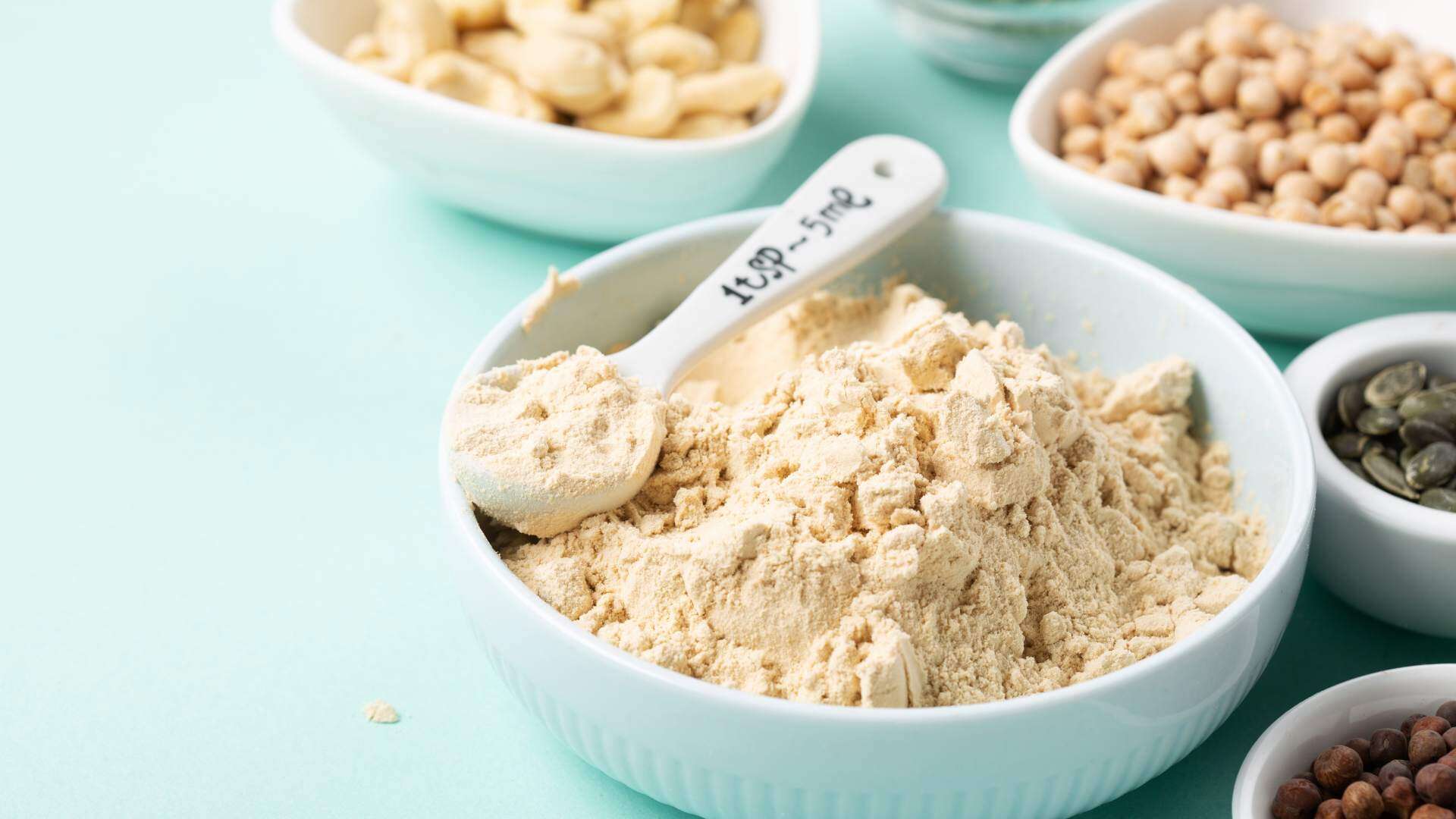
The Classic Post-Workout Shake: Shake 1 scoop (approx. 30g) of pea protein powder into 300ml of cold plant milk (such as oat, almond, or coconut milk).
-
Protein-Enriched Morning Porridge: Stir a scoop of pea protein into hot rolled oats after cooking. Top with chia seeds, raw nuts, and fresh berries.
-
Flourless Protein Pancakes: Blend pea protein powder with a ripe banana, rolled oats, a dash of baking powder, and plant milk for a high-protein breakfast batter.
-
Savory Soup Fortifier: Whisk unflavored pea protein into warm vegetable soups, lentil curries, or stews to dramatically increase protein density without altering the dish’s flavor balance.
To boost your daily fitness and wellness routine with clean, premium plant nutrition, source high-purity Pea Protein Powder directly from Impact Foods. Their formula provides a clean, smooth, non-GMO plant protein isolate ideal for daily shakes, baking, and functional food production.
For additional whole-food superfoods, organic adaptogens, high-potency berry powders, and natural lifestyle supplements to pair alongside your protein routine, explore the wellness collection at Yin Yang Superfoods.
6. Environmental Sustainability: The Planet-Friendly Protein Choice
Beyond its health advantages, yellow split pea cultivation is significantly kinder to the environment than industrial dairy production or large-scale livestock farming.
┌────────────────────────────────────────────────────────────────────────┐
│                   ENVIRONMENTAL IMPACT METRICS                         │
├───────────────────┬───────────────────┬────────────────────────────────┤
│ METRIC            │ PEA PROTEIN       │ DAIRY WHEY PROTEIN             │
├───────────────────┼───────────────────┼────────────────────────────────┤
│ Water Footprint   │ Ultra-Low (Rain-fed│ High (Requires extensive crop  │
│                   │ legume crops)     │ irrigation & cattle hydration) │
├───────────────────┼───────────────────┼────────────────────────────────┤
│ Carbon Footprint  │ Minimal CO2       │ High Methane & CO2 greenhouse  │
│                   │ emissions         │ gas emissions                  │
├───────────────────┼───────────────────┼────────────────────────────────┤
│ Soil Health       │ Regenerative      │ Nitrogen-depleting farming     │
│ Impact            │ (Fixes atmospheric│ practices                      │
│                   │ nitrogen naturally│                                │
└───────────────────┴───────────────────┴────────────────────────────────┘
Legumes like yellow split peas are natural nitrogen-fixing plants. Through a symbiotic relationship with beneficial soil bacteria (Rhizobium), pea plants capture nitrogen directly from the atmosphere and convert it into rich soil nutrients. This eliminates the need for synthetic chemical fertilizers, enriches agricultural land naturally, and preserves surrounding ecosystems.
Frequently Asked Questions (FAQ)
Is Pea Protein a Complete Protein?
Pea protein contains all nine essential amino acids that the human body cannot produce independently. While it is naturally slightly lower in methionine, this is easily balanced by eating a normal, varied diet throughout the day (or pairing it with grain proteins like brown rice or oat protein).
Will Pea Protein Powder Cause Stomach Bloating?
No! Unlike dairy-based whey proteins that contain lactose, or whole legumes that contain complex oligosaccharide fibers, pure pea protein isolate has these compound fractions filtered out during water processing. It is exceptionally gentle on sensitive digestive tracts.
How Should I Store My Pea Protein Powder in the UK?
Keep your pea protein powder sealed tightly in its original pouch or a clean, airtight container. Store it in a cool, dry place away from heat, direct sunlight, and moisture to preserve its peak freshness and shelf life.
Transform Your Daily Protein Routine Today
Upgrading your workout nutrition with clean, hypoallergenic Pea Protein Powder allows you to support muscle growth, promote healthy satiety, and protect your digestive health while making a sustainable choice for the environment.
Ready to experience clean plant-based muscle recovery and pure daily nutrition? Order pure Pea Protein Powder from Impact Foods today, and complete your superfood routine with organic adaptogens and wellness essentials at Yin Yang Superfoods!